
Chimney Insulation
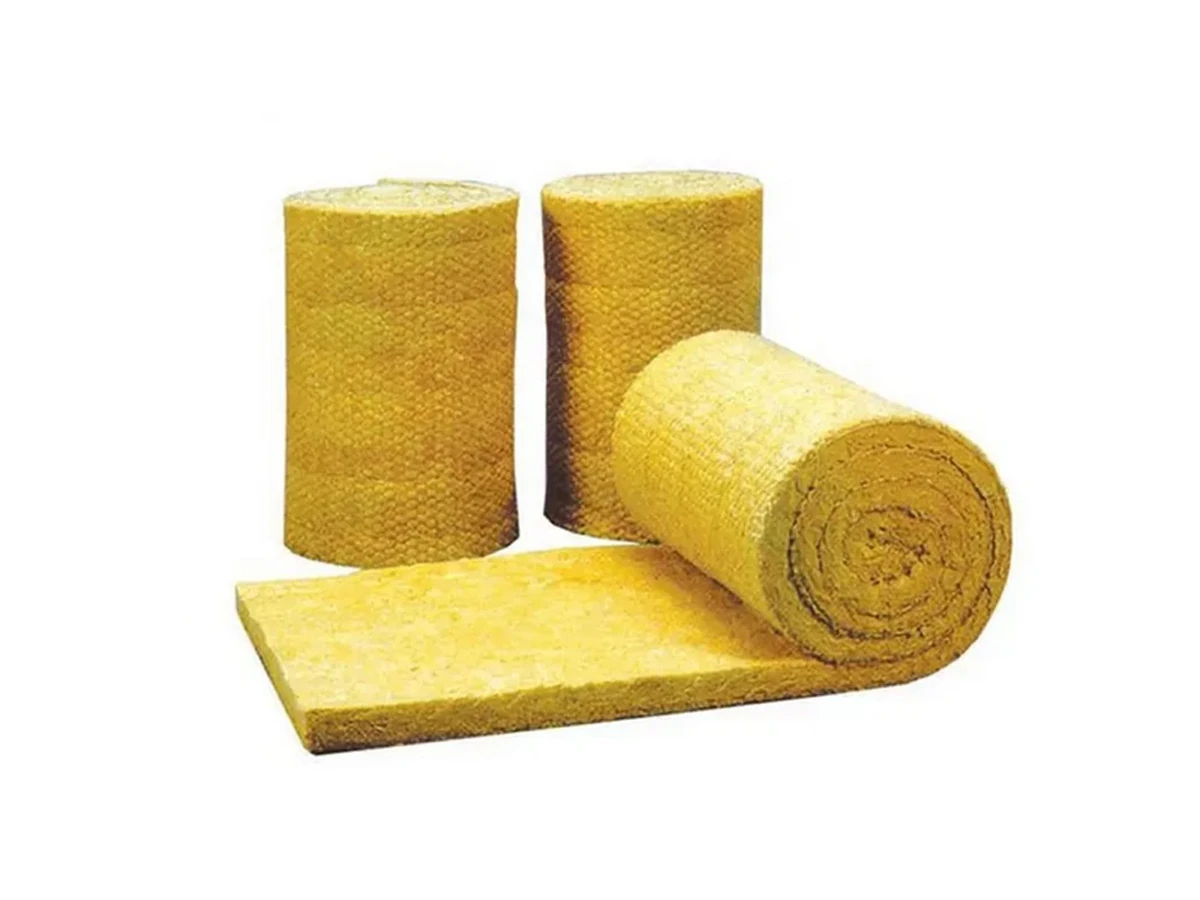
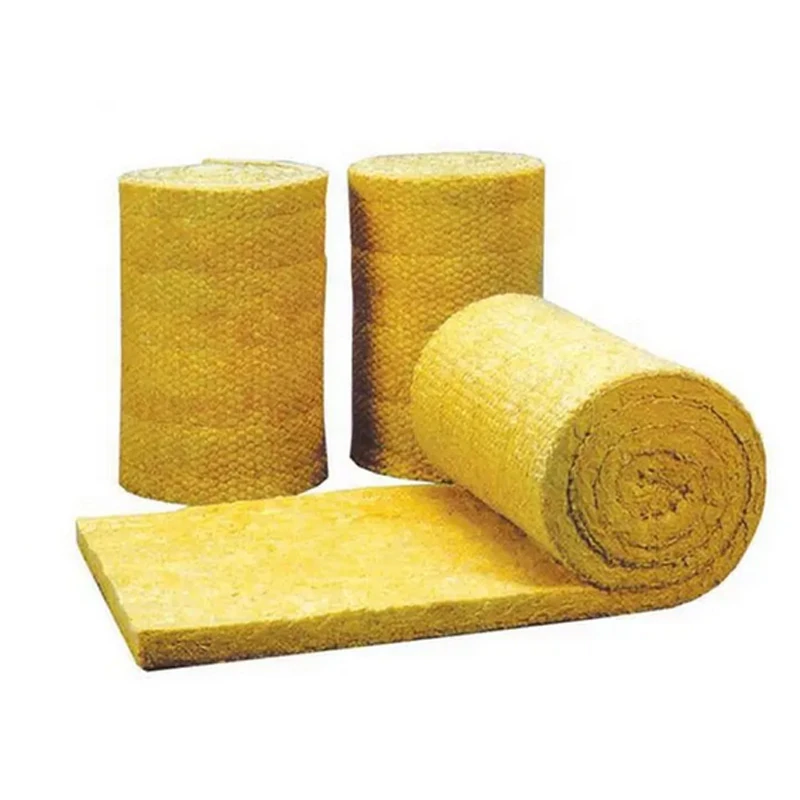
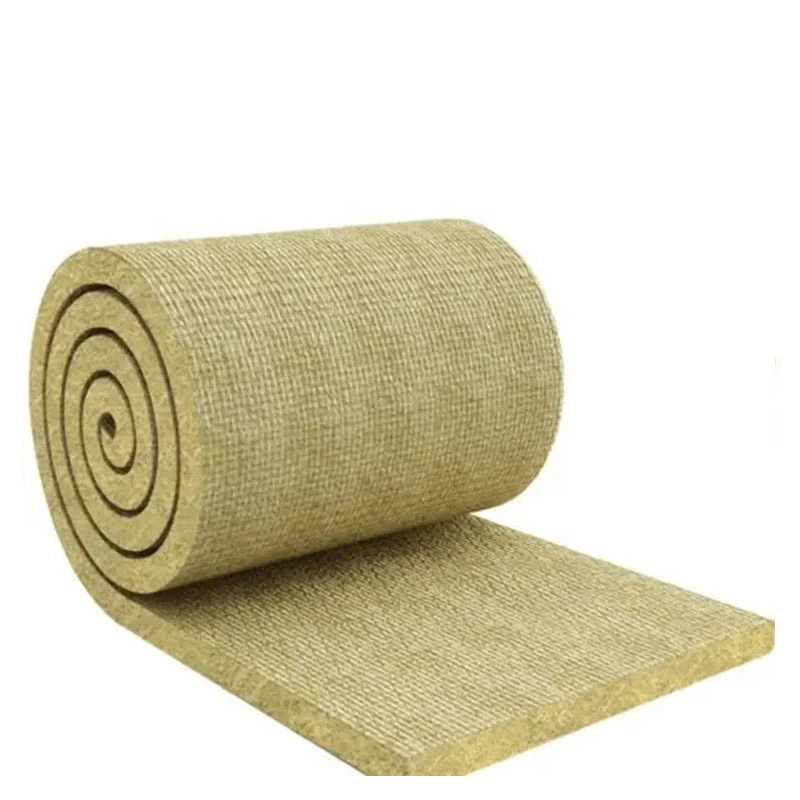
Industrial chimney insulation generally starts with rock wool blankets on metal stacks and high-temperature flues where external insulation is permitted. Wire mesh blankets are a first option for large cylindrical shells; plain blankets can suit curved areas with independent fixings; rock wool boards may suit compatible flat transitions or equipment housings where suitable support is provided. Different parts of a chimney may require different product forms.
Insulvora supplies these three forms for chimney insulation on compatible industrial systems. The appropriate grade and thickness depend on actual material exposure, shell construction, dimensions, thermal targets, and installation conditions.

Chimney Construction and Insulation Selection
Industrial steel stacks, masonry chimneys, and prefabricated double-wall systems do not share the same insulation requirements. External rock wool can be considered on steel shells where the design permits it. Masonry and proprietary or certified chimney systems must follow their original insulation, clearance, and installation requirements; adding rock wool does not change those requirements.
For chimney insulation, material grade must be selected against the temperature experienced by the insulation itself. Normal operating temperature, maximum design temperature, and the metal surface temperature at the insulation interface are not interchangeable. Flue-gas temperature alone does not establish the rock wool's continuous service temperature. A high-temperature grade is needed when a standard grade cannot cover actual material exposure, not merely because the gas is hot.
Diameter, curvature, vertical runs, and the available fixing arrangement govern how material can be fitted and held in place. Insulation thickness should follow the required heat-loss or outer-surface-temperature target and project conditions, rather than diameter alone.
Rock Wool Product Forms for Chimney Insulation
| Product form | Typical application | Available product range |
|---|---|---|
| Wire Mesh Rock Wool Blanket | Large-diameter cylindrical shells, curved areas needing mesh reinforcement, and irregular industrial surfaces | 30–100 mm thick; galvanized wire mesh reinforcement; standard and high-temperature grades rated up to 600°C and 750°C, respectively |
| Rock Wool Blanket | Cylindrical shells and other curved surfaces with suitable independent fixing | 25–200 mm thick; flexible blanket; standard and high-temperature grades rated up to 600°C and 750°C, respectively |
| Rock Wool Board | Supported flat transitions, equipment housings, and other compatible flat surfaces | 30–150 mm thick; rigid board form; maximum service temperature 600°C |
Fixing, Support, and Temperature Limits
On tall vertical shells, blankets must follow the curve and remain secure between fixings without leaving open joints. Galvanized mesh reinforces the blanket during wrapping and fixing, but does not replace mechanical fixings, supports, or weather cladding. Plain blankets require independent fixings that maintain their position and control joint gaps. The practical distinction lies in how each blanket is supported, not simply in its flexibility.
Rock wool boards require suitable flat support. Higher material density alone does not establish a higher service-temperature rating.
For chimney insulation projects, the listed temperatures apply to specified grades, not to every product variant or to the chimney system as a whole. Check the actual continuous service conditions before selecting a grade. See High Temperature Insulation Materials for related options.
For regular round flue connections, preformed rock wool pipe sections may be suitable where both dimensions and temperatures fall within their available range. See Exhaust & Flue Pipe Insulation.
Weather Protection, Thermal Movement, and Connections
Thermal Movement and Supports
Steel stacks expand and contract as temperatures change. The insulation and cladding must accommodate the designed movement: rigidly bridging an expansion joint may compress insulation, shift joints, or deform cladding.
On tall vertical runs, fixings must retain the insulation without restraining shell movement. Allow space for cladding and structural supports, and keep connections and inspection openings accessible while avoiding unnecessary gaps or compression.
Outdoor Cladding and Rainwater
For outdoor chimney insulation, vertical cladding laps, seams, and penetrations at supports should limit rainwater entry under the expected exposure conditions.
Neither rock wool nor wire mesh is a waterproof exterior. Water entering the insulation can reduce thermal performance, while persistent moisture may increase corrosion risk at the steel shell. Cladding connections must also allow movement and maintenance.
Wall and Roof Penetrations and Fire Clearances
Maintain the specified clearances and penetration details where the chimney passes through walls or roofs or approaches combustible construction.
Rock wool service-temperature ratings, material fire classifications, and whole-system fire performance are different measures. Adding rock wool does not permit reduced clearances or replace approved penetration details. See Rock Wool Fire Rating for material classifications and testing.
Chimney Insulation Project Inquiry
Share the chimney construction, operating and maximum design temperatures, shell dimensions, thermal targets, and cladding requirements. Insulvora can review these project details to identify appropriate rock wool forms, confirm available grades and specifications, discuss the product configuration, and prepare a quotation.