
Industrial Tank Insulation
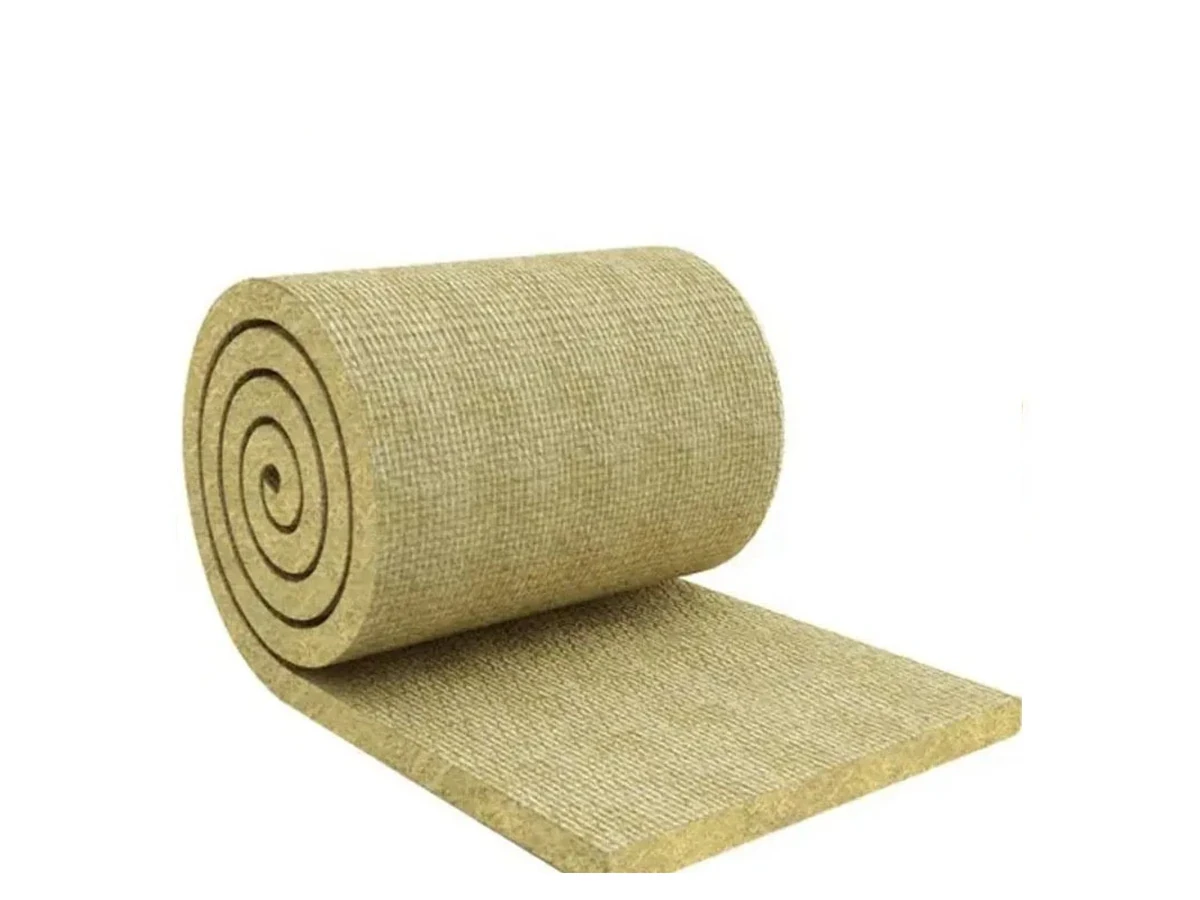
Industrial tank insulation intended to reduce heat loss or control external surface temperature should be selected according to operating temperature, shell curvature, roof construction, and fixing conditions. Flexible rock wool blankets are generally the starting option for large cylindrical shells. Wire mesh rock wool blankets suit curved or irregular areas needing additional retention, while rock wool boards can be used on flat or gently curved surfaces with adequate support. Cold-service tanks, particularly those requiring vapor control, need a separate material and system assessment rather than the hot-service approach outlined here.
Insulvora supplies all three rock wool forms for these applications. The final system must coordinate insulation thickness, fixings, protective cladding, and details at connections to maintain coverage during service and maintenance.

Product Forms and Supply Ranges for Tank Areas
The appropriate form varies across tank shells, roofs, and local fittings. The following ranges describe Insulvora's product supply options for industrial tank insulation.
| Product | Application and supply range |
|---|---|
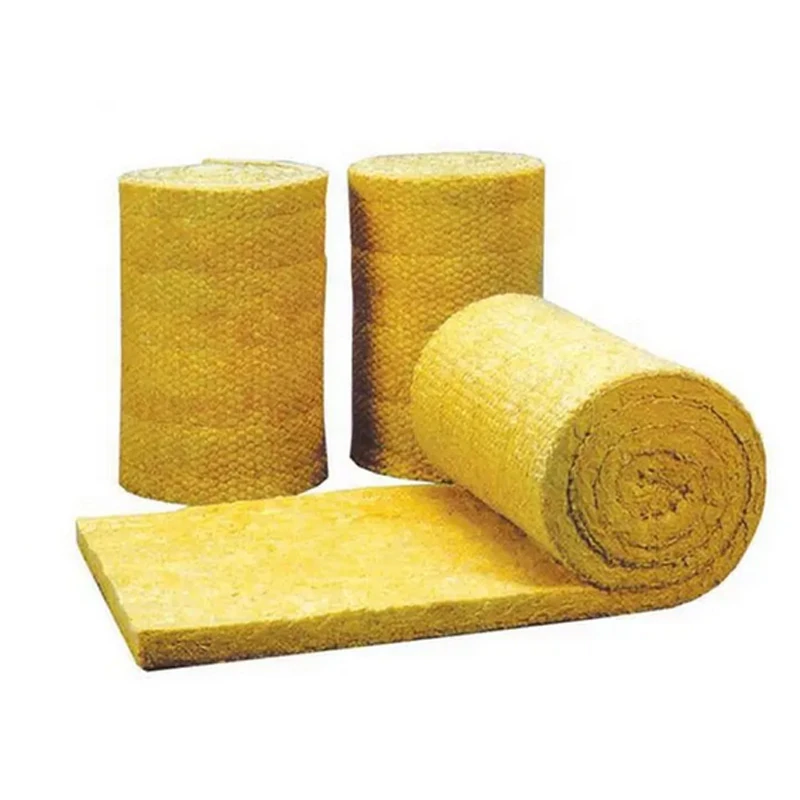
| Rock Wool Blanket | Large cylindrical shells and continuous curves. 25–200 mm thickness, 0.6–1.2 m width; laid around the shell and secured beneath suitable outer protection. |
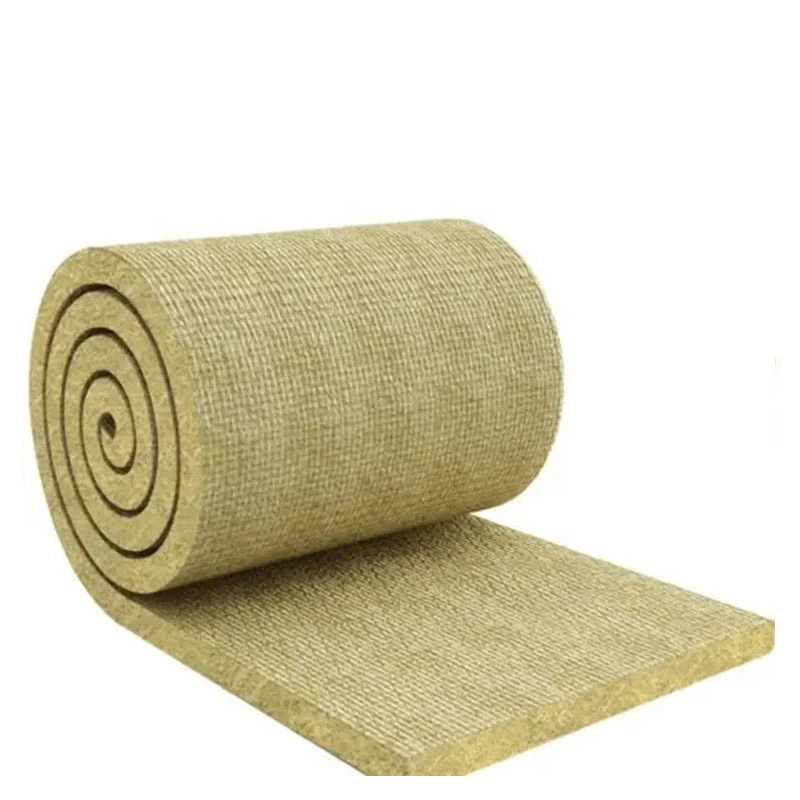
| Wire Mesh Rock Wool Blanket | Curved or irregular areas requiring extra retention. 30–100 mm thickness; galvanized wire mesh reinforces the flexible layer during fitting and fixing. |
| Rock Wool Board | Flat or gently curved areas with adequate support. 30–150 mm thickness, standard 1.2 × 0.6 m boards; use depends on roof geometry and fixing arrangements. |
Changes in curvature and projecting components may require extra retention. The mesh supports a flexible blanket but does not replace system fixings or weather protection. Rigid boards on strongly curved roofs may not sit flush, creating open joints or voids unless suitable support and detailing are provided. Where different product forms meet, maintain insulation thickness and continuity at the joints.
Conditions Affecting the Final Specification
Operating Temperature and Product Grade
Normal operating and maximum design temperatures determine the suitable product grade. Insulvora offers rock wool blanket and wire mesh rock wool blanket grades with maximum service temperatures of 600°C and 750°C; the listed maximum for rock wool board is 600°C. These values apply to specific grades, not every configuration. At elevated temperatures, both the insulation and adjacent fixings must suit the exposure. See High Temperature Insulation Materials for further material considerations.
Tank Geometry and Fixing Conditions
Tank diameter, shell height, and roof curvature affect installation direction, restraint, and joint layout. Even when flexible blankets follow broad curves, large areas still need adequate support to prevent sagging, movement, or gaps during service. Tank height or fitting count alone does not determine whether wire mesh reinforcement is required; consider the local geometry and fixing arrangement together.
Insulation Thickness and Thermal Requirements
The required thickness for industrial tank insulation depends on operating temperature, ambient conditions, and heat-loss or surface-temperature targets. The product thickness ranges above indicate supply availability, not a universal design recommendation. In multilayer systems, staggered joints and appropriate fixings help avoid through-joints and incomplete coverage. Greater thickness also affects supports and outer cladding. See Rock Wool Thickness for available thickness options.
Weather Protection, Fittings, and Maintenance Access
Outdoor industrial tank insulation requires cladding against rain and mechanical exposure. Roof-to-shell junctions, cladding laps, and penetrations need suitable drainage and sealing. Water entering the insulation can increase heat loss and contribute to corrosion beneath the covering; rock wool alone is not a waterproof system.
Nozzles, platform connections, support penetrations, and other attachments interrupt the shell. Their insulation must be cut and secured to fit the local geometry rather than simply repeat the main shell arrangement. Fasteners and nearby components must withstand the temperatures to which they are exposed.
Manholes, inspection openings, and other service points need access without unnecessary removal of surrounding insulation. After maintenance, reinstate insulation and cladding to restore continuous coverage.
Project Confirmation and Quotation
For an industrial tank insulation quotation, provide operating and maximum design temperatures, tank dimensions and roof configuration, thermal requirements or specified thickness, and details of exposure, fittings, and maintenance access. Insulvora can review these conditions to confirm suitable rock wool forms, available sizes, and supply options for shells, roofs, and special areas, then prepare a project quotation.