
Mineral Wool Insulation Cost: Pricing, Material Quantities & Fiberglass Comparison
Mineral wool insulation cost varies with product form, thickness, density, grade and order quantity. For comparable quotations, check pricing units and required quantities.
Insulvora supplies rock wool boards, blankets, wire-mesh blankets and pipe sections for building and industrial projects, along with fiberglass products for suitable applications. We prepare quotations against the requested product specification, order volume and delivery terms.
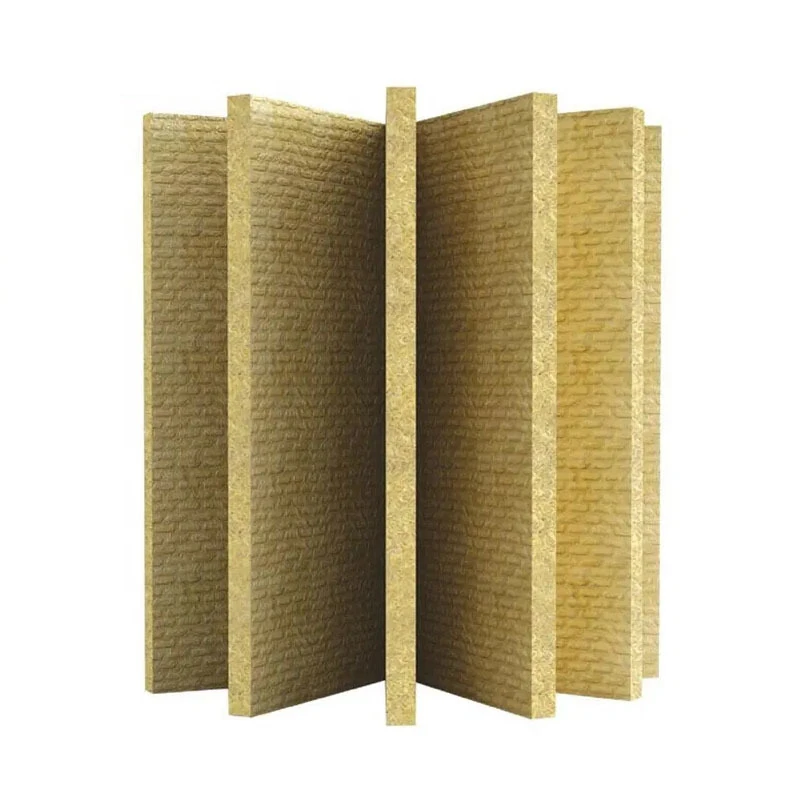
Mineral Wool Insulation Cost by Product Form
Product construction determines which measurements are needed to estimate material quantities and compare prices. The table lists specifications and pricing bases for each product.
| Product | Representative specifications | Cost and pricing basis |
|---|---|---|
| Rock Wool Board | Density: 60–200 kg/m³; thickness: 30–150 mm | Thickness, density, grade and quantity; commonly compared per m² or m³ |
| Rock Wool Blanket | Density: 40–200 kg/m³; thickness: 25–200 mm | Roll width and length, thickness and density; priced by roll or net coverage |
| Wire Mesh Blanket | Density: 50–100 kg/m³; thickness: 30–100 mm | Rock wool specification, wire-mesh reinforcement and finished dimensions |
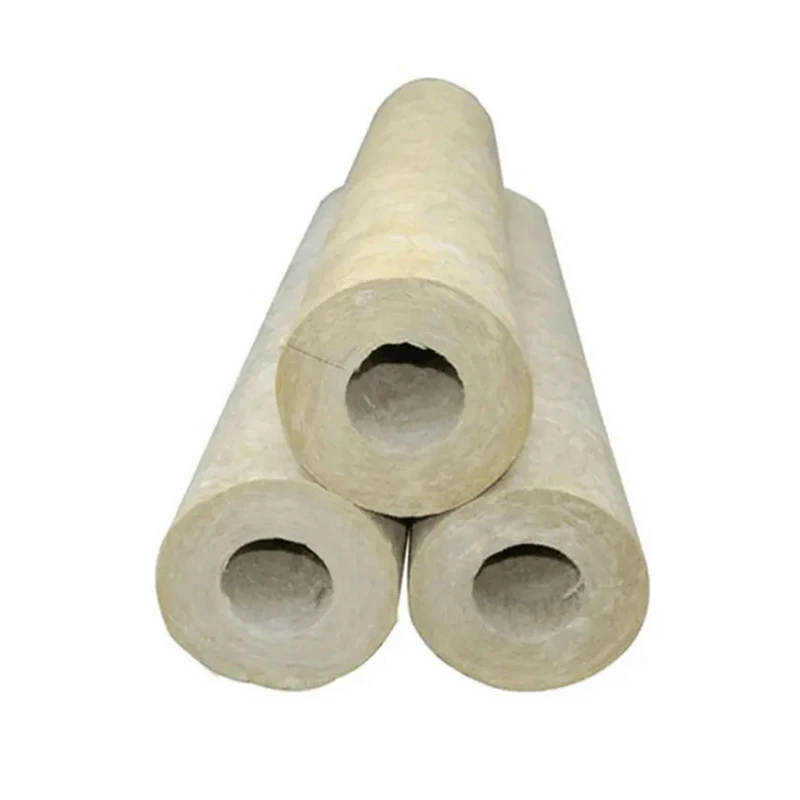
| Rock Wool Pipe Section | Inside diameter: 22–910 mm; insulation thickness: 20–150 mm | Pipe diameter, wall thickness, length and density; priced per linear metre or piece |
For flat insulation, greater thickness requires more material for the same covered area. Boards and blankets can be compared on an area or volume basis once their specifications are aligned. To assess mineral wool insulation cost for pipe sections, request a size-specific quotation instead of comparing them with flat insulation by m².
Mineral Wool Insulation Cost per m²
For walls, roofs and other flat surfaces, coverage multiplied by thickness gives the net material volume. The table shows the quantities required to cover 100 m² at three insulation thicknesses, before cutting waste or pack-size adjustments.
| Insulation thickness | Coverage | Net material volume | Volume per m² |
|---|---|---|---|
| 50 mm | 100 m² | 5.0 m³ | 0.050 m³ |
| 75 mm | 100 m² | 7.5 m³ | 0.075 m³ |
| 100 mm | 100 m² | 10.0 m³ | 0.100 m³ |
At 50 mm thickness, 100 m² of rock wool board requires 5 m³ of net material. If boards measure 1200 × 600 mm, each covers 0.72 m², giving 139 boards before cutting waste. At a density of 100 kg/m³, the net material weight is 500 kg.
To evaluate mineral wool insulation cost from quotations in different units, convert them to a common material cost per m²:
| Quoted unit | Material cost per m² |
|---|---|
| Per m³ | Thickness (m) × price per m³ |
| Per kg | Thickness (m) × density (kg/m³) × price per kg |
| Per roll | Roll price ÷ effective coverage per roll |
For the 50 mm example, the net material cost for 100 m² is five times the quoted price per m³. Actual purchasing quantities depend on board dimensions, cutting allowances and pack sizes. The calculations cover insulation material only, excluding separately quoted costs.
Mineral Wool vs Fiberglass Cost
A mineral wool vs fiberglass cost comparison is useful when both products meet the same thermal and construction requirements. Compare the quantities and configurations needed to meet the specification, rather than relying on equal nominal thicknesses or prices per roll.
| Comparison point | What to assess |
|---|---|
| Thermal requirements | Design R-value, declared thermal conductivity and the resulting required thickness |
| Material cost per area | Actual product prices converted to a common m² coverage basis |
| Product configuration | Grade, facing, reinforcement and other items included in the quotation |
| Packing and freight | Packed volume, loading quantity and delivery terms |
Different thermal conductivities may require different thicknesses to achieve the same design R-value. A lower price per m³ therefore does not necessarily mean a lower material cost per covered m².
For building insulation, assess each option against the thermal and construction specification. Hot equipment, industrial pipework and applications with mechanical requirements may call for particular board, pipe-section or reinforced blanket configurations. These differences affect whether the quoted materials are genuinely comparable.
Insulvora offers both rock wool products and fiberglass products. Buyers considering mineral wool vs fiberglass cost can review the relevant product specifications and request quotations for the suitable alternatives.
Packaging, Freight and Delivered Cost
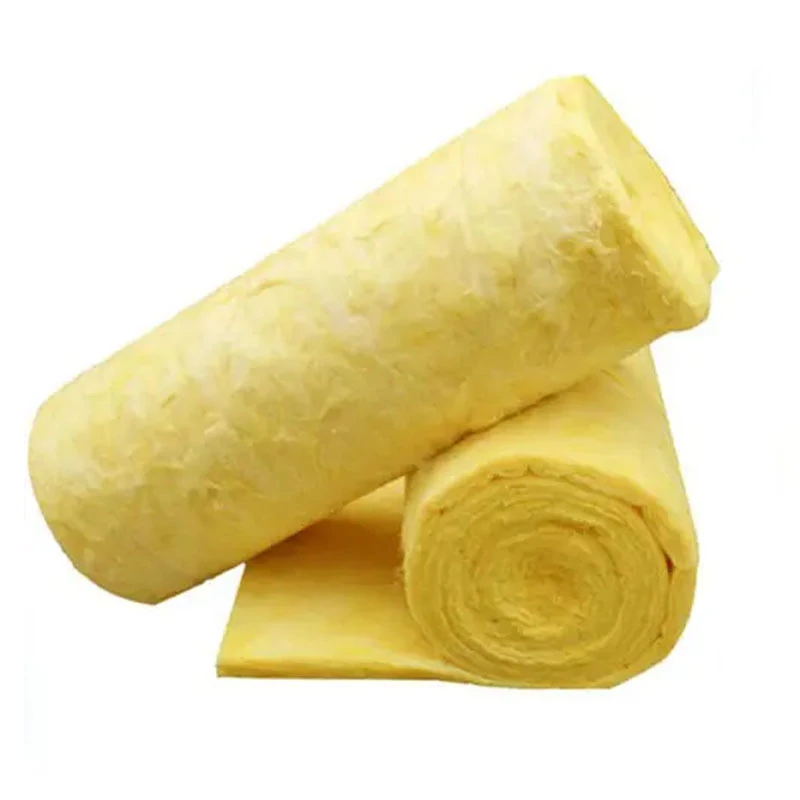
Packaging and freight can significantly affect mineral wool insulation cost on bulk orders. Rock wool boards are generally packed in stacks, while standard and wire-mesh blankets are supplied in rolls. Some fiberglass blankets can be compression-packed, but packed dimensions and loading quantities vary with product density, thickness and construction.
The scope of an export quotation depends on the agreed delivery term. We offer FOB and FCA delivery terms (Incoterms® 2020). The applicable term and named delivery location are confirmed in the quotation. Buyers should compare quotations on equivalent terms and account separately for transport or delivery charges outside the agreed scope.
Site installation is a separate project cost. Fixings, protective cladding, labour and other installation materials should be budgeted apart from the insulation material quotation. To compare mineral wool insulation cost across suppliers, distinguish material value, expenses covered by the agreed delivery term and any remaining project costs.
Request a Mineral Wool Insulation Quote
For a mineral wool insulation cost quotation, send the product form, required dimensions, thickness, density or performance requirements, order quantity and delivery location. Insulvora can confirm the applicable product configuration, quoting basis and delivery terms for your request. Where both materials are suitable, you can also request a mineral wool vs fiberglass cost comparison.