
Automotive Roof Insulation for Sound and Heat Control
Automotive roof insulation can address metal roof-panel vibration, interior noise, and heat transfer. For panels that resonate, vibration damping sheets are a practical starting point. Acoustic and thermal materials perform different functions; where the roof requires both vibration control and further sound or heat treatment, the materials can be combined.
Available space below the headliner, wiring, sunroof mechanisms, and other roof-mounted components affect material selection. Insulvora supplies damping sheets and acoustic-thermal materials for these applications.
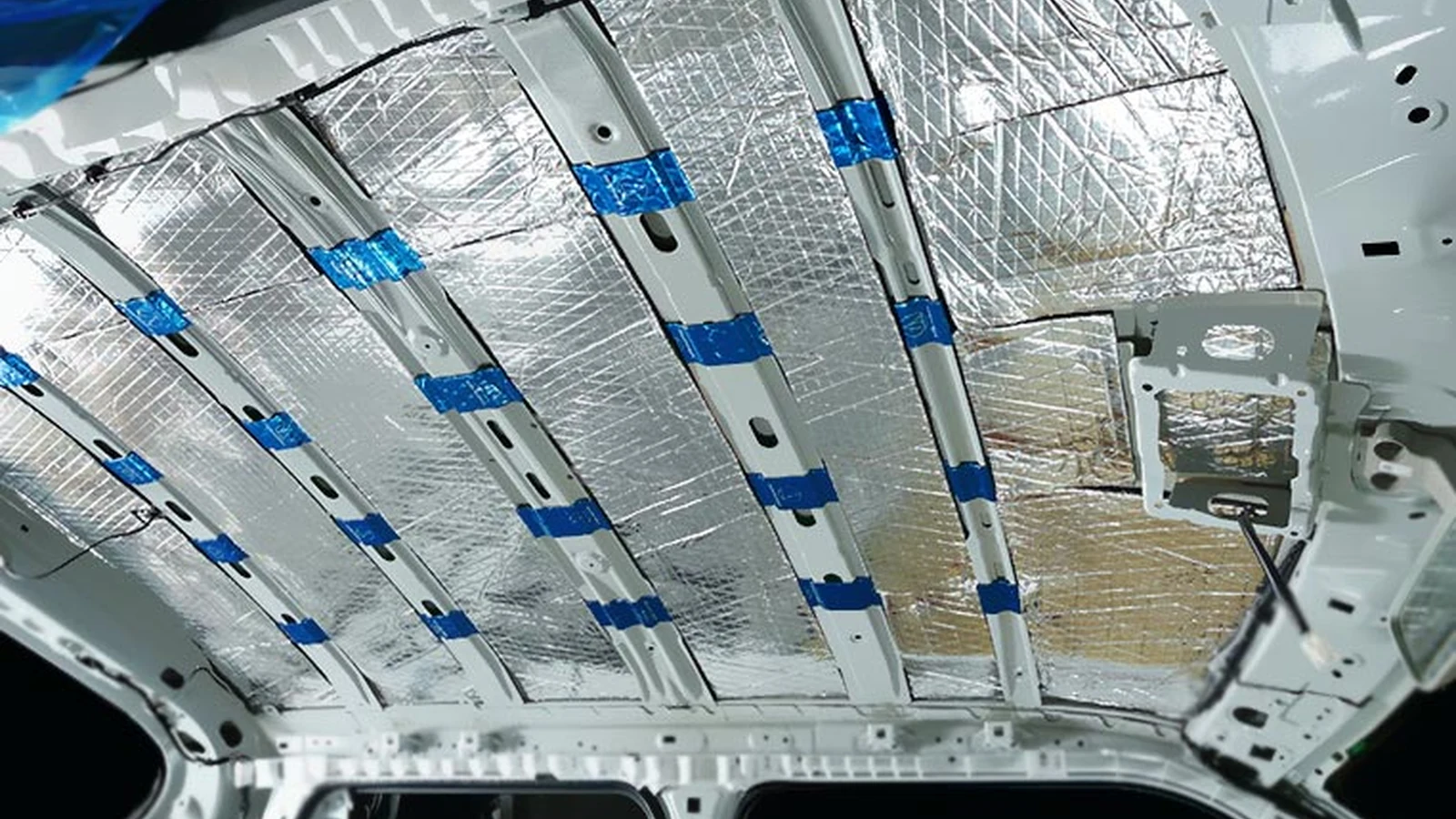
1. Match Roof Conditions to Material Functions
| Roof condition | Required function | Initial material direction |
|---|---|---|
| Roof-panel vibration, resonance, or rain noise | Reduce vibration in the metal panel | Apply damping sheets to suitable metal areas |
| Roof heat transfer or additional acoustic treatment | Provide thermal insulation or sound absorption | Choose an acoustic-thermal material for the goal and available space |
| Panel vibration with additional thermal or acoustic needs | Address vibration and supplementary thermal or acoustic needs | Consider damping and acoustic-thermal layers where space permits |
Rain striking a metal roof can excite panel vibration. Damping sheets target that source but do not replace sound-absorbing or thermal insulation materials. In automotive roof insulation projects, each layer should have a defined function. More layers are not necessarily better; a single material may be sufficient when only one function is needed.
2. Automotive Materials and Available Configurations
For automotive roof insulation, Insulvora's Automotive Vibration Damping Sheet is intended to control vibration and resonance in vehicle metal panels. It can serve as the first layer of a combined treatment. Sheet size, thickness, and damping performance depend on the selected configuration.
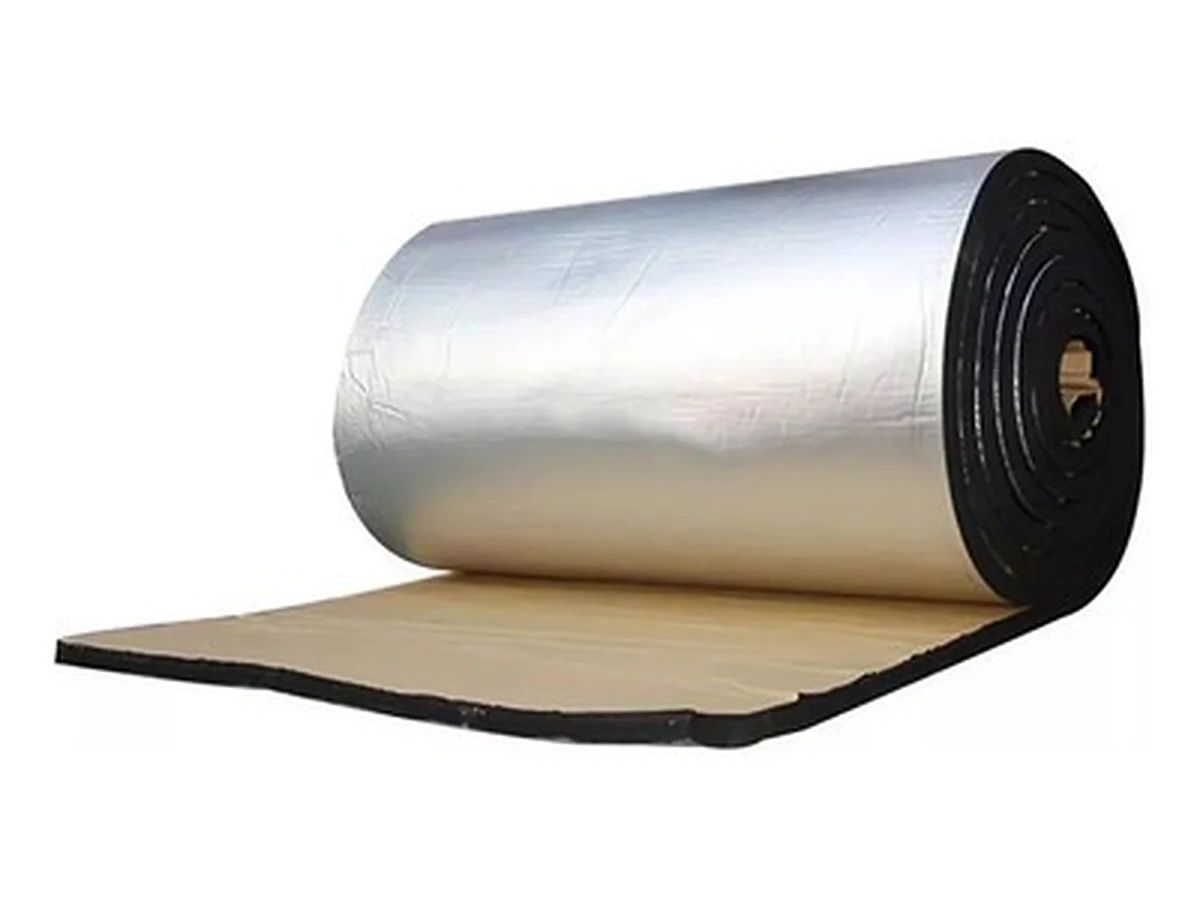
For roof areas requiring thermal insulation and supplementary acoustic treatment, 3-in-1 Automotive Sound & Thermal Insulation uses closed-cell NBR/PVC foam. Available thicknesses are 5, 7, 10, 15, 20, and 30 mm, with grid-pattern or plain aluminum facing and self-adhesive backing options.
Further material configurations for vehicle roofs are available under Automotive Sound Insulation .
3. Roof Clearance, Hardware, and Coverage Area
Automotive roof insulation must fit between the metal roof and interior headliner. Headliner clips, wiring, antennas, and other fittings constrain placement and thickness. Consider the selected product's thermal or acoustic performance as well as the available clearance: thicker material is not automatically better.
When damping and acoustic-thermal layers are combined, assess their total build-up—not only individual layer thicknesses—so the headliner can be refitted and existing components operate normally. Different roof areas may require different thicknesses or coverage patterns.
On roofs with sunroofs, rails, moving mechanisms, and drainage paths must remain clear, with access preserved where needed. Materials must not obstruct side-curtain airbags or other safety-related components. For self-adhesive products, metal surface condition affects bonding; original mounting points and restricted areas must remain uncovered.
Base quantities on usable roof area rather than external dimensions. Sunroof openings, fittings, and restricted zones reduce the available coverage and may call for different product forms or thicknesses. Headliner depth and interior layout vary by vehicle model, so roofs with similar exterior dimensions may still require different configurations and quantities. For multi-vehicle projects, assess each model separately.
For door treatment, see Car Door Sound Deadening for door-specific structural and moving-part requirements.
Automotive Roof Insulation Inquiries
Share the vehicle type, roof treatment goals, and available space. Insulvora can review damping sheets, acoustic-thermal materials, or combined configurations and discuss thickness, usable coverage, and pricing.