
Sound Deadening for Car Doors
When the outer or inner metal door panel vibrates or resonates, automotive damping sheet is generally the first material to consider. Other acoustic or acoustic/thermal materials may be added for separate requirements where the door construction permits. Simply increasing the number of layers will not correct every noise source, particularly loose trim or mechanical rattles.
Insulvora supplies automotive damping sheets, acoustic insulation and combined acoustic/thermal materials for sound deadening for car doors. The appropriate direction depends first on the source of noise, then on the areas available for treatment.
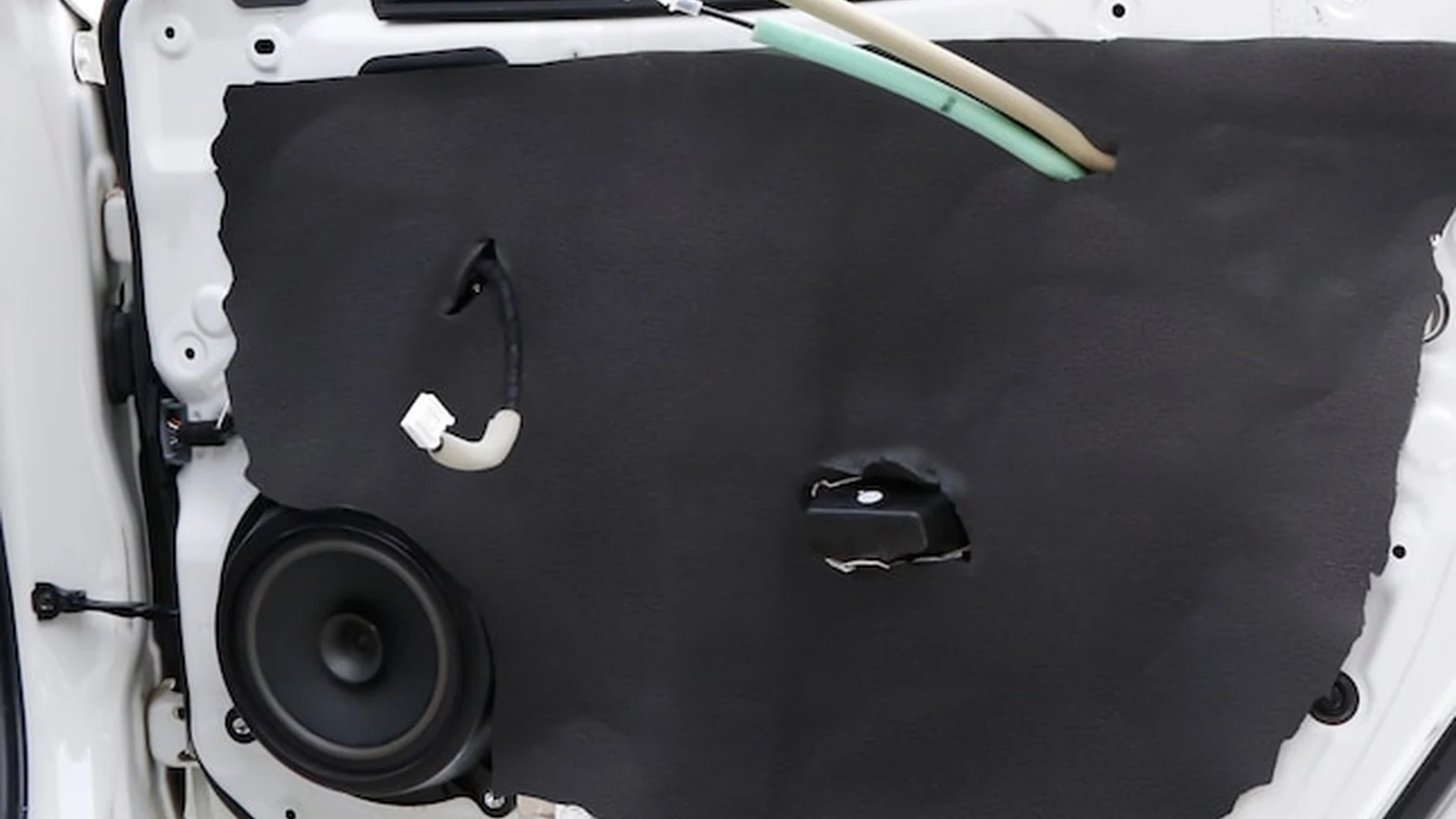
Door Noise Problems and Material Choices
For sound deadening for car doors, match the material to the noise source before choosing the treatment area.
| Door Issue | Material Direction | Practical Application |
|---|---|---|
| Resonance in the outer or inner metal door skin | Automotive damping sheet | Treat suitable metal sections where panel vibration needs controlling. |
| Additional acoustic treatment, with or without a thermal requirement | Acoustic insulation; combined acoustic/thermal material when thermal insulation is also needed | Check the intended function and where an additional layer can fit. |
| Speaker-area vibration or trim rattles | Treatment based on the source | Dampen vibrating metal; address loose trim, clips or mechanisms separately. |
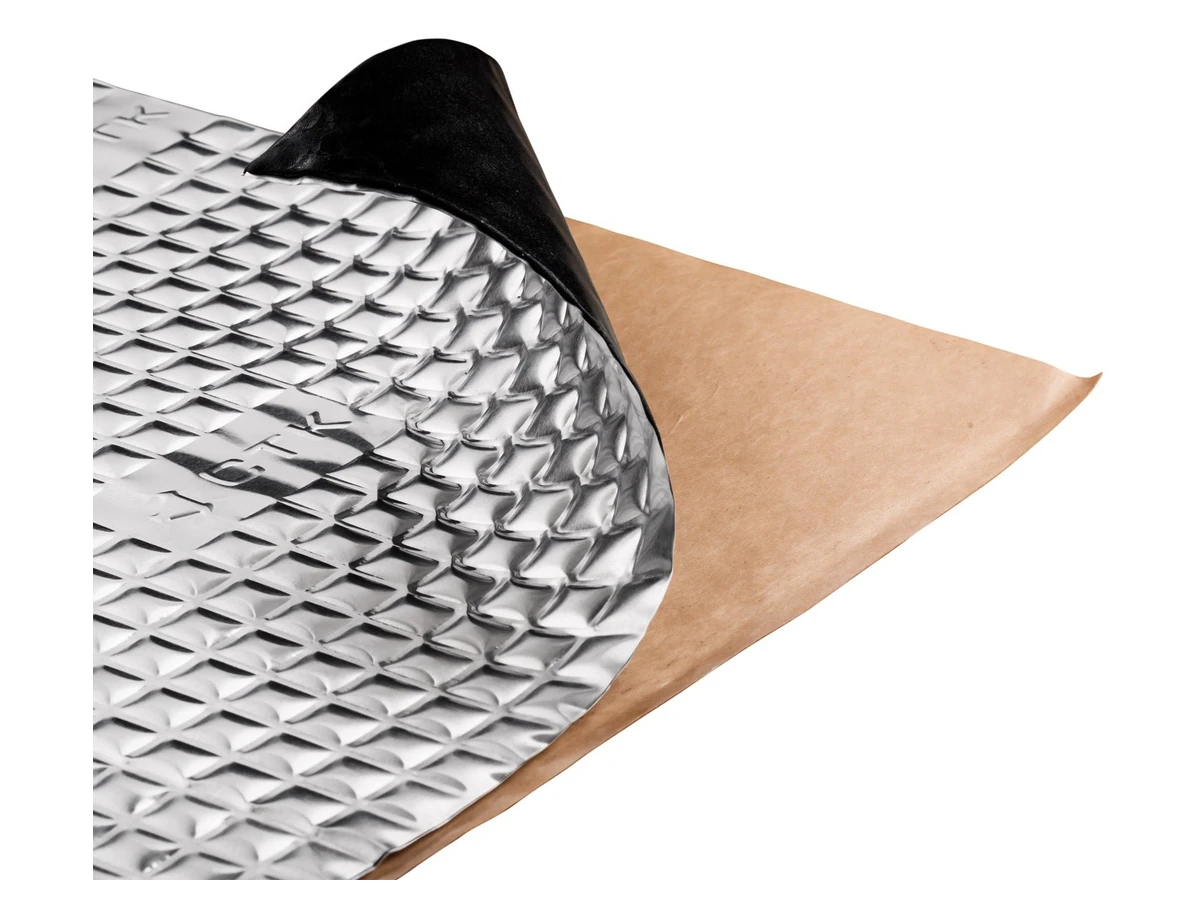
Automotive Vibration Damping Sheet is intended for suitable vibrating metal areas. Coverage should follow the sections that need damping, rather than automatically extending across every surface inside the door.
For additional acoustic treatment, Insulvora offers Automotive Sound Insulation. Where thermal insulation is also required, 3-in-1 Automotive Sound & Thermal Insulation may be considered. These products have different functions from metal-panel damping and should be selected for the intended treatment area.
Insulvora's corresponding acoustic and acoustic/thermal products use closed-cell NBR/PVC rubber foam. Listed thickness options are 5, 7, 10, 15, 20 and 30 mm, with self-adhesive backing and aluminum-faced configurations. Available thickness, facing and backing combinations depend on the individual product.
Door Mechanisms, Space and Drainage
Door mechanisms and trim clearance set limits on sound deadening for car doors. Damping sheets belong on suitable metal sections, while secondary acoustic layers may occupy different areas behind the trim.
Keep damping material clear of the full window travel, regulator and lock linkages. Check space around wiring, speaker mounts, trim clips and the door panel before adding an acoustic layer. Thinner materials can be easier to fit in restricted spaces; thicker or layered materials may prevent trim refitting or contact operating components. Added thickness alone does not guarantee a better noise result.
For self-adhesive products, the bonding surface must be clean and compatible. Leave lower-door drainage openings and water paths unobstructed to avoid trapping water, and keep access holes and fasteners reachable. If clearance is limited, revise the treatment area or material thickness instead of adding layers indiscriminately.
Usable Treatment Area and Project Quantities
For sound deadening for car doors, estimate quantities from the areas that can actually be treated, not from the door's overall outside dimensions. Reinforcements, speaker cutouts, moving mechanisms, drainage paths and service openings reduce usable coverage.
Calculate damping sheet and any secondary acoustic material separately because the materials may occupy different sections of the door. Front and rear doors can also differ in panel shape, speaker arrangement and clearance, even on the same vehicle. Account for each door and its intended treatment zones when planning quantities.
Related application: Projects that also include the roof should refer to Automotive Roof Insulation for the different requirements of that assembly.
Car Door Sound Deadening Materials and Project Quotes
For projects involving sound deadening for car doors, share the main noise issue, door or vehicle details, available installation space, treatment areas and approximate quantity. Insulvora can review suitable material directions, available configurations and quantities, then discuss the corresponding project quotation and pricing.