
Sound Deadening for Car Doors
When vibration or resonance in the metal door panels is the main concern, automotive damping sheet is generally the first material to consider. If the project also calls for additional acoustic treatment or thermal insulation, other materials can be added where the door construction allows. More layers alone will not address every source of door noise.
Insulvora supplies automotive damping sheets, acoustic insulation and combined acoustic/thermal materials for sound deadening for car doors. Selection depends on the noise source, metal panel layout, space behind the trim, moving components and drainage paths.
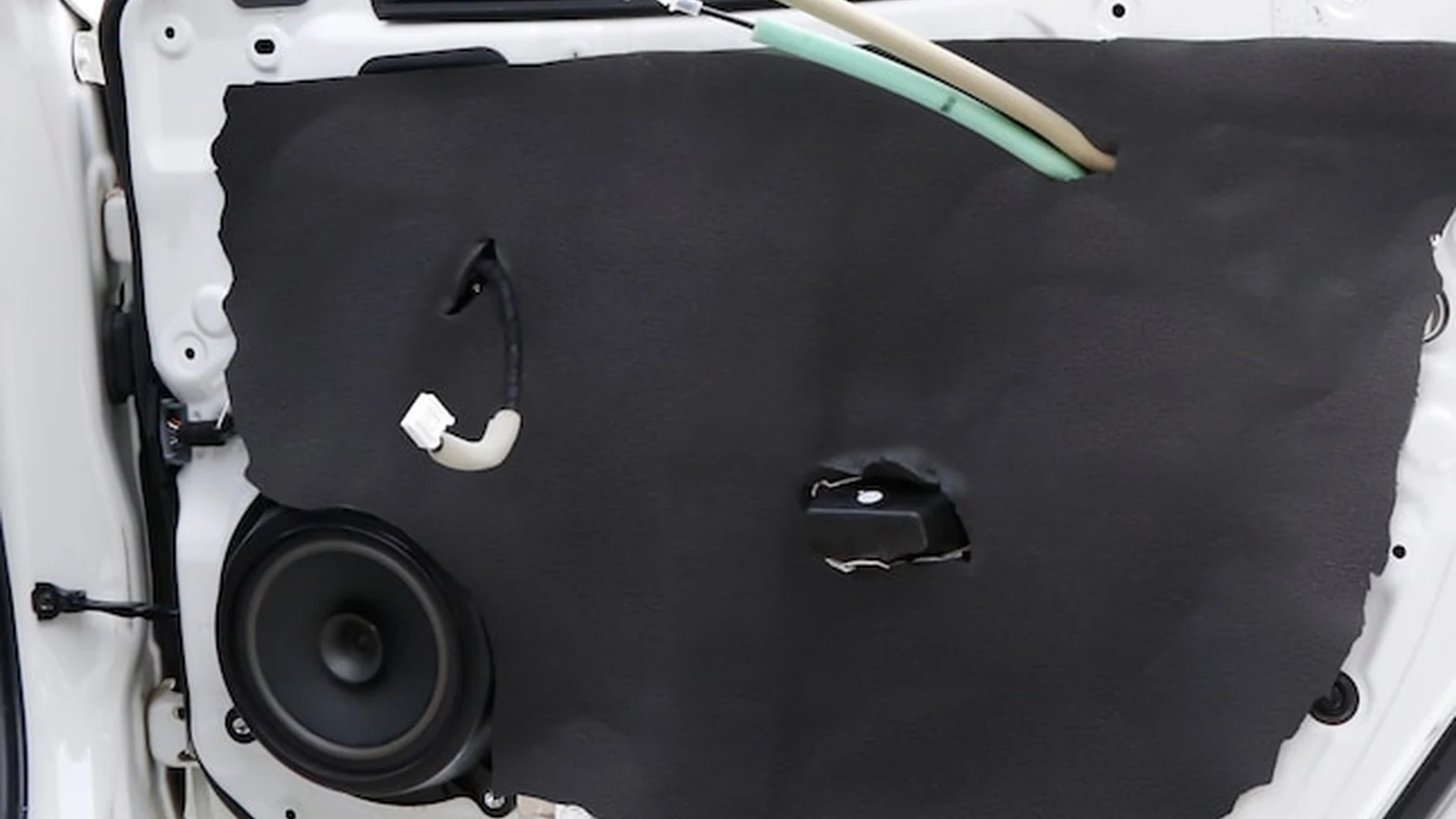
Door Noise Problems and Material Choices
Sound deadening for car doors involves different responses to panel resonance, added acoustic requirements and trim rattles. Damping sheets control metal vibration; acoustic and acoustic/thermal products serve other functions and cannot simply replace them.
| Door Issue | Material Direction | Practical Application |
|---|---|---|
| Resonance in the outer or inner metal door skin | Automotive damping sheet | Treat suitable metal sections where panel vibration needs controlling. |
| Additional acoustic treatment, possibly with thermal requirements | Acoustic insulation; combined acoustic/thermal material if heat insulation is also required | Check the function, location and available space. |
| Speaker-area vibration or trim rattles | Treatment based on the source | Damp vibrating metal; address loose trim, clips or mechanisms separately. |
Insulvora supplies Automotive Vibration Damping Sheet for suitable metal-panel areas. Coverage follows the areas requiring damping, rather than every surface inside the door.
Automotive Sound Insulation is an option for additional acoustic treatment; 3-in-1 Automotive Sound & Thermal Insulation is relevant when thermal insulation is also needed. Neither replaces metal-panel damping, and suitability depends on placement and door construction.
Insulvora's corresponding automotive acoustic and acoustic/thermal products use closed-cell NBR/PVC rubber foam, with listed thickness options of 5, 7, 10, 15, 20 and 30 mm, plus self-adhesive backing and aluminum-faced configurations. Available combinations depend on the individual product.
Thinner materials fit more readily behind tight trim. Thicker or layered products can interfere with speaker mounts, clips or moving parts, and added thickness alone does not guarantee lower noise.
Door Mechanisms, Space and Drainage
Sound deadening for car doors must account for moving hardware and available clearance. The outer metal skin and the space behind the trim have different constraints, so damping and secondary acoustic layers may cover different areas.
Damping sheet belongs on suitable metal, clear of the full window travel, regulator and lock linkages. Acoustic layers need space around wiring, speakers, trim clips and the door panel. A suitable material still cannot be used where it prevents trim refitting or contacts moving parts.
Self-adhesive products require a clean, compatible bonding surface. At the lower door, drainage openings and water paths must stay open; blocking them can trap water. Access openings and fasteners must remain reachable. Where space is tight, adjust coverage or thickness rather than adding layers indiscriminately.
Usable Treatment Area and Project Quantities
For sound deadening for car doors, material quantities should be based on treatable areas, not the door's overall outside dimensions.
Reinforcements, speaker cutouts, mechanisms, drainage and access areas reduce coverage. Damping sheet and secondary acoustic material may cover different areas, so quantities should be calculated separately.
Front and rear doors may differ in geometry, speaker layout and clearance, even on one vehicle. These differences, along with the noise source and usable area, affect material configuration and quantities.
If the project also includes roof treatment, see Automotive Roof Insulation for the separate requirements of the roof assembly.
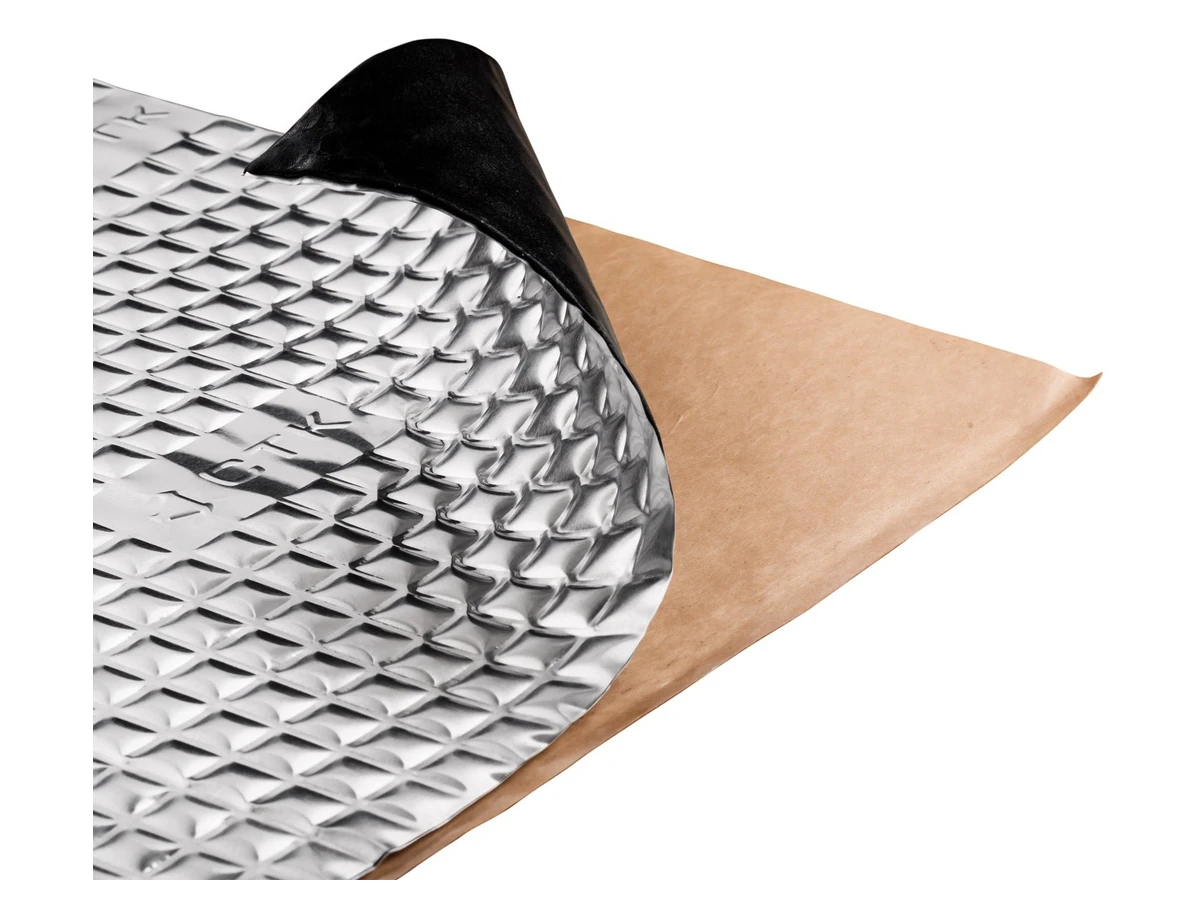
Car Door Sound Deadening Materials and Project Quotes
For sound deadening for car doors, Insulvora can discuss damping sheets, acoustic insulation and combined acoustic/thermal products, confirm configurations against door construction and available space, and review quantities and pricing.