
Storage Tank Insulation
For hot-water and other heat-retaining tanks, storage tank insulation depends on vessel geometry, operating temperature, heat-loss targets, and available space. Rock Wool Blanket conforms to large cylindrical shells; Wire Mesh Rock Wool Blanket adds reinforcement where needed, and Rock Wool Board may suit flatter, adequately supported areas. Different parts of one tank may need different forms.
Insulvora supplies rock wool blankets, reinforced blankets, boards, and glass wool rolls. For hot water tank insulation, a bare vessel insulated on site differs from one with a factory-fitted insulated jacket. Outdoor exposure, fixing, and maintenance access also matter.
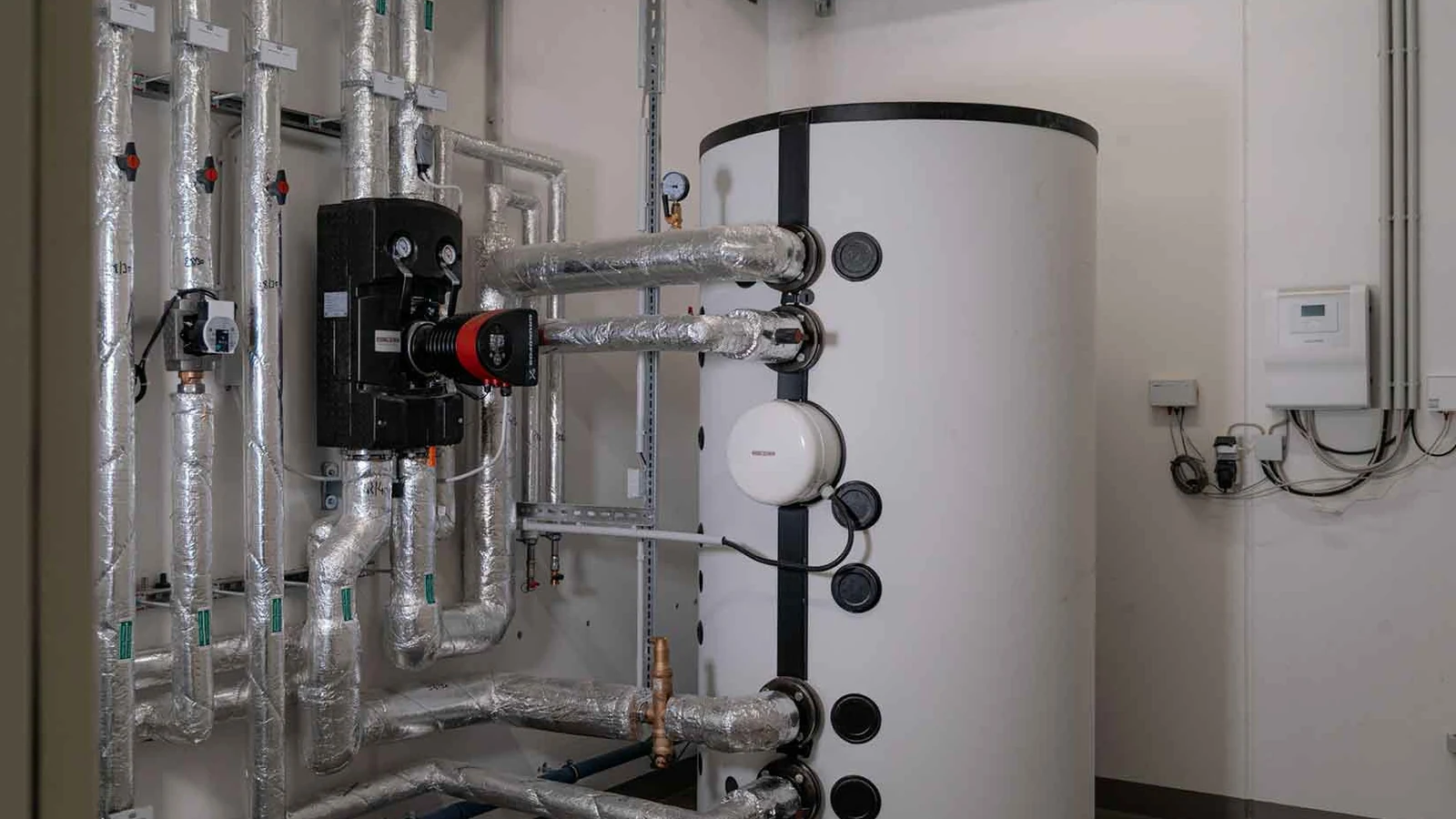
Tank Conditions and Product Direction
Tank capacity alone cannot determine storage tank insulation. Shell condition and curvature, operating temperature, available clearance, and heat-loss targets guide the initial choice. The table gives starting directions; product grade, thickness, and system details still require confirmation against project conditions.
Adding insulation to a factory-jacketed tank is not automatically suitable. Any addition must fit the existing assembly without obstructing controls, safety devices, or servicing.
| Tank condition | Initial product direction | Main consideration |
|---|---|---|
| Unjacketed hot-water tank insulated on site | Rock Wool Blanket; Glass Wool Roll where conditions permit | Operating temperature, shell curvature, available clearance, heat-loss target |
| Large cylindrical shell requiring sectional coverage | Rock Wool Blanket | Surface contact, blanket thickness, and fixing across the curved shell |
| Industrial tank requiring reinforcement during fitting | Wire Mesh Rock Wool Blanket | Shell geometry, reinforcement, and secure fixing |
| Flat or gently curved area with adequate support | Rock Wool Board or flexible blanket | Support, close surface fit, and continuous joints |
Water storage tank insulation for low-temperature service may require condensation, freezing, and vapor-ingress control. Mineral wool arrangements intended for heat retention should not be reused unchanged without assessing moisture and vapor protection.
Insulvora Product Forms for Storage Tanks
Product forms differ in surface fit, reinforcement, and support. Thickness and temperature grade must match the operating conditions; no single form suits every part of every tank.
Rock Wool Blanket
Rock Wool Blanket is supplied in flexible rolls 25–200 mm thick and 0.6–1.2 m wide. It can be fitted in sections over large cylindrical surfaces while maintaining contact along the shell.
Wire Mesh Rock Wool Blanket
Wire Mesh Rock Wool Blanket combines flexible rock wool with galvanized wire-mesh reinforcement and is available in 30–100 mm thicknesses. On large or irregular industrial tank surfaces, the mesh provides support during fitting and fixing. Its main distinction from an unreinforced blanket is mechanical support, not a greater ability to follow curves.
Rock Wool Board
Rock Wool Board is a more rigid product, available in 30–150 mm thicknesses. It may suit supported, flatter areas where good surface contact and joint continuity are possible. A tank roof does not automatically call for boards: roof shape, support, and cladding determine suitability.
Insulvora also supplies Glass Wool Roll, 25–100 mm thick. For hot water storage tank insulation, glass wool is an option only when the selected grade meets the service-temperature and installation requirements. Flexibility alone does not make it interchangeable with rock wool, especially at elevated temperatures. See High Temperature Insulation Materials for temperature considerations.
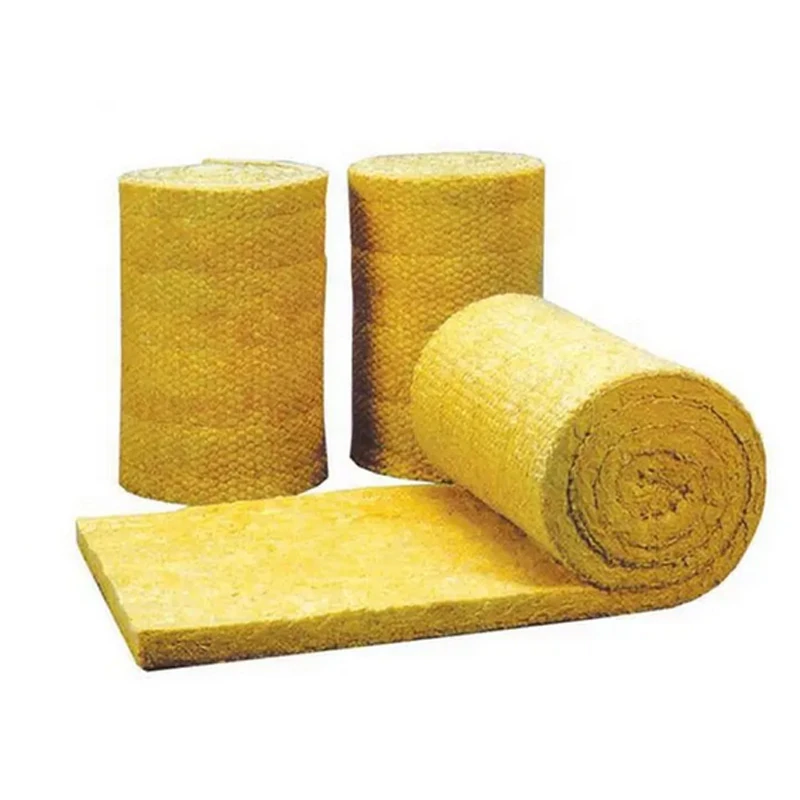
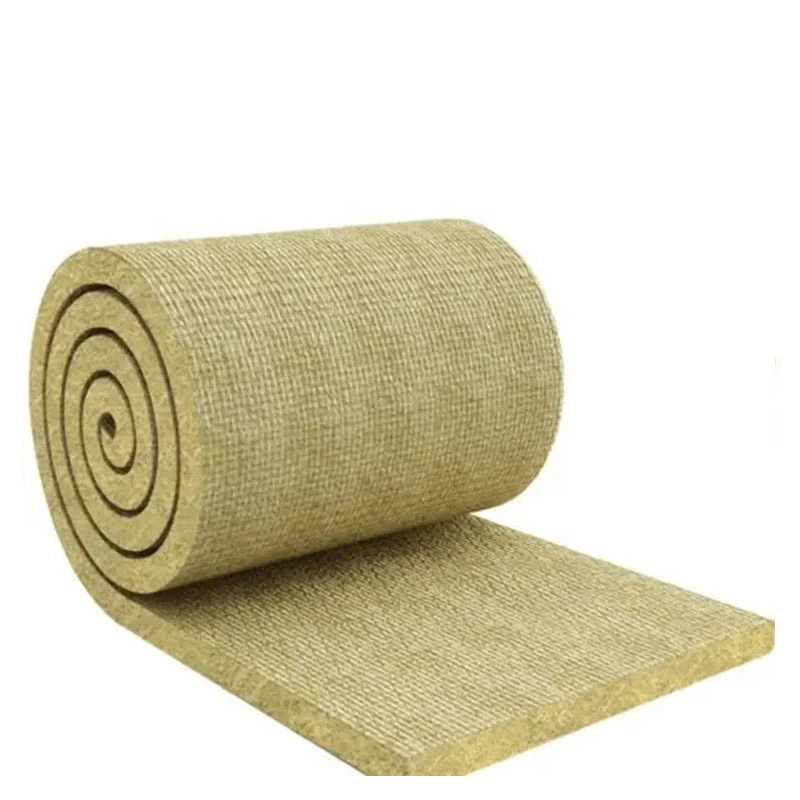
Insulation Continuity, Weather Protection, and Access
The insulation layer must remain continuous beyond the main shell. Gaps around roof transitions, nozzles, supports, and connections can cause localized heat loss and uneven surface temperatures.
Higher temperatures or tighter heat-loss and surface-temperature targets may require thicker insulation. The full build-up must fit within available clearance while accommodating attachments, external fixings, and cladding.
Outdoor storage tank insulation requires weather-resistant cladding regardless of blanket type. Roof edges, penetrations, overlaps, and joints need effective closure and drainage. Rainwater trapped in mineral wool can impair thermal performance; detailing must suit the vessel's geometry.
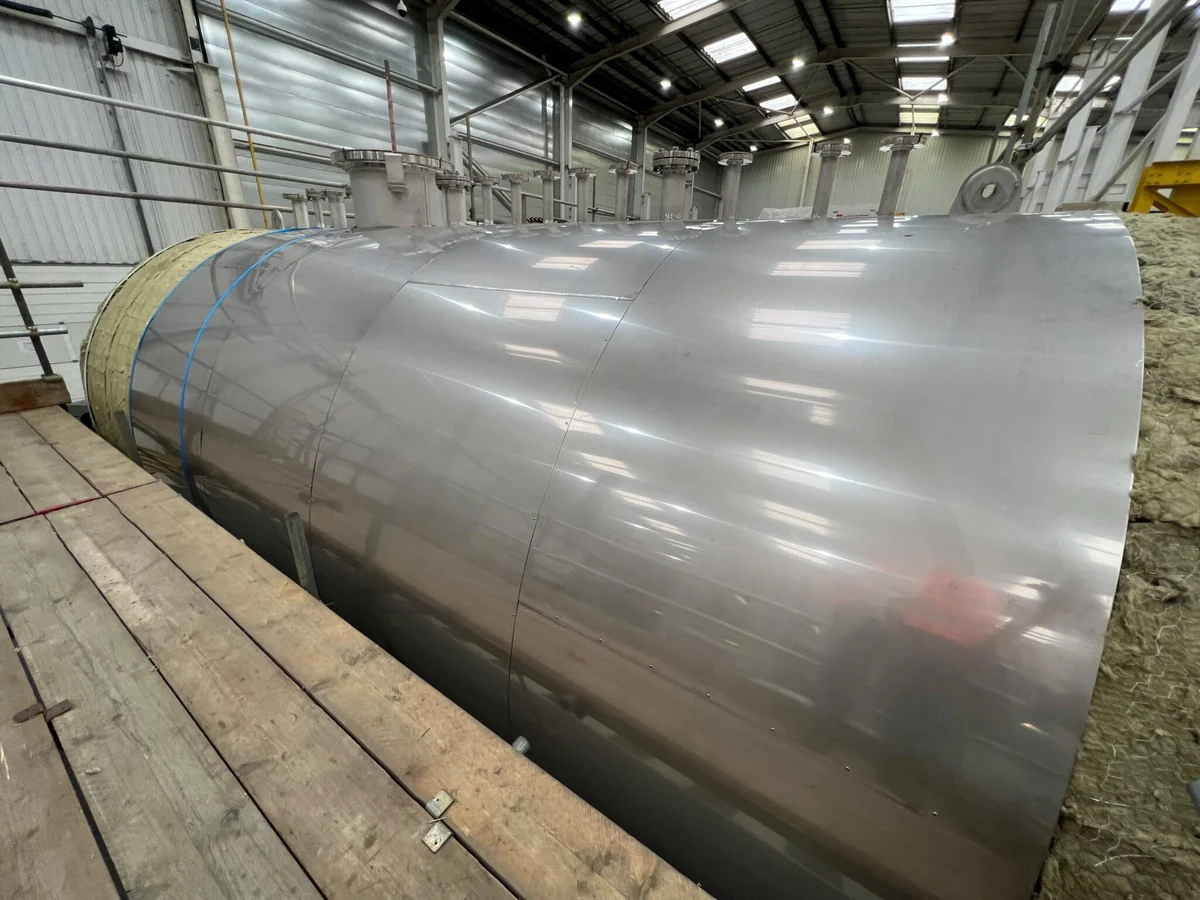
Wind and other mechanical loads influence how insulation and cladding are secured. Reinforced blankets help hold the insulation layer together but cannot replace external fixing or the weather-protection system.
For hot water tank insulation, safety valves, controls, nameplates, and service openings must remain accessible. Industrial tanks also require attention around manways, nozzles, and platform connections without obstructing maintenance. For more complex shell, roof, fixing, and metal-cladding arrangements, see Industrial Tank Insulation.
Storage Tank Insulation Quote
Share the tank's operating temperature, shell and roof geometry, whether it is already jacketed, available clearance, and any outdoor exposure or access constraints. Where available, include the heat-loss or surface-temperature target. Insulvora can review these conditions to confirm suitable product forms, available specifications, and project pricing.