
Acoustic Insulation for Walls
Acoustic insulation for walls addresses two distinct needs: reducing sound transmission between rooms and controlling reflections within a room. For projects involving sound insulation for bedroom walls or office partitions, the starting point is the wall assembly, with glass wool or rock wool often used in the cavity. For indoor reflections and reverberation, exposed polyester fiber acoustic panels serve a different purpose.
Both treatments may be needed in one project, but they are not interchangeable. Insulvora supplies glass wool boards, rock wool boards, and polyester fiber panels for wall cavities and exposed surfaces. Product form depends on construction, available space, appearance, and acoustic requirements.
1. Wall Conditions and Material Selection
For acoustic insulation for walls, distinguish a framed partition with a cavity from a solid wall without one. Glass wool and rock wool can fill framed-wall cavities. A solid wall may need an added lining with a suitable cavity before mineral wool can be used; fixing an absorptive panel directly to the surface is not an equivalent sound-isolation treatment.
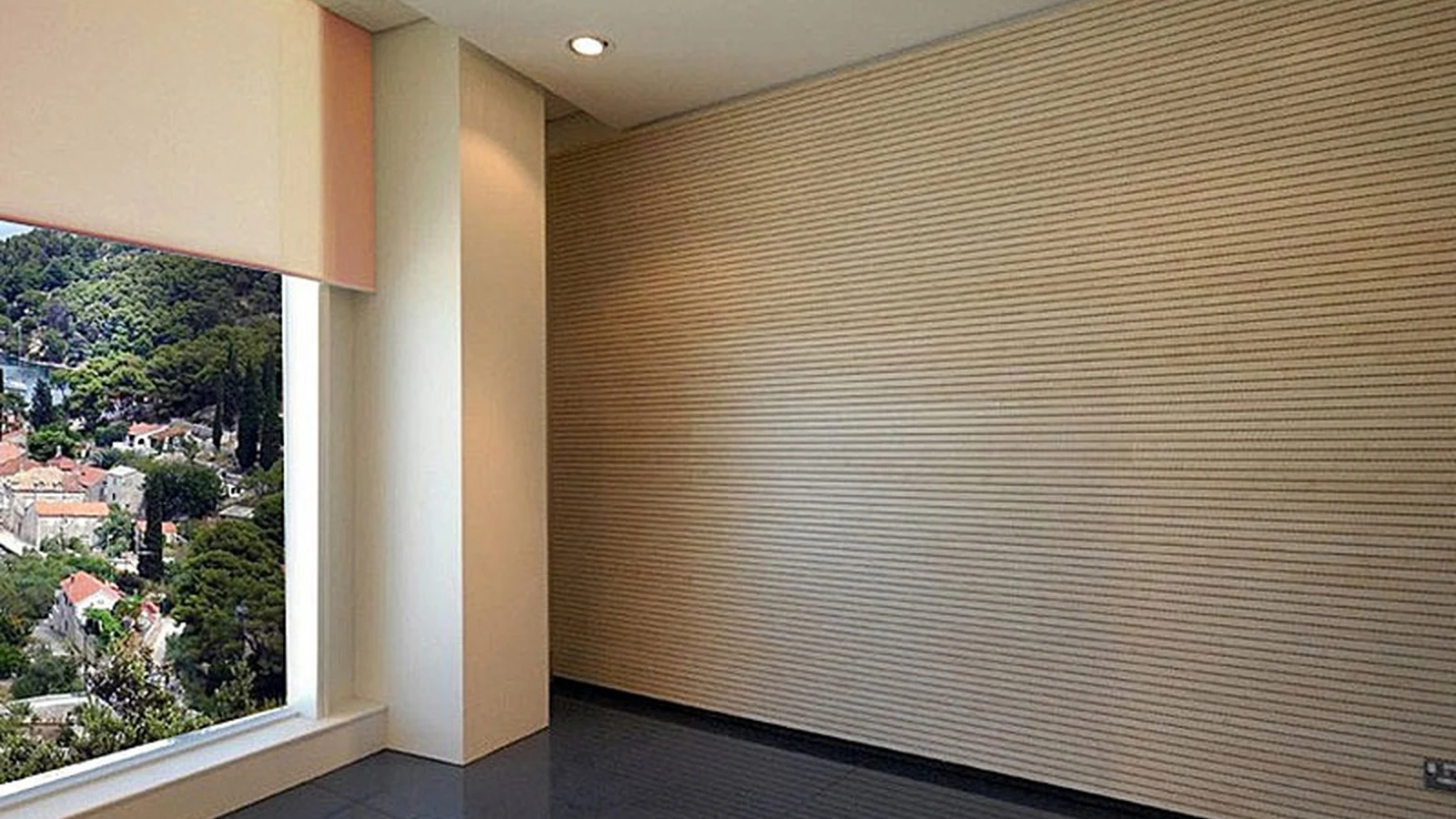
For internal reflections, hard wall finishes, main reflection zones, and available space guide acoustic wall panel coverage and placement.
| Application | Key conditions | Initial direction |
|---|---|---|
| Framed bedroom or office partitions | Cavity depth, stud spacing, board support | Glass wool or rock wool boards fitted within the complete partition |
| Solid wall without a cavity | Feasibility and depth of an added lining | Confirm a cavity-based assembly before specifying mineral wool; surface panels cannot replace it |
| Offices, meeting rooms, other interiors | Reflection zones, wall area, appearance | Acoustic wall panel coverage planned for room-side absorption |
| Transmission and reflections together | Isolation and absorption needs | Separate but potentially complementary cavity and exposed-panel treatments |
Clear cavity depth limits board thickness; stud spacing and support affect fit. Material should not be compressed to force in a thicker grade. Exposed panels are configured for coverage, location, and finish.
2. Insulvora Acoustic Wall Materials and Product Forms
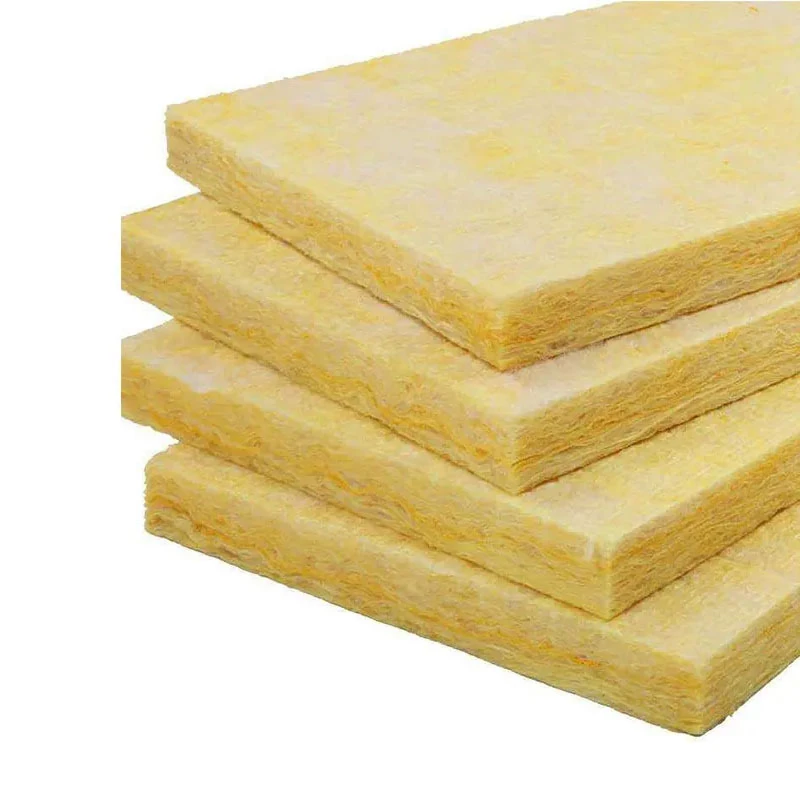
Glass Wool Board
For cavity-based acoustic insulation for walls, glass wool boards provide porous absorption within framed partitions. Proper support keeps the infill continuous and helps avoid gaps.
Insulvora offers glass wool boards in thicknesses of 20–130 mm, lengths of 600–2400 mm, and widths of 400–1200 mm. Available sizes can be checked against cavity depth and framing layout. Where positioning or support calls for a firmer board, high-density glass wool board is another option.
For shallow cavities, first check for a thickness that fits without excessive compression. Grade and density also depend on support and performance requirements; higher density alone does not establish better sound isolation for the completed wall.
Rock Wool Board
Rock wool board provides another mineral wool infill option for acoustic insulation for walls in compatible assemblies. Where rock wool or a particular grade or performance document is specified, selection can follow that requirement.
Insulvora rock wool boards range from 30–150 mm thick, with a standard size of 1200 × 600 mm and densities of 60–200 kg/m³. Board dimensions help establish layout and quantity, subject to the actual cavity and stud spacing.
These ranges allow an initial distinction: 20–29 mm infill is within the confirmed glass wool board range, while the confirmed rock wool range starts at 30 mm. A specified rock wool grade or thicker board requires a corresponding product check. Neither material type nor density alone determines the sound isolation of the full partition.
Polyester Fiber Acoustic Panel
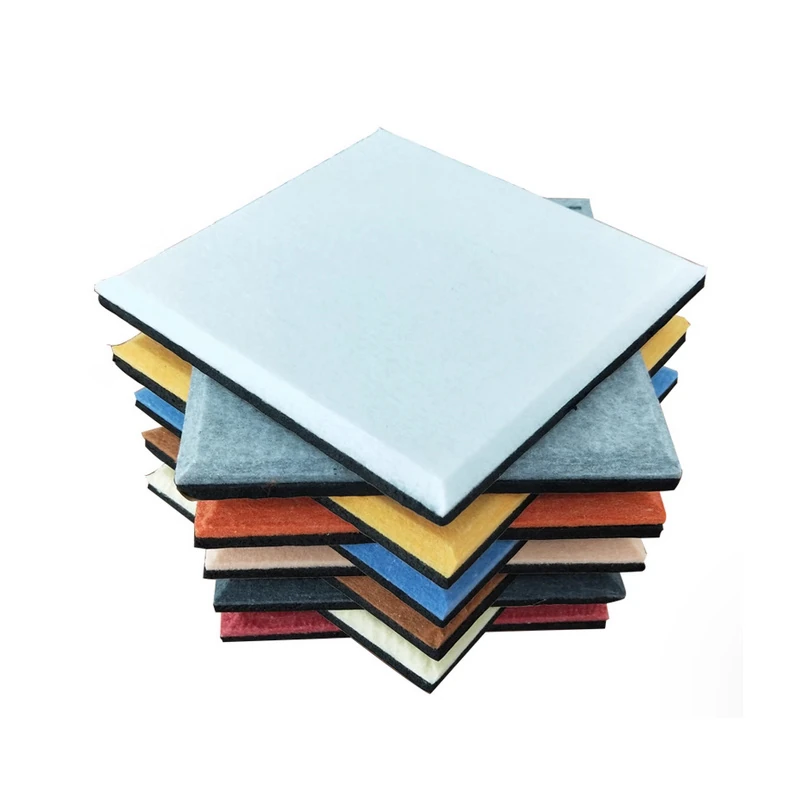
For reflections inside a room, polyester fiber panels provide an exposed acoustic wall panel option for offices, meeting rooms, and interiors requiring absorption with a finished appearance.
Insulvora can confirm thickness, finished dimensions, color, surface treatment, and edge options. Placement and coverage should follow the main reflection zones rather than simply adding decorative panels elsewhere.
An acoustic wall panel absorbs sound within the room; it cannot replace the wall construction required to limit transmission into adjoining spaces.
3. Wall Assemblies and Acoustic Performance
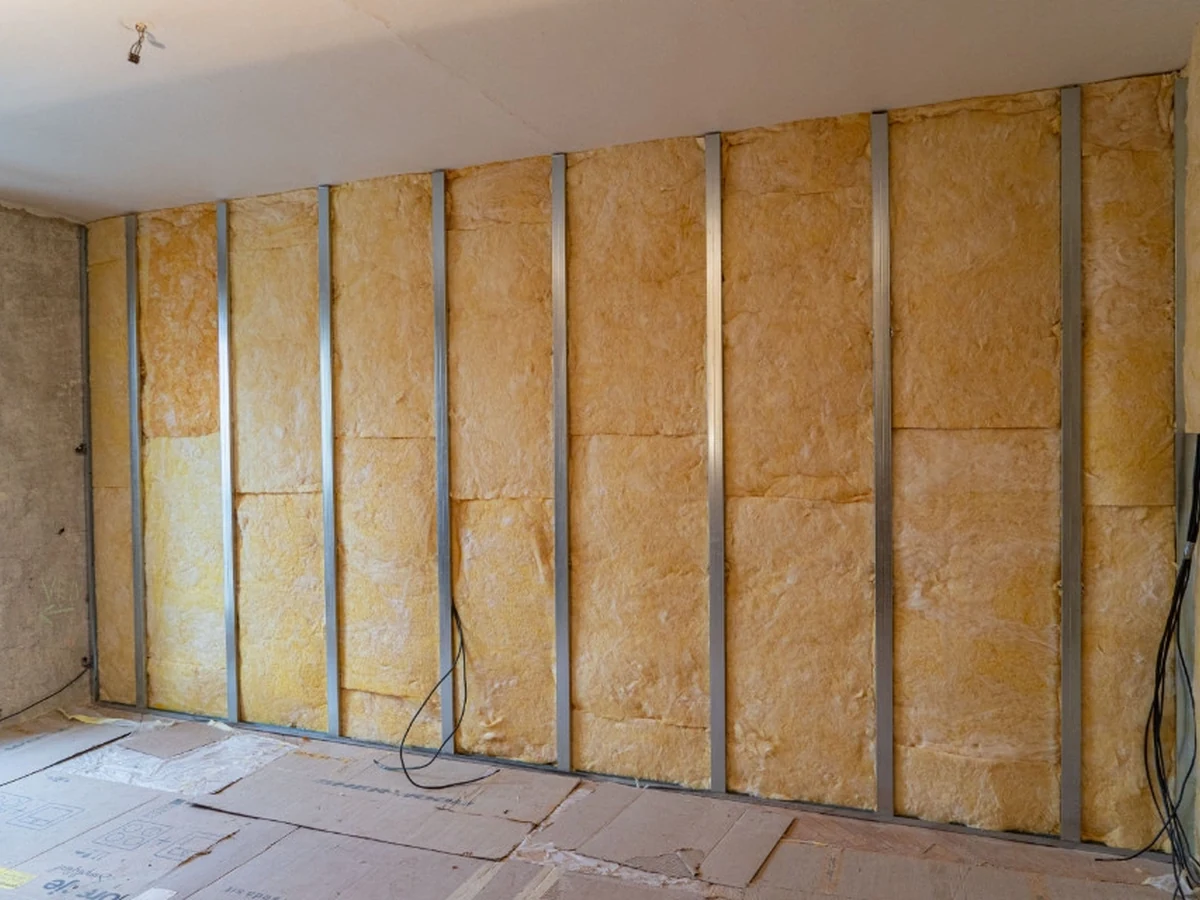
Glass wool or rock wool infill should remain continuous, without significant gaps or loose sections. Poor fit leaves areas unfilled; inadequate support can allow boards to shift during installation or service.
The result of acoustic insulation for walls also depends on wallboard layers, structural connections, perimeter seals, and service penetrations. Unsealed gaps or flanking paths can undermine sound isolation even with correctly specified cavity material. Infill is part of a complete wall assembly, not a stand-alone barrier.
For exposed panels, position, coverage, and fixing affect room-side absorption. Concentrating panels in a decorative area can leave key reflection points untreated. Installation should address where reflections actually occur. For comparisons and fixing details, see Acoustic Panels vs Foam and Acoustic Wall Panel Installation.
Where STC, NRC, or decibel targets apply, distinguish material tests from ratings for a complete wall assembly. Absorption data cannot stand in for a wall sound-isolation rating. Claims require relevant product, test-mounting, or full-assembly documentation; fire ratings likewise need documentation for the specific product.
Discuss Your Acoustic Wall Project
Insulvora can review glass wool boards, rock wool boards, or polyester fiber panels for acoustic insulation for walls and exposed wall absorption, confirm suitable specifications and configurations, and discuss project pricing.