
Boiler Insulation
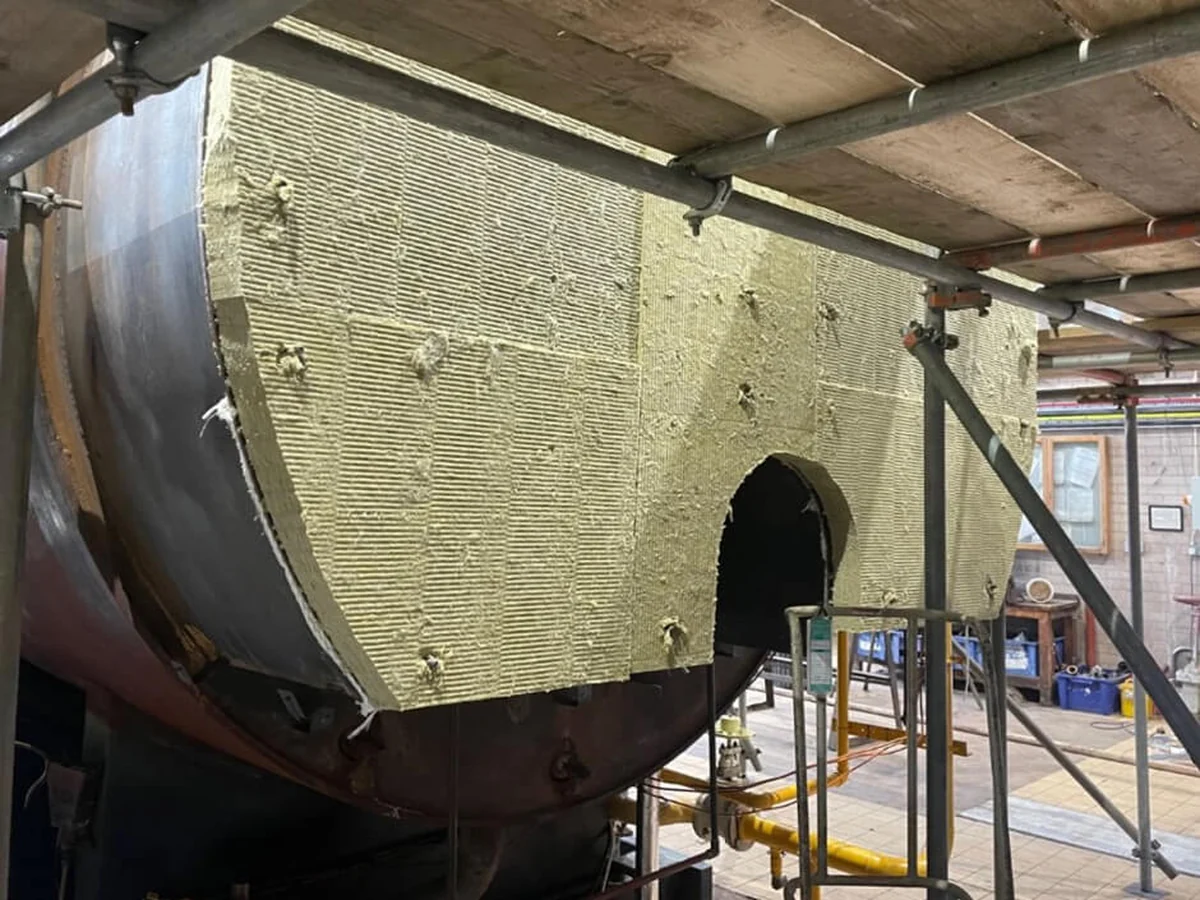
Boiler insulation must be selected for the equipment surface being covered, not simply for the boiler's overall rating. Curved shells, relatively flat casings, irregular areas and connecting pipes may require different insulation forms. Operating surface temperature, fastening points, installation clearance and maintenance access also influence the arrangement.
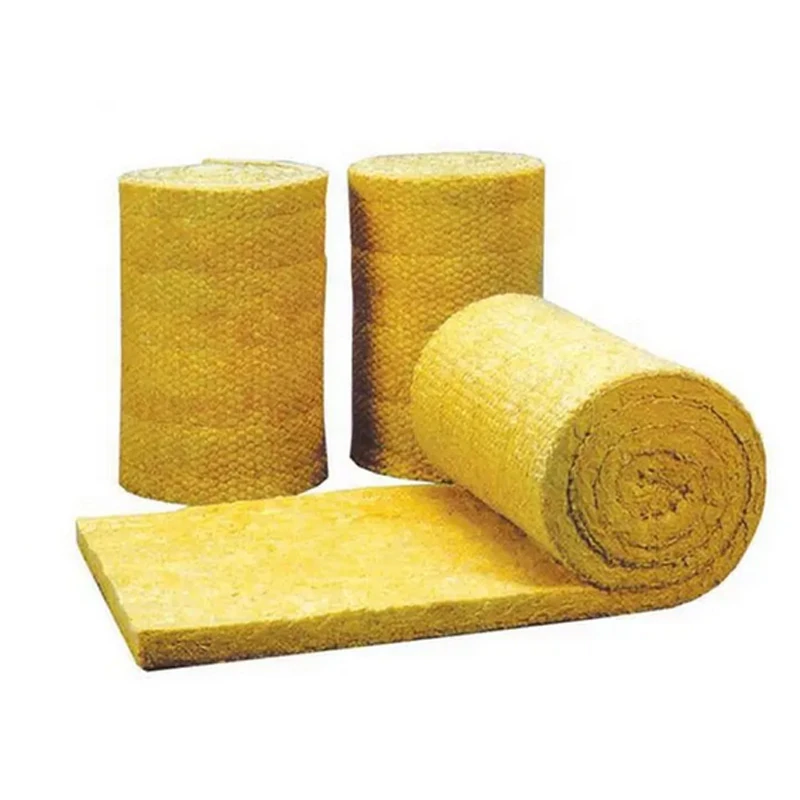
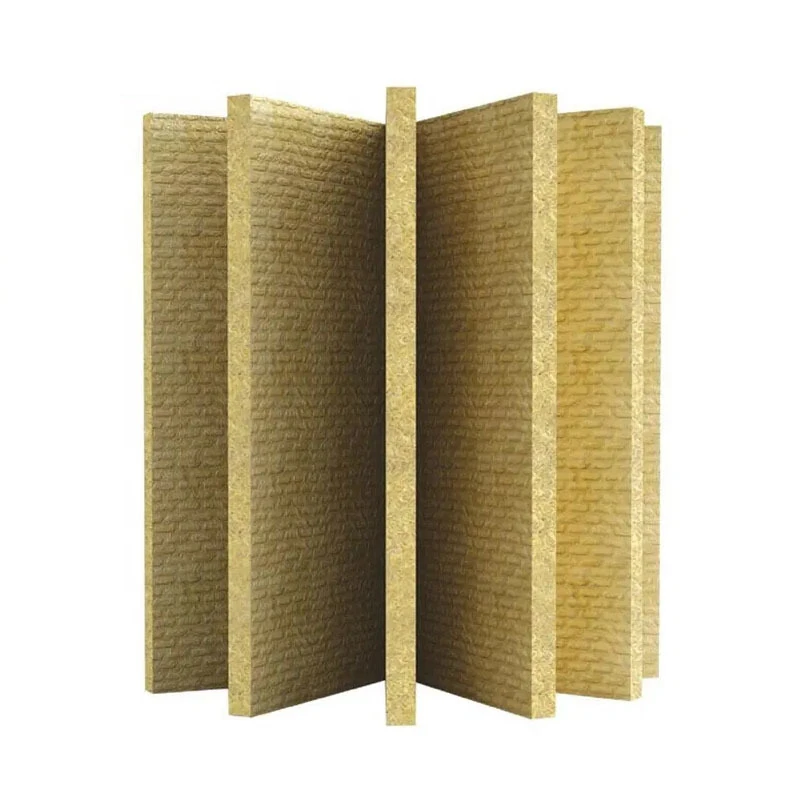
For curved shells, Rock Wool Blanket is often the first form to consider. Wire Mesh Rock Wool Blanket is an option where a flexible layer needs additional support and restraint, while Rock Wool Board suits flatter casing areas that allow proper fixing. Connecting pipes call for a separate assessment of pipe dimensions and service conditions.
Insulvora supplies rock wool blankets, wire mesh blankets and boards in different grades and thicknesses. For steam boiler insulation, the final product grade and arrangement must reflect the actual contact-surface temperature, thermal targets and external protection conditions.

Insulation Forms for Different Boiler Areas
| Boiler area | Product direction | Main consideration |
|---|---|---|
| Curved boiler shell | Rock Wool Blanket | Flexible insulation follows the curve with fewer joints than a layout made from segmented rigid pieces. |
| Curved or irregular areas requiring additional support | Wire Mesh Rock Wool Blanket | Galvanized wire mesh works with mechanical fasteners to restrain the flexible layer. |
| Relatively flat casing areas | Rock Wool Board | Boards require suitable support and fixing, with joints and projections properly addressed. |
| Boiler connecting pipes | Rock Wool Pipe / Pipe Section | Preformed sections are selected by actual pipe outside diameter, service temperature and required thickness. |
Insulvora Rock Wool Product Range
Rock Wool Blanket: Available in thicknesses of 25–200 mm and in standard and high-temperature grades with stated maximum service temperatures of 600°C and 750°C, respectively. Appropriate fastening is needed to maintain insulation contact and continuity along the shell.
Wire Mesh Rock Wool Blanket: Available in 30–100 mm thicknesses, with galvanized wire mesh reinforcement and separate 600°C and 750°C grades. Reinforcement helps retain the flexible layer on irregular areas, but does not replace proper mechanical fastening.
Rock Wool Board: Available in 30–150 mm thicknesses, with a stated maximum service temperature of 600°C. Boards can form a regular layer on supported flat surfaces; pronounced curvature or projections may require substantial cutting and create gaps between pieces.
Conditions That Affect Boiler Insulation Selection
Surface Temperature and Product Grade
A boiler's rated steam temperature, combustion-zone temperature and external temperature at the point where insulation contacts the equipment are different measurements. Select the insulation grade against the relevant contact-surface temperature, allowing for continuous service and the highest expected operating conditions.
Temperatures can vary significantly between boiler areas. A single equipment rating may therefore be insufficient for selecting every location. Higher-temperature sections may need a higher product grade, while cooler areas should be evaluated against their own conditions. A maximum service temperature belongs to the particular product grade, not to every rock wool product. This distinction is essential when assessing steam boiler insulation.
Surface Geometry and Fastening
Shell curvature, projections, existing support points and working space affect how an insulation layer can be installed and held in place. Confirm that the proposed fastening arrangement can restrain the selected form without interfering with cladding or equipment operation.
Clearance also matters. An insulation build-up may be too thick to fit around nearby equipment or within maintenance spaces even if its temperature grade is appropriate. Assess fastening and installation space before finalizing the form and thickness for the installation.
Insulation Thickness and Thermal Requirements
Boiler insulation thickness is influenced by contact-surface temperature, permissible heat loss, target outer-surface temperature and surrounding ambient conditions. Where personnel may come close to the boiler, limits on accessible surface temperature can be another design consideration.
Heat-loss requirements and personnel-contact limits may call for different thicknesses across an installation. Product catalogue thicknesses alone cannot establish the finished specification; the thermal duty, operating conditions and physical clearance must be evaluated together. This is particularly important for steam boiler insulation with different temperatures across its casing and connections.
Cladding, Joints and Maintenance Access
Cladding and Insulation Continuity
Steam boiler insulation is commonly protected by an external covering that helps limit mechanical damage and suits the surrounding environment. Seams, terminations and penetrations must be detailed so the protection remains effective around pipe connections, supports and casing projections.
Poorly fitted joints can leave insulation gaps or allow water ingress. Outdoor installations require particular attention to water shedding and weather protection. Where curved shells meet flatter casings, or different insulation products join, changes in thickness and fixing should be accommodated without leaving open edges. Continuity should be maintained wherever equipment design permits, without restricting fastening or operation.
Access Openings and Serviceable Areas
Boiler doors, manholes, inspection ports and other regularly opened parts need arrangements that permit inspection, access and subsequent reinstatement. They should not be permanently enclosed as though they were fixed casing surfaces.
If removable panels are sealed into surrounding fixed insulation, routine servicing may damage adjacent material and make it difficult to restore coverage. Clearly defined boundaries between removable and fixed areas help maintain both access and insulation continuity.
Burner openings, combustion-air passages, controls and manufacturer-specified safety clearances must remain unobstructed. Any steam boiler insulation arrangement must be consistent with the equipment design and applicable installation requirements, without restricting safe operation or maintenance.
Related Products and Technical Information
For comparisons of service-temperature ranges, see High Temperature Insulation Materials. For additional guidance on available forms and thickness considerations, see Rock Wool Thickness.
Boiler shells and connecting pipes require separate product decisions. For steam or hot-water connections, fittings, pipe diameters and installation locations, see Boiler Pipe Insulation.
Boiler Insulation Products and Project Quotes
For a project inquiry, provide the boiler area to be insulated, expected contact-surface or operating temperature, surface geometry, required thermal or outer-surface temperature targets, and relevant fastening, cladding and maintenance-access constraints. Where connecting pipes are included, provide their outside diameters and required insulation thicknesses if available.
Insulvora can discuss suitable rock wool product forms and confirm available grades and dimensions against the information supplied. The final grade, thickness and installation arrangement remain subject to the actual project requirements.