Boiler Pipe Insulation for Boiler-Connected Piping
Steam outlets, heating-water supply and return lines, feed and return pipework, and large headers can operate under different conditions within the same boiler system. Temperature, pipe diameter, heat-loss requirements, and installation exposure all influence the specification. Boiler pipe insulation should start with the duty of each pipe service, followed by selection of a suitable material and product form.
This page covers boiler-connected piping. Boiler shells, casings, and other large equipment surfaces require a separate assessment under Boiler Insulation.
Start with the Pipe Service
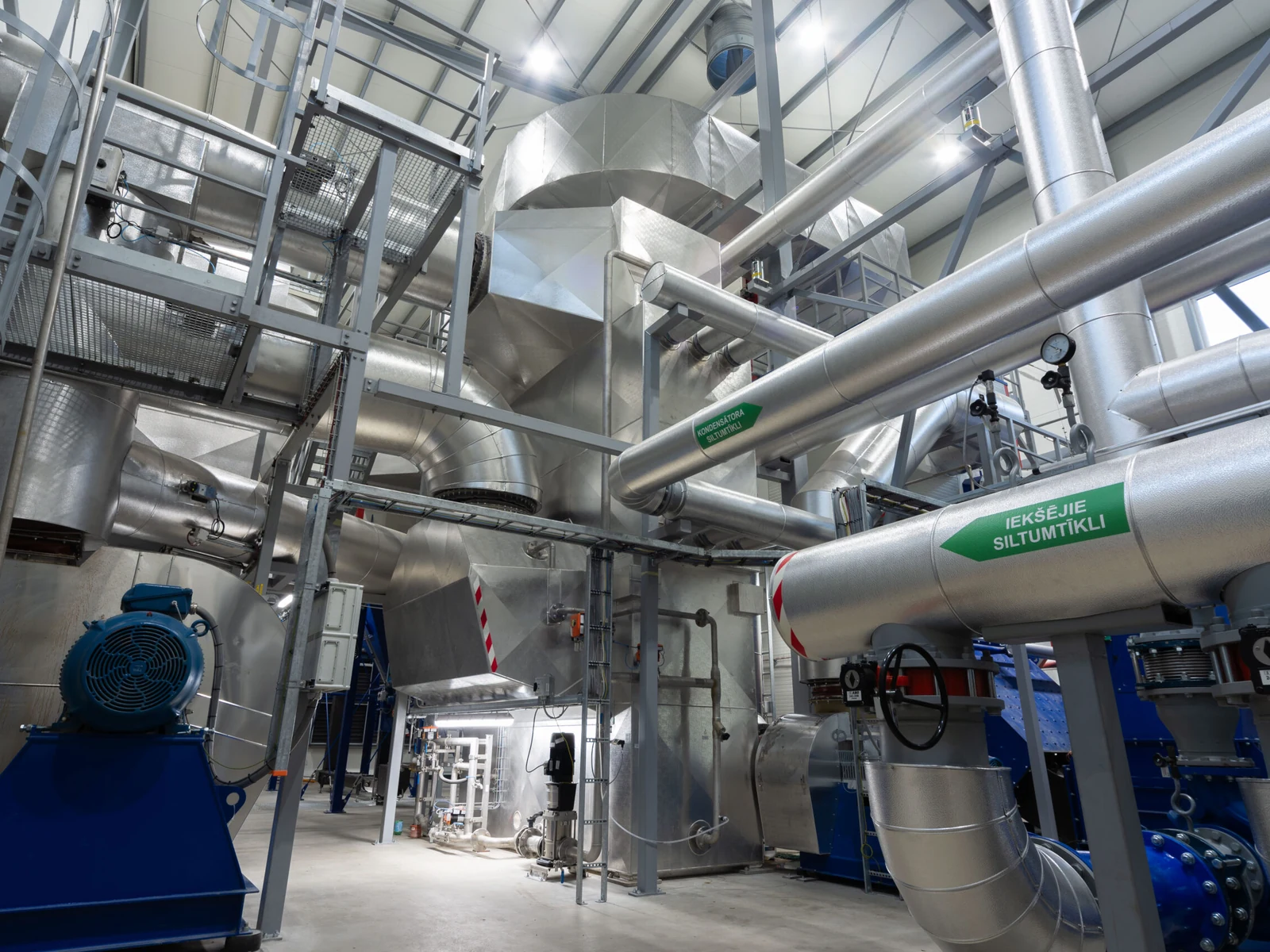
Steam lines require insulation selected for their actual operating and design temperatures. Mineral-wool products are commonly considered for these duties. For regular round runs, preformed rock wool pipe sections offer a direct starting point for boiler pipe insulation; larger headers and complex connections may need flexible blanket forms.
Heating-water supply and return lines should not automatically use the same material or insulation thickness as steam lines. Water temperature, pipe diameter, the specified material system, and indoor or outdoor exposure determine the choice. Glass wool pipe insulation and rock wool pipe sections may both be suitable when the selected product meets the service conditions.
Feed lines, return lines, and other boiler connections also need to be assessed by the fluid or service involved and its actual temperature—not simply by their location in a boiler room. Where operating or design temperature is the controlling factor, use the relevant high-temperature piping criteria to evaluate the product grade and construction.
Conditions That Determine the Final Specification
Temperature and product grade. For boiler pipe insulation, operating and design temperatures establish which material family and product grade can be considered. A published temperature limit must be checked against the specific product; it should not be applied to all rock wool or glass wool products.
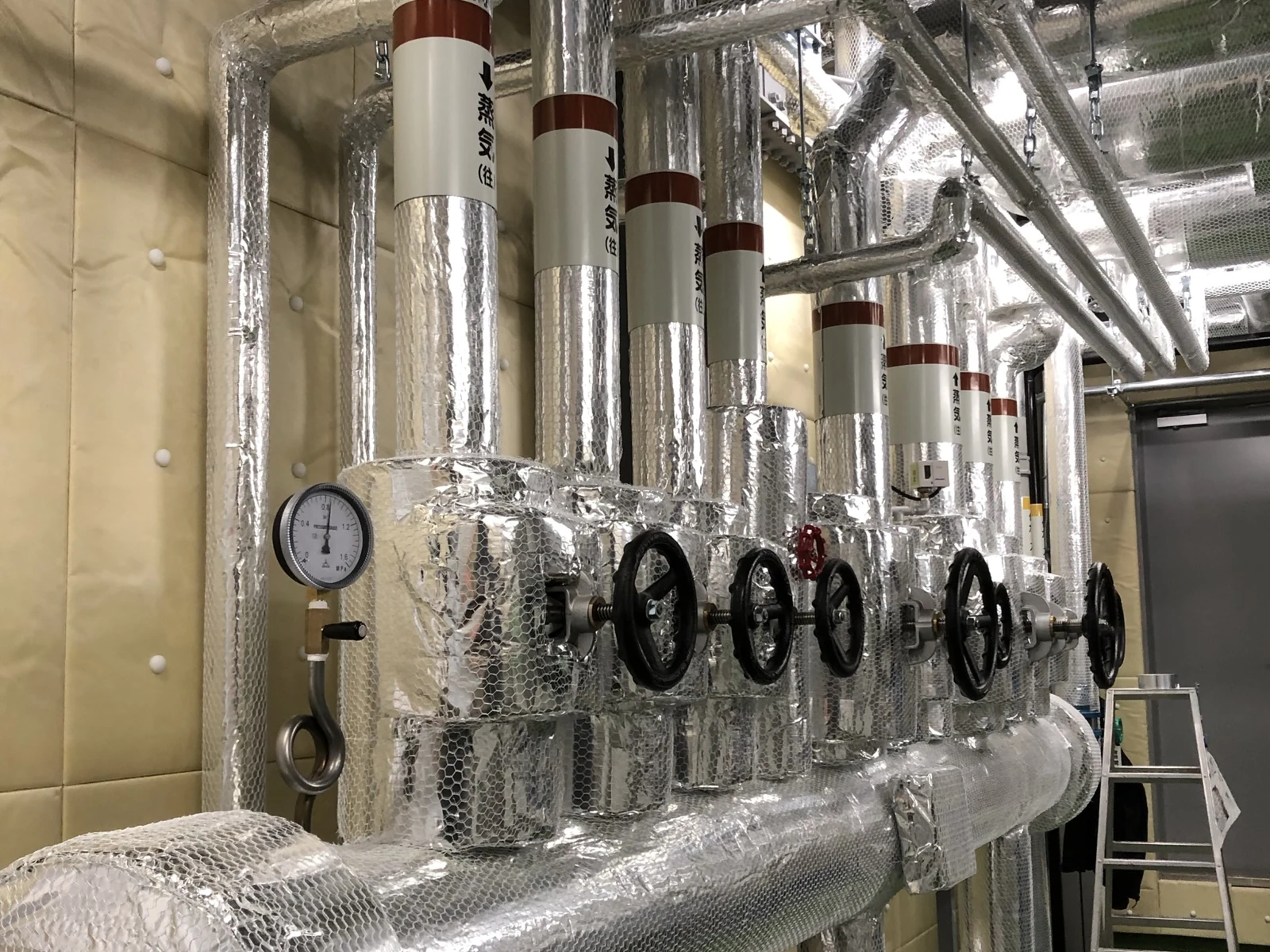
Pipe size, geometry, and thickness. Match preformed sections to compatible round pipe diameters. Larger headers, bends, reducers, and changes in section may call for flexible rock wool or wire-mesh blankets where rigid sections cannot provide continuous coverage. Determine insulation thickness from the project’s heat-loss or accessible surface-temperature requirements, using the selected material and service conditions.
Connections and maintenance access. Valves, flanges, instruments, pump connections, and changes in pipe size need details that maintain insulation continuity without obstructing inspection, removal, servicing, or normal equipment operation. Their detailing must be coordinated with the insulation selected for straight runs.
Pipe supports and thermal movement. Supports interrupt normal insulation runs, and hot piping may expand or move during operation. Details at supports and other interfaces must accommodate the existing support arrangement and thermal movement without creating rigid restrictions.
Indoor and outdoor exposure. Indoor boiler-room piping must remain accessible for service. For outdoor runs, coordinate metal cladding, overlaps, terminations, and penetrations to protect the insulation from rainwater entry and external mechanical exposure. Cladding and its details therefore need to be considered alongside the insulation layer.
Available Product Forms
Rock Wool Pipe / Rock Wool Pipe Section
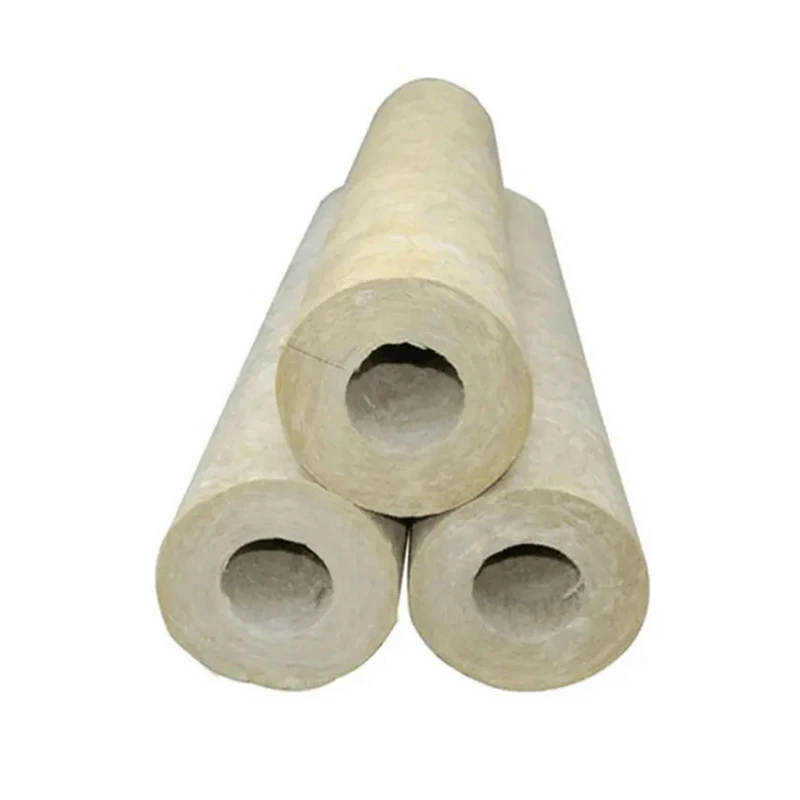
For regular, round hot piping, preformed rock wool pipe sections are a primary product form for boiler pipe insulation. Insulvora’s current range covers inner diameters of 22–910 mm, insulation thicknesses of 20–150 mm, and a listed maximum operating temperature of 600°C. Confirm the selected diameter, required thickness, operating temperature, and external protection for the project.
Rock Wool Blanket
Flexible rock wool blankets can cover large-diameter pipework, broad curved surfaces, headers, and transitions that are difficult to insulate continuously with rigid sections. For boiler pipe insulation in these areas, Insulvora’s current range offers thicknesses of 25–200 mm, with different temperature grades for project-specific selection.
Wire Mesh Rock Wool Blanket
Wire-mesh rock wool blankets combine a flexible insulation layer with galvanized wire-mesh reinforcement for additional shape retention and support. They can be evaluated for selected large-diameter pipework, headers, bends, and irregular boiler connections where that construction is useful. The mesh reinforcement distinguishes this product form from a standard rock wool blanket.
Glass Wool Pipe Insulation
For suitable hot-water and other boiler-connected lines, glass wool pipe insulation provides another preformed option. Insulvora’s current range covers inner diameters of 22–720 mm and has a listed maximum working temperature of 450°C. Check the actual service temperature and specified material system against the selected product. Where higher temperatures or a rock wool system are required, assess the corresponding rock wool range instead. For boiler pipe insulation, select the glass wool range only where its stated working limits and the project requirements align.
Continue to the Relevant Application or Product
Steam Pipe Insulation — For steam-service boiler pipe insulation, including operating temperatures, product forms, and outer protection.
Hot Water Pipe Insulation — For heating-water supply and return conditions, material selection, and system requirements.
High Temperature Pipe Insulation — For pipe insulation systems where continuous or design temperature is the principal constraint.
High Temperature Insulation Materials — For selecting material types and grades against high-temperature service requirements.
Boiler Insulation — For boiler shells, casings, and other large equipment surfaces rather than connected pipework.
Rock Wool Pipe — For preformed pipe-section construction and the available product specifications after this form has been selected.
Discuss Your Boiler Piping Project
For a boiler pipe insulation inquiry, share the pipe service, operating or design temperature, pipe diameter, insulation target, installation environment, and estimated quantity where available. The specification does not need to be complete. Insulvora can review the application, identify a suitable product form, and confirm what is needed for the next quotation step.