
Hot Water Pipe Insulation
Hot water pipe insulation reduces distribution heat loss in domestic hot-water networks, heating-water systems, and mechanical piping. Accessible pipework may also need to meet a surface-temperature limit. The first selection checks are continuous operating temperature, actual pipe outside diameter (OD), and required insulation thickness; exposure, fire requirements, and outer protection then determine the complete configuration.
Insulvora supplies closed-cell rubber foam tubes, preformed glass wool pipe sections, and rock wool pipe sections. Rubber foam is a practical first route for standard indoor hot-water lines when the selected product's verified temperature range and dimensions fit. Glass wool or rock wool may be more suitable where the service temperature, pipe diameter, or project specification calls for a different product. Steam and higher-temperature industrial piping require separate application assessment.
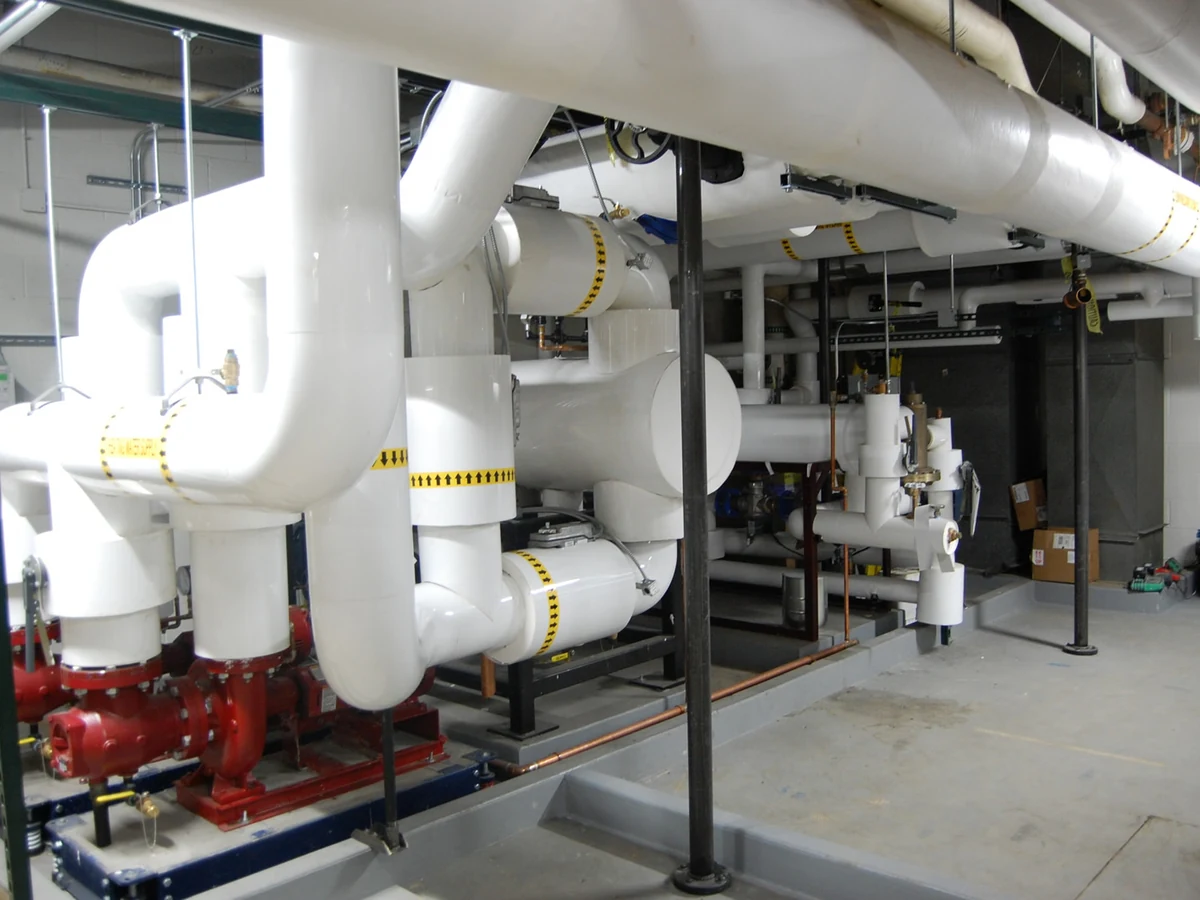
Service Conditions and Specification Inputs
Standard indoor distribution. For standard indoor hot water pipe insulation, the main priority is retaining heat through the pipe network. Confirm the actual pipe OD and required insulation thickness before choosing a tube or preformed section. For accessible hot-water piping, any specified surface-temperature limit must also be considered.
Mechanical rooms and recirculating systems. Recirculation loops and hotter pipe sections near equipment place greater emphasis on the product's verified continuous service temperature. A material category alone does not establish suitability: check the operating and maximum design temperatures against the selected product data.
Outdoor and solar hot-water piping. Sun, rain, and water entry at joints or terminations can affect the entire hot water pipe insulation system. Insulvora offers Solar Water Pipe Insulation Sleeve products for solar hot-water and related water-pipe applications. The outer protection still needs to be selected for the actual outdoor exposure; insulation alone is not a complete weather-protection system.
To complete the specification, identify the pipe standard when only DN or NPS is provided, so tube or pipe-section ID can be matched to actual pipe OD. Confirm insulation thickness against the project requirement, heat-loss target, or surface-temperature limit. Also state the installation location and any fire, facing, or jacketing requirements. These inputs allow the available product ranges to be checked without assuming all products within one material family have the same performance limits.

Match the Operating Condition to the Product Route
The three product routes below differ in available dimensions, forms, and project-specific requirements. Use the supplied ranges as an initial match, then confirm the applicable product's verified data and required configuration before specifying hot water pipe insulation.
Closed-Cell Rubber Foam Pipe Insulation
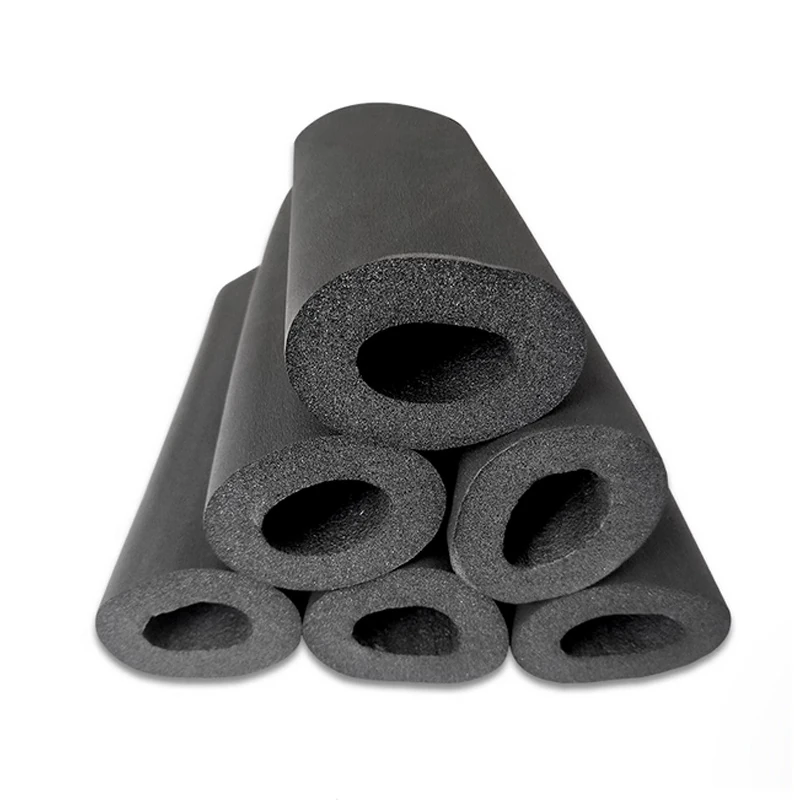
Closed-cell NBR/PVC rubber foam tubes can suit standard water lines, hot-water piping, PPR pipe, and some solar hot-water applications, provided the selected product is rated for the service temperature. Some current Insulvora rubber foam pipe ranges are rated from -40 to +105°C. Selected high-density and foil-faced ranges offer 10–110 mm inner diameters and 15–50 mm insulation thicknesses.
For hot water pipe insulation, tube ID must match the actual pipe OD. Check both dimensions and verified temperature limits for the specific range; outdoor installations also need suitable weather protection. Where these conditions or the project specification cannot be met, review a preformed mineral-fiber pipe section instead.
Preformed Glass Wool Pipe Insulation
Preformed glass wool pipe sections provide a consistent circumferential insulation thickness. Current product data covers 22–720 mm inner diameters and 25–100 mm wall thicknesses, with section ID selected against actual pipe OD.
Glass wool is a relevant route when specified by the project, when the pipe exceeds the applicable rubber foam tube size range, or when a mineral-fiber section is preferred. Confirm density, thermal conductivity, service-temperature limits, and facing requirements for the selected glass wool product before completing the hot water pipe insulation specification.
Rock Wool Pipe and Pipe Sections
For hot water pipe insulation, rock wool pipe products can be considered for hotter mechanical piping, specified rock wool systems, and larger preformed pipe-section sizes. Current Insulvora data covers 22–910 mm inner diameters and 20–150 mm insulation thicknesses. The available Rock Wool Pipe Section configurations include split sections and project-specific facing or protection options, such as aluminum foil, glass cloth, or metal jacketing.
Fabricated pieces can also be supplied for elbows, tees, valves, and flanges where required. These configurations may be useful when a system needs coordinated straight sections and fittings. Final suitability depends on the actual service and verified data of the chosen product, not on the rock wool material name alone.
Maintain Continuity at Fittings, Supports, and Equipment Connections
Straight pipe lengths are only part of a complete hot water pipe insulation system. Elbows, tees, reducers, valves, flanges, supports, and hangers can interrupt coverage. Plan the transitions between straight sections and these details while keeping valves and flanges accessible for servicing and maintaining continuity in the outer protection.
At storage tanks and heat exchangers, the pipe insulation should meet the adjacent equipment insulation without leaving large exposed transition areas.
On outdoor lines, pay particular attention to the joints, terminations, and penetrations of the protective covering, where local water entry can affect insulation condition.
Related Technical and Application Pages
For questions outside the immediate material selection, continue to the page that matches the remaining engineering decision:
Pipe Insulation R-Value
Thermal resistance and related thermal requirements.
Storage Tank Insulation
Insulation where hot-water piping connects to storage tanks.
Boiler Pipe Insulation
Boiler-connected piping beyond normal hot-water service.
Steam Pipe Insulation
Steam piping requiring a separate application route.
High Temperature Pipe Insulation
Higher-temperature industrial piping beyond standard hot-water duty.
Project Confirmation and Quotation
Planning a hot water pipe insulation project? Share the service type, available temperature information, pipe size, required thickness, installation environment, and estimated quantity. Where known, include the pipe standard, surface-temperature or heat-loss target, and any facing, jacketing, or fire requirements. You do not need to have every detail finalized before making contact.
Insulvora can review the operating conditions, narrow the appropriate rubber foam or mineral-fiber pipe-section route, confirm available dimensions and configurations, and take the project to the next quotation step.