
Duct Sound Insulation for HVAC Noise Control
HVAC duct noise can reach occupied spaces through the airstream, radiation from sheet-metal duct walls, or vibration carried by equipment connections and supports. Identifying the transmission path comes before selecting a treatment: an external wrap addresses a different problem from a duct silencer or mechanical vibration isolation.
For duct sound insulation projects that specify an external glass wool layer, Insulvora supplies foil-faced glass wool rolls and glass wool boards. The product form, thickness and facing must match the duct geometry and the specified assembly. Any acoustic performance requirement applies to the complete construction, not to the glass wool layer alone.

Duct Sound Insulation: Noise Paths and Treatments
For duct sound insulation, the first decision is whether the noise travels inside the duct, radiates through the metal wall, or passes through rigid mechanical connections. These paths can coexist in one system, but they call for different measures.
| Noise path | Typical locations | Treatment direction |
|---|---|---|
| Airborne noise inside ducts | Fans, airflow passages, elbows, branches and supply outlets | Assess duct attenuation, correctly specified silencers or acoustic liners suitable for the airstream. |
| Duct-wall sound radiation | Sheet-metal ducts near offices, plant rooms or occupied spaces | Assess an external acoustic wrap as a complete assembly, including its specified sound isolation performance and duct construction. |
| Structure-borne vibration | Fan connections, hangers, rigid joints and equipment supports | Address connection details and mechanical isolation in the equipment and support design. |
Noise Traveling Through the Airstream
Noise heard at supply outlets may originate at fans or be generated by turbulent airflow. It can also propagate through branches and bends. Treatment is therefore assessed along the airflow path, with attention to the duct layout, operating airflow and required acoustic result. For HVAC sound insulation that uses internal liners, the material must be suitable for the intended airstream and installation conditions. An external glass wool wrap should not be treated as a substitute for a silencer or an appropriately designed internal treatment.
Noise Radiating From Sheet-Metal Ducts
Large sheet-metal surfaces can radiate sound into adjacent rooms. In these situations, duct sound insulation may include an externally applied acoustic wrap. Sound isolation depends on the combined duct wall, glass wool layer, any other specified layers, and the fixing and connection details. For HVAC sound insulation, the project assembly must establish the performance requirement and construction method before the material form is selected.
Vibration transferred through fan connections and rigid supports requires separate mechanical measures. Where room reverberation rather than duct transmission is the main issue, see Noise Reduction Acoustic Panels for room-surface treatment.
Glass Wool Forms for External Duct Wrapping
When an external glass wool layer is included in a specified duct sound insulation design, the choice between flexible rolls and boards depends primarily on duct shape, installation clearance, required thickness, facing and support arrangement. Insulvora provides both forms as components of the specified external construction. Neither form should be assigned a sound-reduction value without reference to the complete assembly.
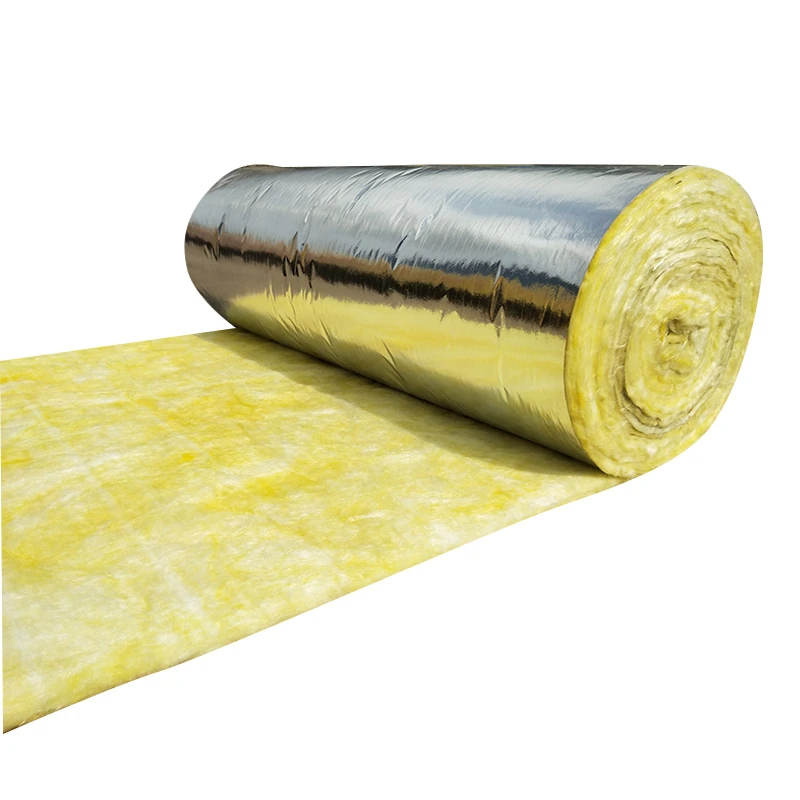
Foil-Faced Glass Wool Roll
Foil-Faced Glass Wool Roll can follow round ducts, rectangular corners, elbows and transitions, making it useful where continuous coverage over changing shapes is required. It can reduce the number of separate rigid pieces needed at irregular sections. The installed layer must still meet the specified thickness and fixing requirements.
Available roll options include 25–100 mm thicknesses and 1.2 m width, with single- or double-sided aluminum foil and standard or reinforced facing options. These configurations are used for external duct thermal insulation and, where specified, as the fibrous layer of a composite acoustic wrap. On HVAC sound insulation projects involving cold ducts, facing selection must also account for the thermal and moisture-control duties of the duct system.
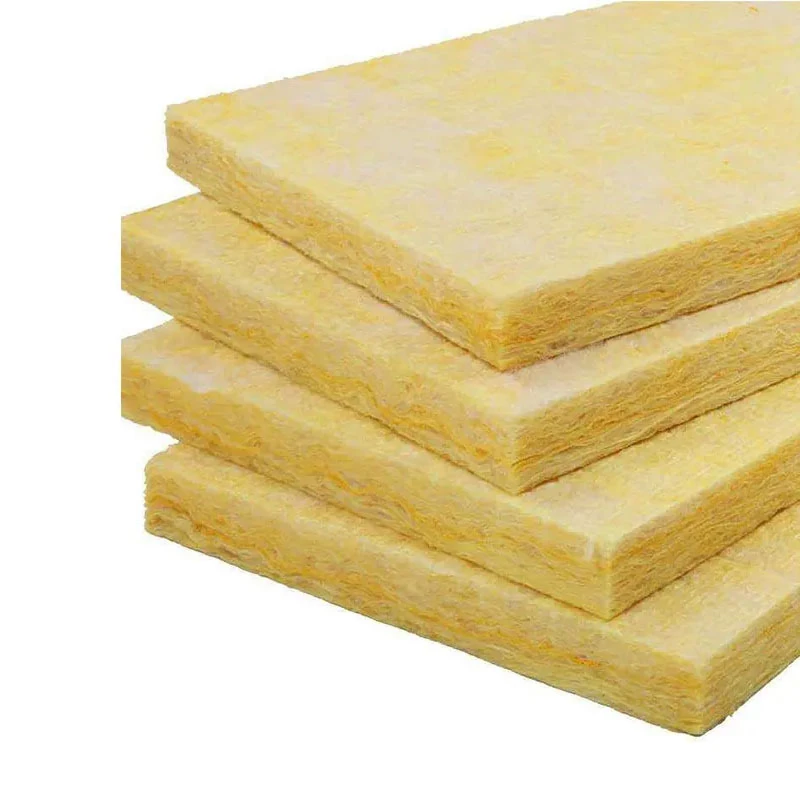
Glass Wool Board
Glass Wool Board offers a stable panel form for supported external constructions, particularly on broad, flat or rectangular duct surfaces. Boards require appropriate fastening and support; corners, changes in section and access points must be detailed so that coverage is maintained.
Available board dimensions include 20–130 mm thicknesses, 600–2400 mm lengths and 400–1200 mm widths. For HVAC sound insulation applications, density is selected from the available product configurations according to the project specification. For duct sound insulation, the choice between board and roll should follow the required construction and installation form, not an unsupported assumption that one always provides better noise reduction.
For projects where thermal insulation and condensation control are the primary objectives, see Air Duct Insulation.
Duct Sound Insulation: Continuity and Access
In duct sound insulation assemblies, the specified external layer must remain continuous across more than straight duct runs. At elbows, transitions, branches and reinforced sections, the fixing method and joint arrangement need to accommodate the actual geometry. Flexible rolls should retain their installed thickness around bends; boards must be cut, joined and supported where the construction changes. For multi-layer acoustic wraps, overlaps and connections must follow the established assembly details rather than an improvised site arrangement.
Access doors, dampers, inspection points and controls must remain serviceable. Maintain the necessary clearances and coordinate external insulation with hangers, supports, fan connections and any separately specified vibration-isolation measures. Covering a mechanical interface with insulation does not replace its isolation design.
On cold supply-air ducts, HVAC sound insulation requirements must be coordinated with thermal insulation and vapor control. Foil joints, facing seams, penetrations, terminations and support details need to preserve the continuity of the specified vapor-control system. Proper detailing helps prevent condensation and wetting of the insulation during operation; the acoustic layer must not interrupt the duct's moisture-control function.
For further guidance on external fixing, seams and different duct locations, see Duct Insulation Installation.
Duct Sound Insulation: External Wrap Material Quotes
For HVAC sound insulation projects that already specify an external glass wool layer, share the duct geometry, proposed roll or board form, required thickness, facing, material quantity and relevant assembly requirements. Insulvora can confirm available dimensions, density and facing options against the specified construction, then quote the selected glass wool material configuration.