
Fiberglass Insulation for Roof Systems
Fiberglass insulation for roof systems can use more than one glass wool product form. Depending on the roof build-up, insulation position and available installation space, a project may move toward glass wool roll, foil faced glass wool roll or glass wool board. Insulvora supplies all three forms for different roof constructions and installation conditions.
After the product form is identified, the final configuration of fiberglass insulation for roof applications still needs to match the roof structure, purlin or framing layout, available depth, thermal target and indoor humidity conditions.
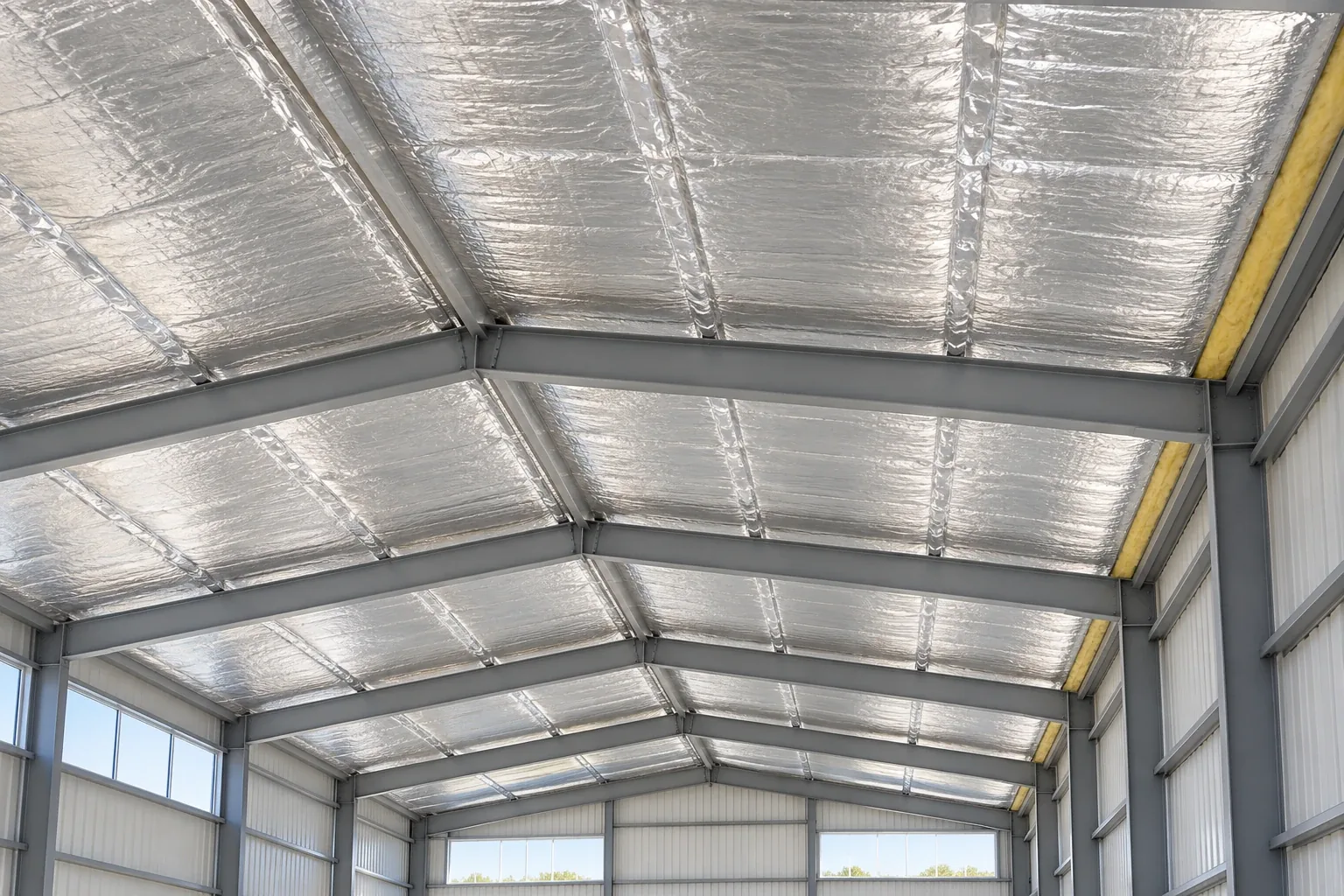
Match the Roof Build-Up to the Right Glass Wool Form
Different roof constructions first change the product form, not simply the thickness of the same insulation.
| Roof or installation condition | First product route | Conditions to confirm |
|---|---|---|
| Metal roofs, large continuous roof areas or repetitive framing/purlin zones | Glass Wool Roll | Available depth, framing spacing, compression and thermal target |
| Flexible insulation with a defined facing layer | Foil Faced Glass Wool Roll | Facing function, indoor humidity, joint treatment and continuity |
| Areas better suited to a stable panel form | Glass Wool Board | Panel space, support arrangement, dimensions and thickness |
| Thermal boundary located at ceiling or attic level | Move to the relevant ceiling or attic application | Ceiling or attic build-up rather than roof-level selection |
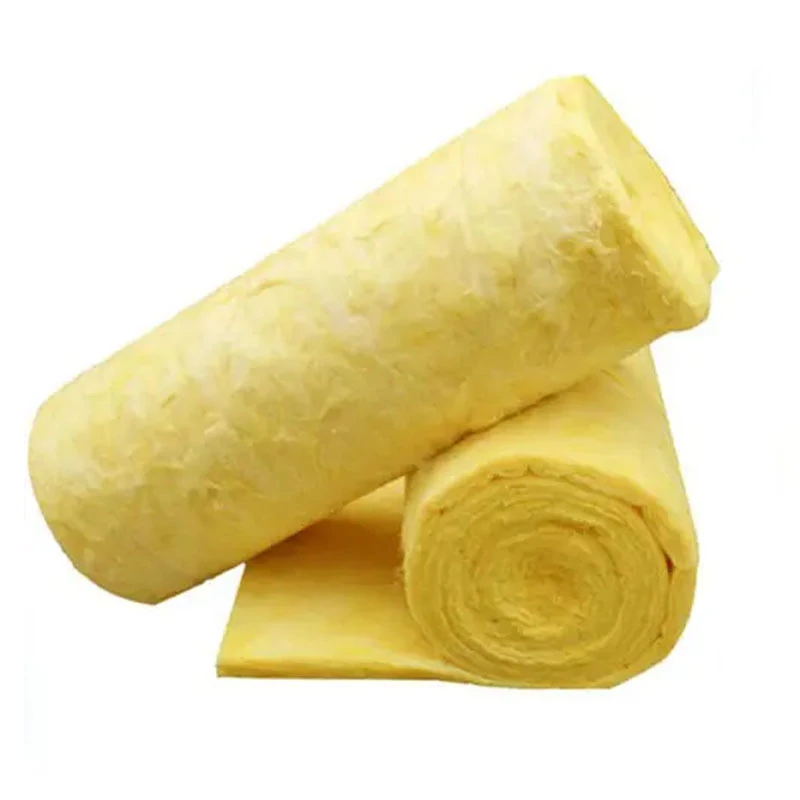
Glass Wool Roll
Flexible glass wool roll is suited to large continuous roof areas and repetitive framing or bay layouts. Insulvora glass wool roll is available in 25–100 mm thicknesses, 1.2 m standard width and 5–30 m roll lengths. These dimensions provide options for different roof depths and continuous coverage, while the final thickness still needs to match the actual installation space and thermal requirement.
For many projects, fiberglass insulation for roof applications starts with a roll format where the roof geometry favors flexible, continuous coverage.
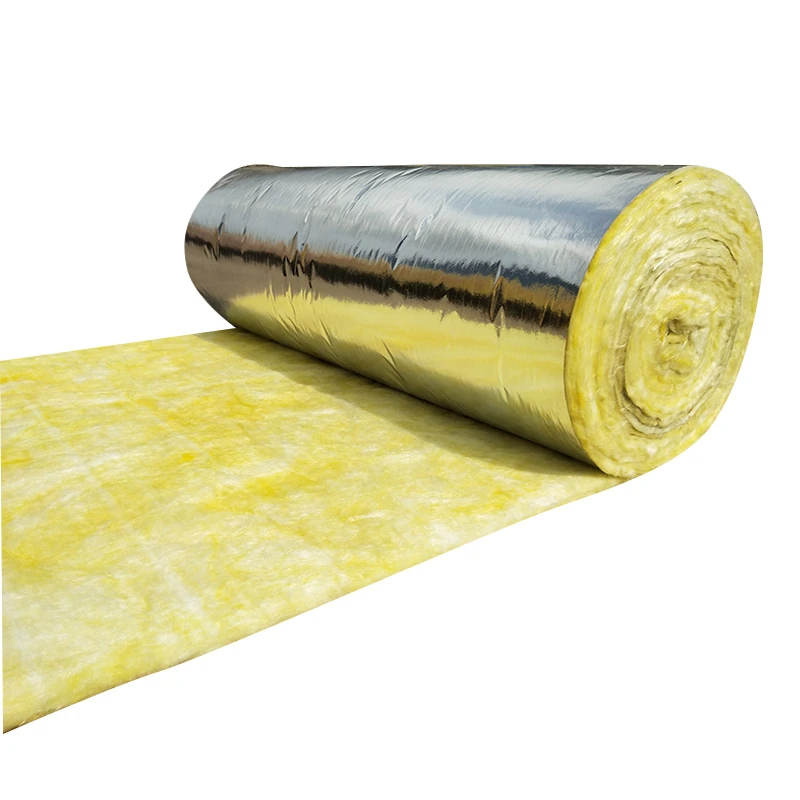
Foil Faced Glass Wool Roll
Where a roof still favors flexible roll insulation but also requires a defined surface facing, foil faced glass wool roll becomes the more relevant route. Current options include single-sided or double-sided aluminium foil, together with reinforced FRK / glass-scrim and plain facing configurations.
The facing should be considered as part of the complete roof assembly. It can contribute to the surface finish and vapor-control arrangement, but its function depends on how it works with the air, vapor, waterproofing and joint details used in the roof system.
Glass Wool Board
Glass wool board is more suitable where a stable panel form is preferred. Insulvora glass wool board is available in 20–130 mm thicknesses, 600–2400 mm lengths and 400–1200 mm widths. The panel format can be matched to defined installation spaces and support arrangements, with final dimensions selected around the actual roof build-up.
These product forms allow fiberglass insulation for roof projects to be matched to the roof geometry before detailed specification confirmation.
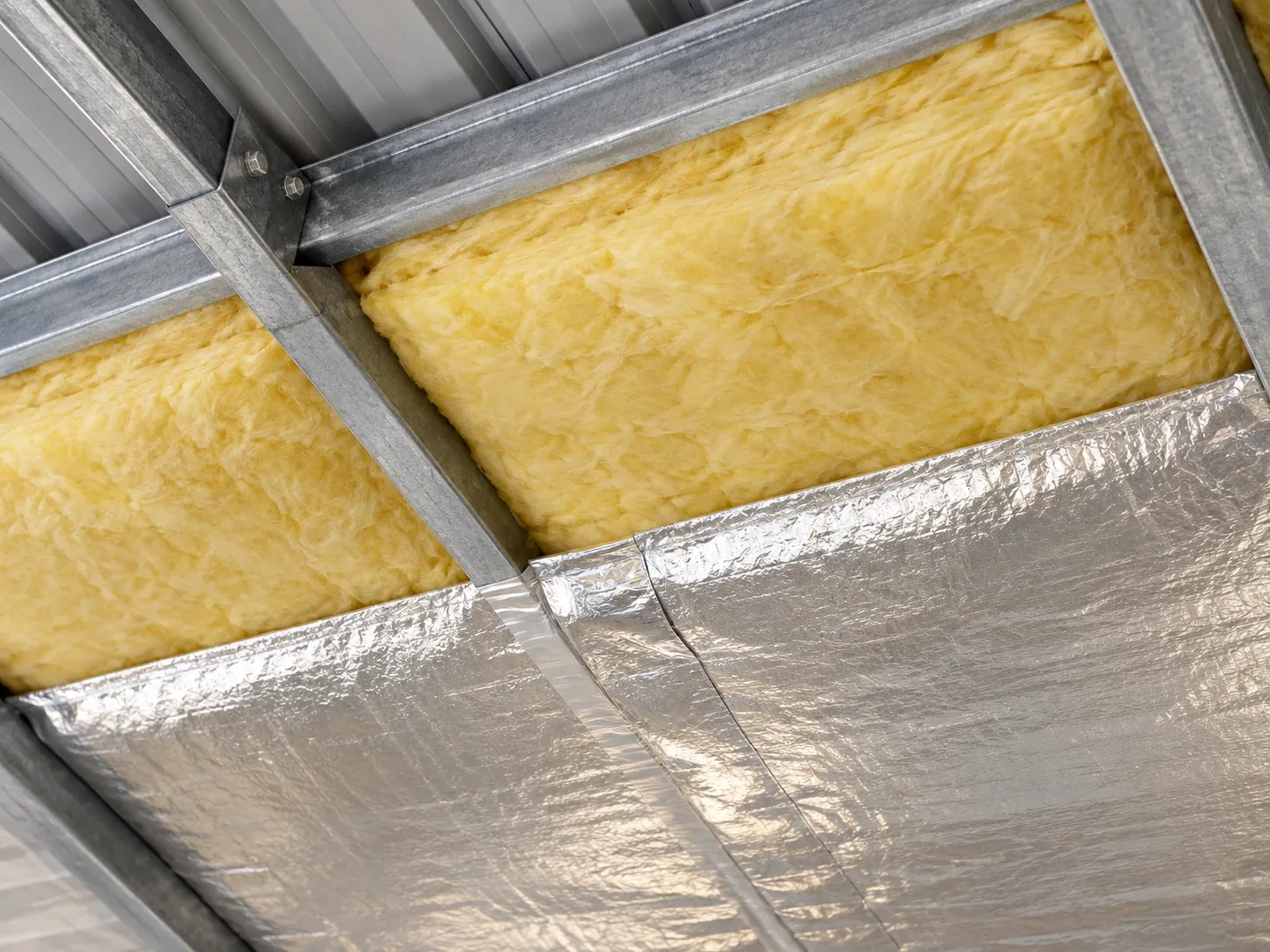
Conditions That Change the Final Roof Configuration
After the first choice between roll, faced roll and board, the roof construction still determines the final configuration.
Framing, purlins and available installation depth limit the thickness that can actually be installed. Heavy compression at framing members, purlins or fixing points reduces the effective installed thickness. Fiberglass insulation for roof projects should therefore be matched to the real installation space rather than selected from nominal product thickness alone.
Thermal requirements should follow the project-specified R-value, U-value or insulation thickness. Similar roof projects may require different thicknesses because the roof build-up and installed condition are not the same. More detailed thermal-resistance and thickness information belongs on the Fiberglass Insulation R-Value page.
In roofs with higher indoor humidity or defined vapor-control requirements, facing position and continuity become part of the configuration. The facing needs to work with the other air, vapor and waterproofing layers in the assembly rather than being selected only because the insulation has an aluminium surface.
The location of the thermal boundary can also change the application route. If it is at roof level, fiberglass insulation for roof systems remains the relevant path. If the thermal boundary is at ceiling or attic level, the project should move to the corresponding Ceiling or Attic application. A complete steel-building roof-and-wall envelope belongs in the relevant Steel Building application.
Installed Performance Depends on Continuity
Once product form and thickness are defined, fiberglass insulation for roof assemblies still depends on the installed condition.
Excessive compression at purlins, framing members and fixing points reduces local insulation thickness. Gaps at edges, penetrations and junctions interrupt the continuous thermal layer. With faced products, seams, edges and penetrations also need to remain consistent with the intended facing arrangement.
Roof insulation should therefore be reviewed as an installed assembly, not only by the nominal thickness shown on a product sheet. Product thickness, available installation space, compression points and continuity need to be considered together. Further R-value and thickness review can continue on the Fiberglass Insulation R-Value page.
Confirm the Roof Glass Wool Configuration
Share the roof type, framing or purlin layout, insulation position, available depth or required thickness, thermal target, facing requirement and roof area.
Insulvora can then match the project to Glass Wool Roll, Foil Faced Glass Wool Roll or Glass Wool Board, confirm available dimensions and facing configurations, and prepare the product specification for quotation.