
Roof Thermal Insulation for Building Envelopes
Roof thermal insulation begins with the roof assembly, not a preferred product format. Flexible glass wool is an initial option for framed or metal roofs where its full installed thickness can be maintained. A supported board layer may use glass wool or roof rock wool board, while a foil facing should have a defined function within the assembly.
The roof construction, insulation position, available depth, thermal target, indoor humidity, fire or acoustic requirements and installation method determine the next decision. Use this guide to narrow the building roof insulation route before confirming individual product specifications.
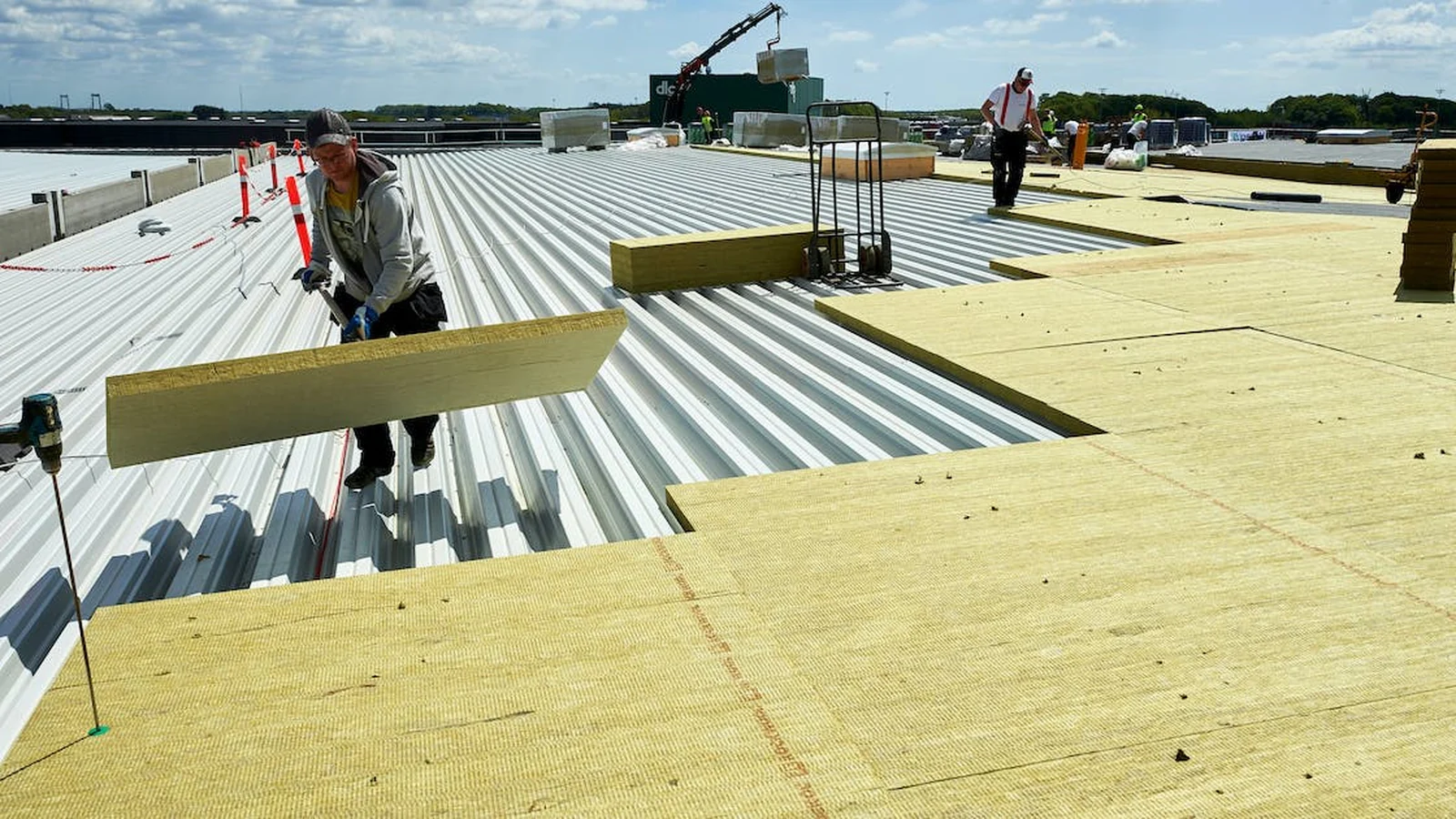
Match the Product Form to the Roof Condition
Use the following roof thermal insulation selection routes to identify the thermal boundary, support arrangement and conditions that need confirmation.
| Roof Condition or Requirement | First Route | Confirm Next |
|---|---|---|
| Metal or framed roof with repetitive bays | Glass Wool Roll or faced glass wool where specified | Purlin spacing, support, installed thickness and condensation strategy |
| Supported board layer | Glass Wool Board or Roof Rock Wool Board | Roof build-up, fixing, loading or compressive requirement and fire criteria |
| Industrial or higher-demand facility | Product-specific mineral-wool or other documented route | Normal and peak temperature, fire requirements, equipment and mechanical exposure |
| Reflective or defined foil-facing requirement | Foil-faced glass wool or Foil Roof Insulation Roll, according to the required core | Facing function, adjacent air space, vapor-control role and joint treatment |
| Thermal boundary at ceiling or attic floor | Continue to the ceiling or attic application | Identify the actual thermal boundary before choosing a roof-level product |
Commercial membrane roofs and other specialist systems require compatibility with the complete roof build-up. A product used below metal cladding is not automatically suitable beneath a membrane, mechanically loaded layer or trafficable surface. Follow the relevant application route where that roof condition controls the selection.
Conditions That Affect Roof Thermal Insulation Selection
Once the initial roof thermal insulation form is identified, available depth and the specified R-value or U-value determine the required build-up. Nominal thickness alone does not establish installed performance: compression at supports, unfilled areas and discontinuities can reduce the effectiveness of the insulation layer.
Thermal, Moisture and Performance Requirements
High indoor humidity or condensation risk may change the facing, joint treatment and air- or vapor-control arrangement without changing the bulk insulation material. Fire requirements must be checked against the relevant product grade and supporting evidence. Acoustic performance depends on the combined roof and ceiling assembly rather than a single insulation layer.
Reflective foil contributes radiant-heat control only when the installed configuration, including an appropriate adjacent air space, supports that function. It cannot replace bulk roof heat insulation where the project specifies thermal resistance. For a conductivity comparison, see Low Thermal Conductivity Insulation.
Building Roof Insulation Continuity at Junctions
Maintain roof thermal insulation continuity at purlins, roof edges, parapets, skylights, roof curbs, penetrations, eaves and roof-to-wall transitions. Check that the material remains supported and its intended installed thickness is maintained; gaps, compression and poorly coordinated connections can reduce overall effectiveness.
For building roof insulation, a facing assigned a vapor-control role must have its joints and penetrations coordinated with the designed air- and vapor-control layers. Waterproofing, drainage and weather protection remain responsibilities of the complete roof assembly rather than the insulation alone. Building Envelope Insulation covers continuity into walls and adjacent construction.
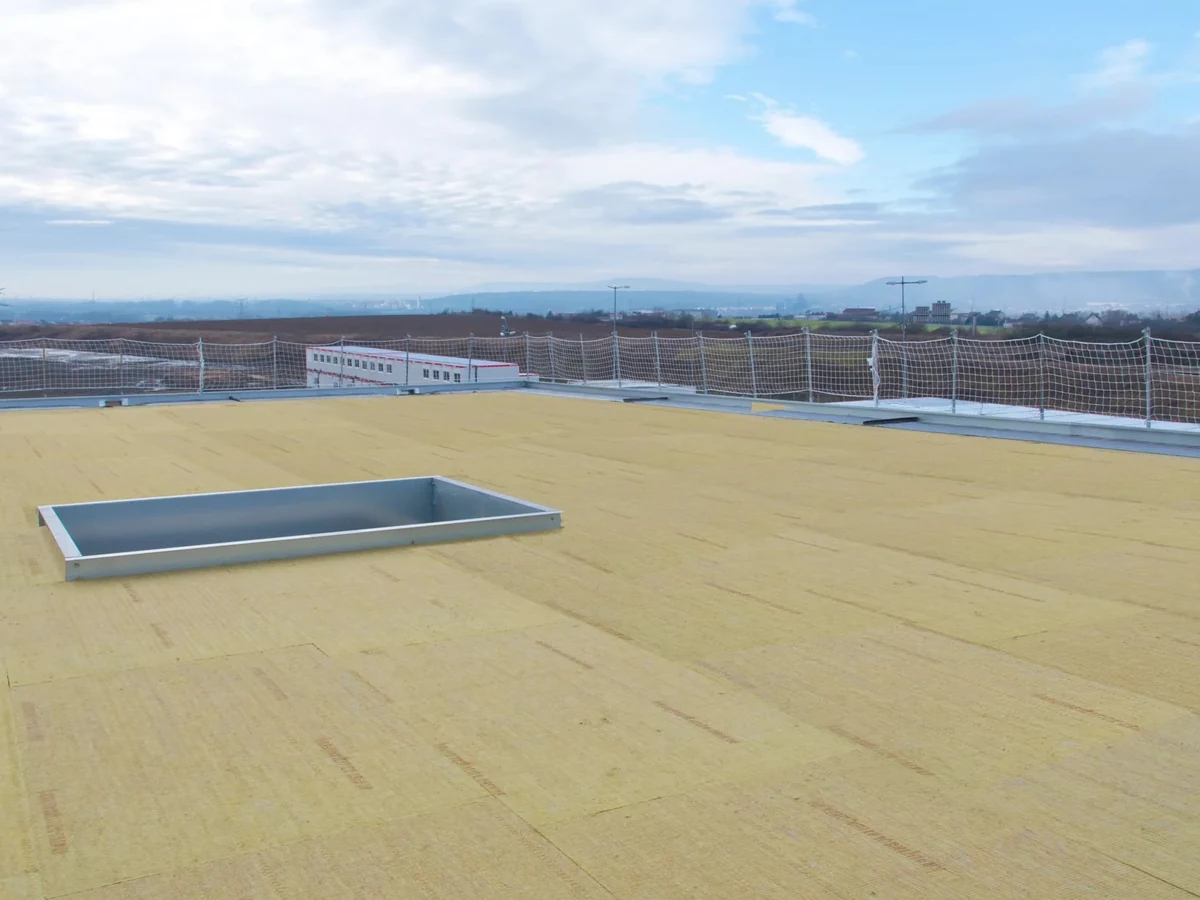
Roof Thermal Insulation Product Forms
Insulvora supplies roof thermal insulation in flexible rolls, boards and faced forms. The following dimensions describe available supply routes; suitability is determined by the complete roof assembly.
Glass Wool Roll and Foil Faced Glass Wool Roll. Glass Wool Roll is available in 25–100 mm thicknesses and 1.2 m width for broad framed or metal-roof areas where flexible coverage is suitable. Foil Faced Glass Wool Roll shares these dimensions, with plain or reinforced aluminum-facing options where the design specifies a facing function.
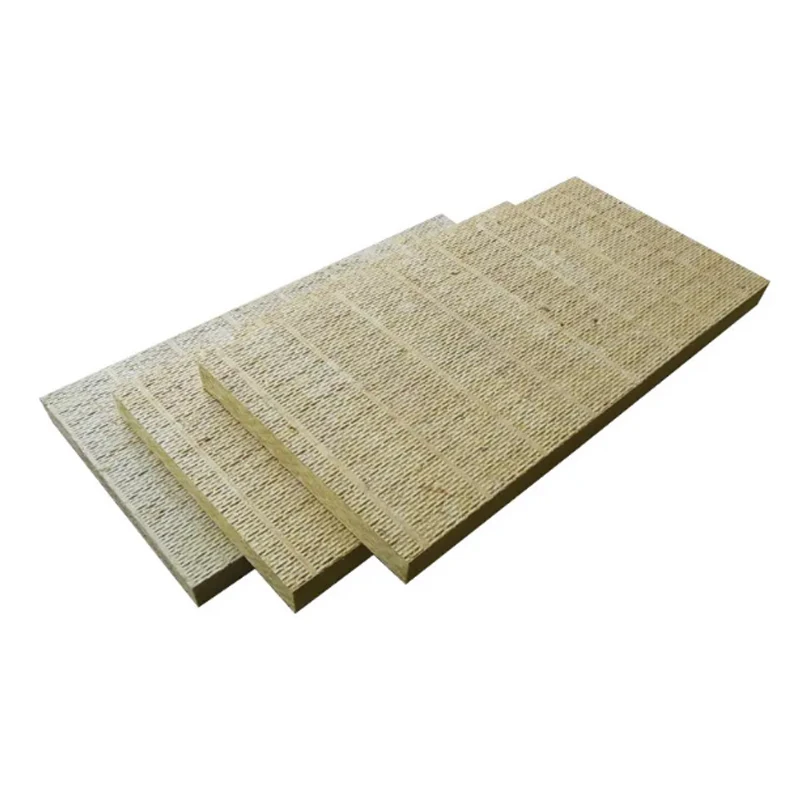
Roof Rock Wool Board and Glass Wool Board. Roof Rock Wool Board is available in 30–150 mm thicknesses, with standard dimensions of 1.2 × 0.6 m. It provides a stable mineral-wool panel route for an appropriately supported roof layer, subject to the required mechanical, thermal and fire-related properties. Glass Wool Board is a separate panel form where glass wool is specified; board density alone does not establish roof suitability.
Foil Roof Insulation Roll. Foil Roof Insulation Roll has an NBR/PVC closed-cell elastomeric foam core with aluminum facing and is available in 5, 10, 20, 30 and 50 mm thicknesses. Unlike foil-faced glass wool, it has a different core, temperature range, moisture behavior and thickness options. The two products are not interchangeable simply because both have an aluminum surface.
Continue by Roof Type or Material Route
For building roof insulation, move to the more specific application when the roof configuration or selected material is known.
| Application Page | Main Focus |
|---|---|
| Fiberglass Insulation for Roof Systems | Roof applications where glass wool is already the selected material |
| Metal Roof Insulation | Purlins, liner position and condensation |
| Commercial Roof Insulation | Roof-system compatibility and large-project procurement |
| Industrial Roof Insulation | Operating temperature, process conditions and fire requirements |
| Warehouse Roof Insulation | Large bays, support arrangements and building use |
| Foil Roof Insulation | Reflective, vapor-related and combined facing functions |
Once the roof heat insulation route is clear, consult the corresponding product page for full specifications and available forms.
Discuss Your Roof Project
Planning a roof thermal insulation project? Share the roof type, insulation position, available installation depth, R-value or U-value target and any known moisture, fire or acoustic requirements. You do not need a complete specification to inquire. Insulvora can review the stated conditions, narrow the appropriate product route and confirm the details still needed for a project quotation.