
Foil Roof Insulation
Foil-faced insulation is used in metal, tiled and other insulated roof assemblies where a foil facing serves a reflective, protective or vapor-control function. Its contribution depends on the roof build-up and the insulation behind the facing.
Insulvora supplies foil-faced NBR/PVC foam rolls and sheets, reinforced foil-faced foam, and foil-faced glass wool blankets. Flexible foam can provide non-load-bearing continuous coverage where the roof construction and installation method permit it. Glass wool is an option for supported roof cavities requiring fibrous infill. These forms are not selected on the basis of the foil facing alone.
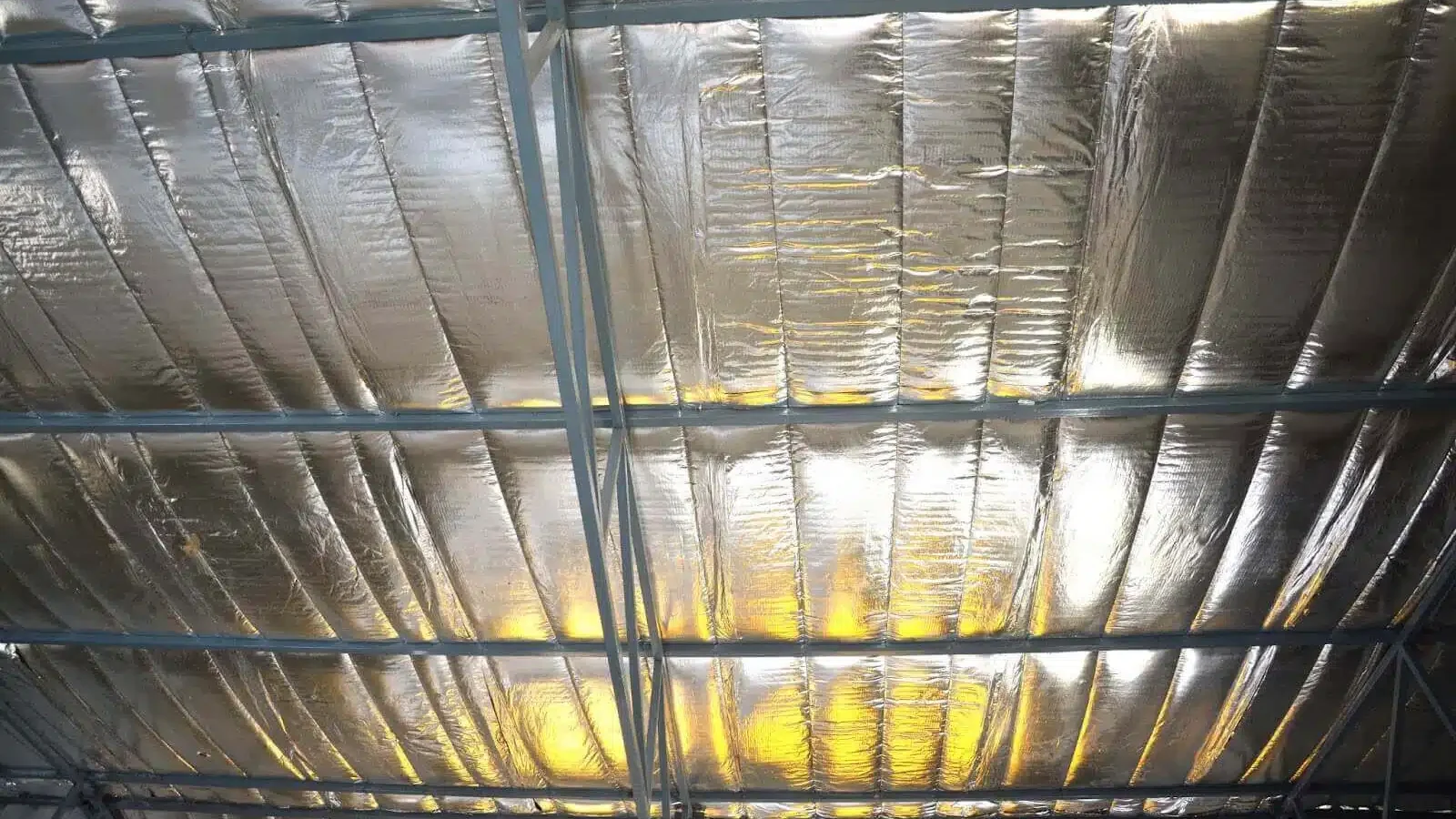
Foil Roof Insulation Products and Available Forms
Insulvora's aluminium foil roof insulation options differ in core, thickness, facing and intended position within the roof assembly.
| Product | Available Configuration | Application Direction |
|---|---|---|
| Foil Roof Insulation Roll | Closed-cell NBR/PVC foam; flexible rolls or sheets; 5, 10, 20, 30 and 50 mm; grid-pattern or double-sided foil; optional self-adhesive backing. | Non-load-bearing continuous coverage, subject to confirmation of the finished product, roof substrate, fixing or adhesive method, and project fire and smoke requirements. |
| Reinforced Foil Insulation Board | Closed-cell NBR/PVC foam; 0.10 mm reinforced foil; standard 10, 20 and 30 mm thicknesses; facing and adhesive options. | Where a reinforced surface, finish or adhesive configuration is specified. The reinforcement does not make the foam board load-bearing; finished-product and roof-assembly requirements still apply. |
| Foil Faced Glass Wool Roll | Glass wool core; 25–100 mm; single-sided, double-sided or FRK-reinforced foil facing. | Supported roof cavities requiring fibrous bulk insulation with a foil facing. |
Roof Conditions That Affect Foil Insulation Selection
Aluminium foil roof insulation may be chosen for radiant-heat control or as insulation supplied with a foil facing. Radiant reflection requires an adjacent air space; foil in direct contact with another layer cannot provide the same effect. Overall thermal resistance depends on the insulation and the complete roof build-up, not the facing by itself.
For roofs exposed to condensation risk, the facing position and continuity of joints affect vapor control. Where the facing is intended to serve as a vapor-control layer, open laps and penetrations can weaken that function. Foil alone does not replace a roof-specific moisture-control design.
In metal roofs, purlins and fasteners affect support and continuity. Beneath tiled roofs, the location of the insulation and its backing support must also be considered. Direct bonding requires compatible substrates and adhesives. For further information on material properties, see Low Thermal Conductivity Insulation.
For foil-faced NBR/PVC foam, assess the complete finished product—including the facing and adhesive, where supplied—against its location and the project's fire and smoke criteria. A foil facing does not make the underlying foam non-combustible.
Roof Seams, Penetrations and Assembly Interfaces
Overlaps, fasteners and penetrations can interrupt the insulation layer or its foil facing. Around vents, skylights and equipment curbs, continuity is needed between the insulation, its facing and adjoining roof layers. The appropriate junction detail depends on the position and function of each layer.
If the facing performs a vapor-control function, laps and penetrations must be sealed using materials compatible with the selected foil and fixing method. Tears, open edges and separation can compromise continuity, including with reinforced foil or self-adhesive products.
At eaves, ridges and wall junctions, insulation continuity must be addressed separately from waterproofing. Foil-faced insulation is not an exposed waterproof roof covering: weather protection and drainage remain functions of the roof system. For metal-roof details around purlins and fasteners, see Metal Roof Insulation.
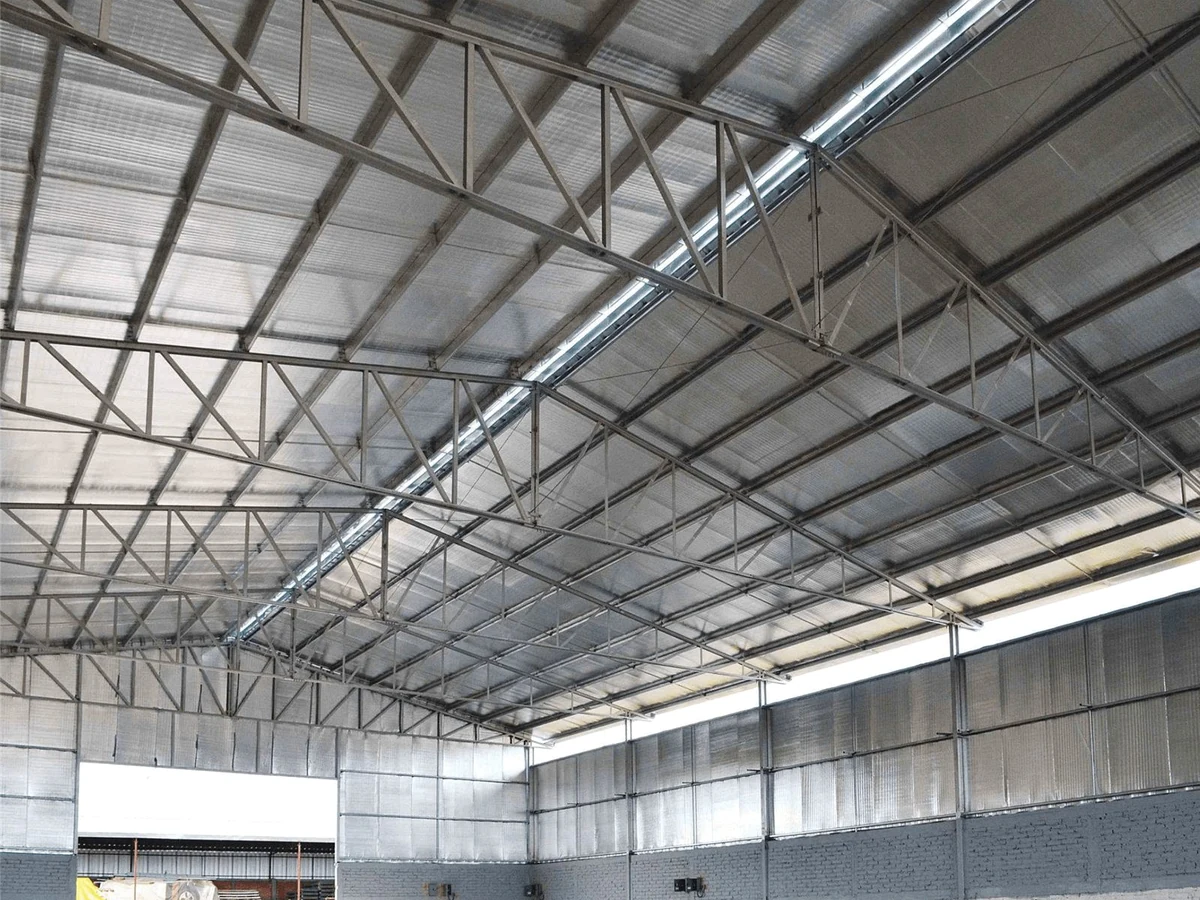
Discuss Your Foil Roof Insulation Project
For an aluminium foil roof insulation inquiry, provide the roof type, installation position, thermal target, indoor moisture conditions, substrate and proposed fixing or adhesive method. Include expected exposure, required fire or smoke classification, and any required dimensions.
With these details, Insulvora can check the available core, thickness, facing, adhesive and supply dimensions against the stated roof construction and its support conditions before quotation. The quotation can then identify the configuration available for the project.