Industrial Roof Insulation for High-Demand Facilities
Industrial roof insulation must match both roof construction and plant operating conditions. Rock wool boards are a starting point for continuously supported decks, while glass wool rolls suit metal roofs with suitable support or liners. Local process heat, humidity, fire requirements and rooftop equipment can affect the final specification. Insulvora supplies both formats, including foil-faced roll options.
Insulation Products and Forms
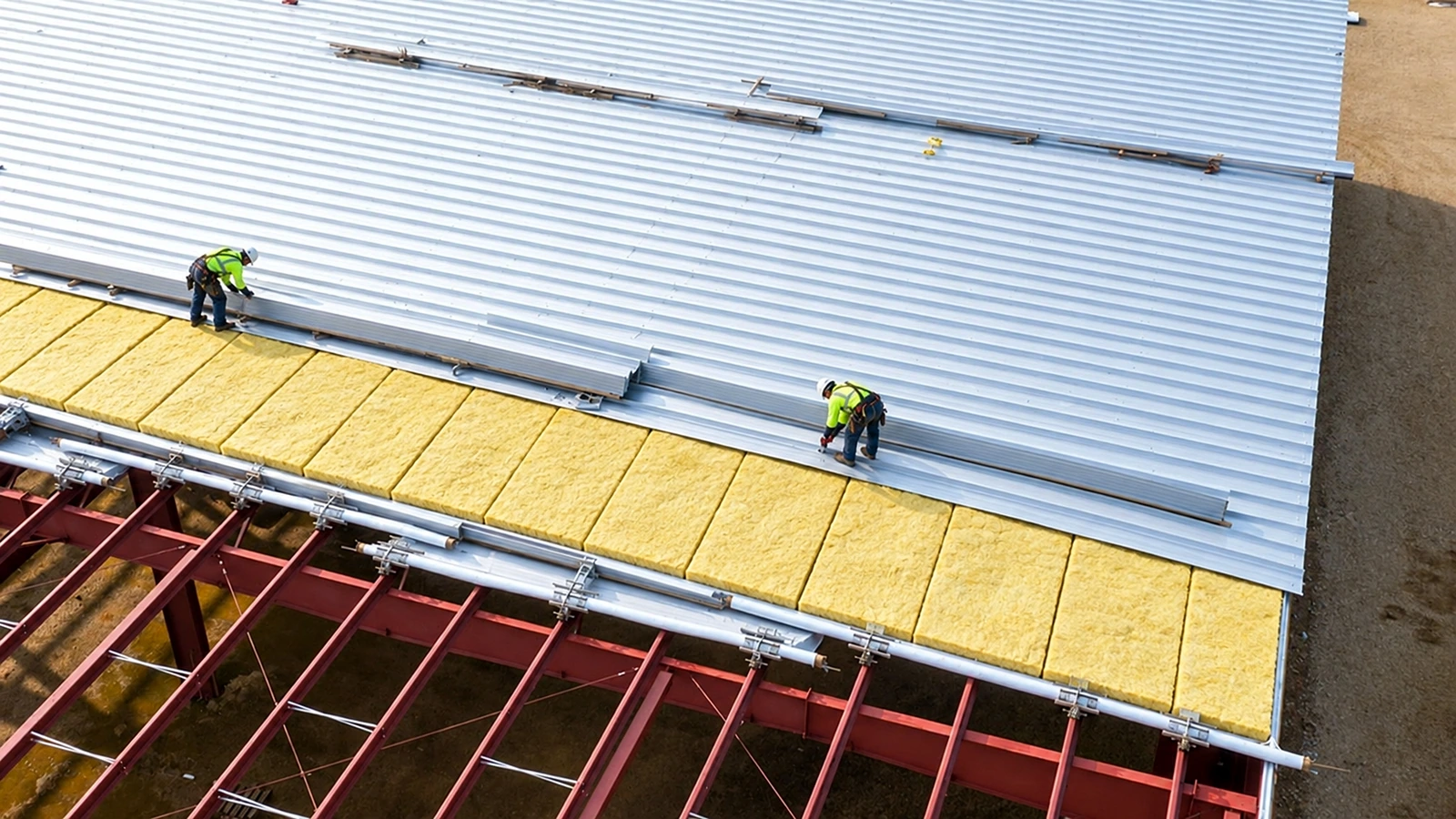
For continuously supported roof decks, Insulvora's Roof Rock Wool Board provides an over-deck insulation layer. Boards are available in 30–150 mm thicknesses and a standard size of 1,200 × 600 mm. Selection must account for compressive performance and fixing arrangements, particularly where loads are transferred through the insulation.
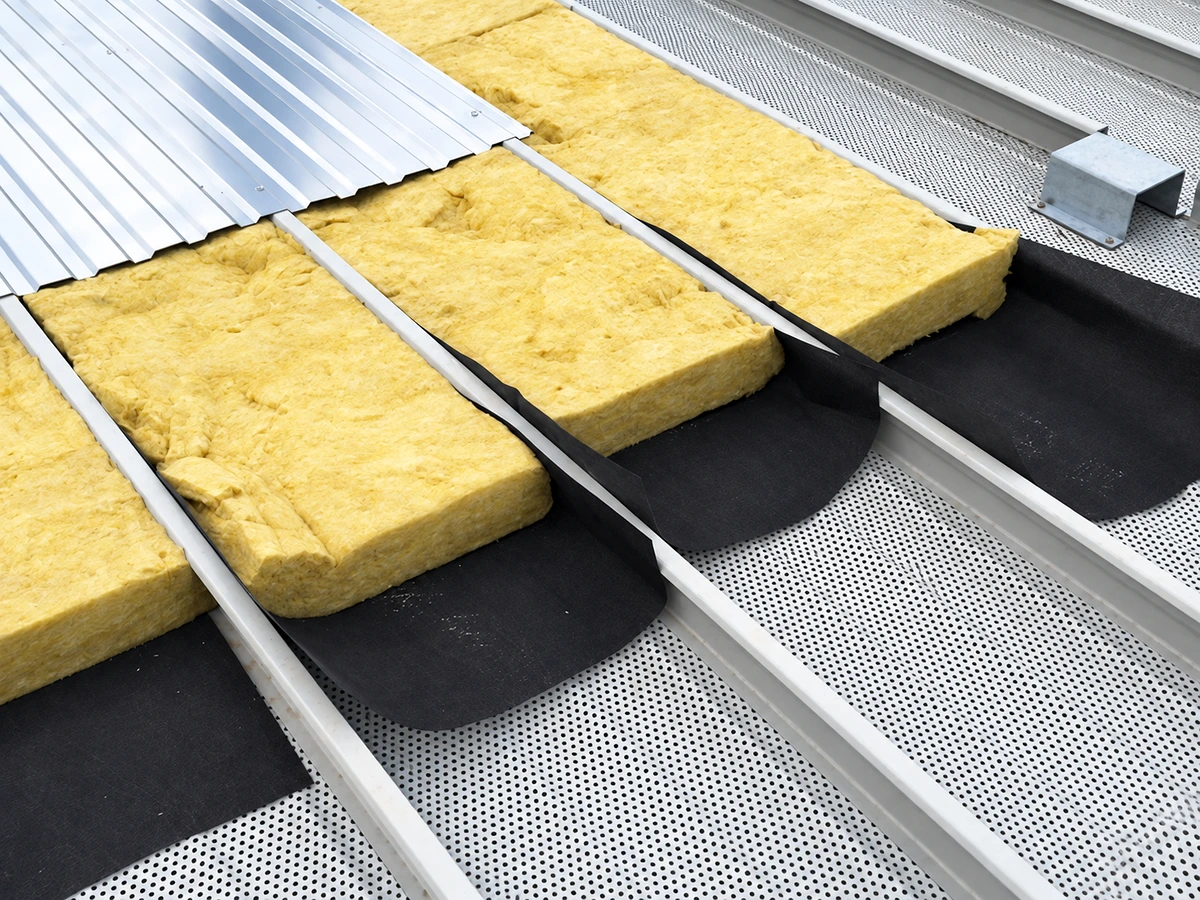
Where industrial roof insulation is installed between purlins or above supported liners, Glass Wool Roll provides flexible coverage across metal roof bays. Insulvora supplies 25–100 mm thicknesses with a standard width of 1.2 m. Suitable retention helps prevent sagging and compression, while closely fitted edges maintain insulation continuity around structural members.
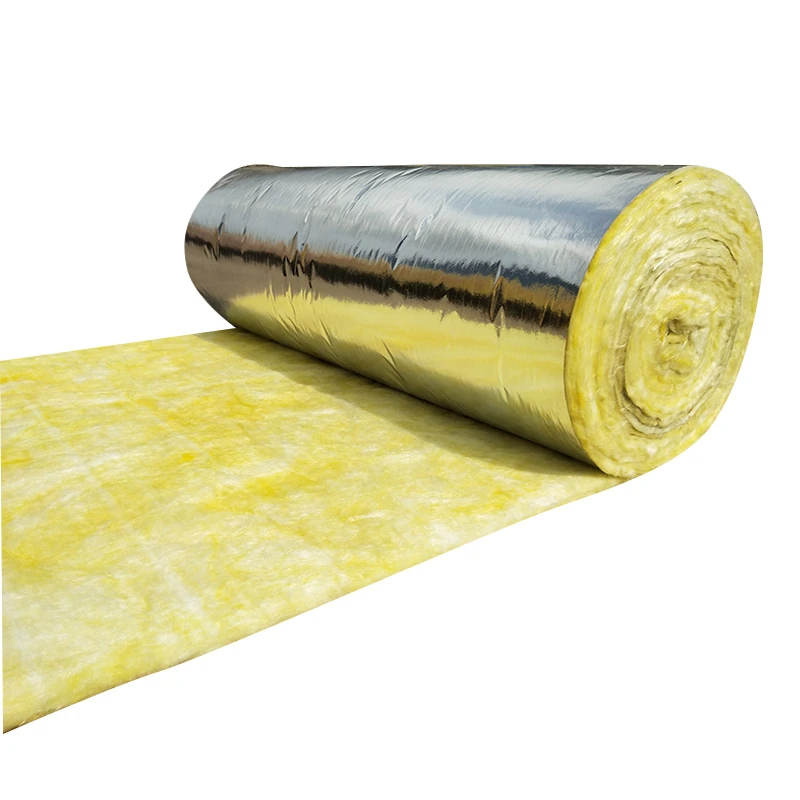
When foil facing is specified, Foil Faced Glass Wool Roll is available with single-sided, double-sided and reinforced foil options. Effective vapor control depends on facing continuity and sealed joints. For elevated-temperature locations, the service limit of the complete faced product must be checked, including its facing and adhesive layers rather than the glass wool core alone.
Operating Conditions That Affect Material Selection
Equipment operating temperatures do not necessarily represent the temperatures experienced by industrial roof insulation. Exhaust stacks, hot pipework and process equipment can create localized hot zones near roof penetrations. These areas may need a different insulation grade or protective detail without changing the material across the entire roof.
Rock wool, glass wool and faced composites have different service temperature limits. The selected product grade and facing construction must suit the actual exposure conditions. See High Temperature Insulation Materials for applications requiring specialized thermal protection.
In humid facilities, warm indoor air escaping through roof joints can reach colder surfaces and cause condensation. Insulation position, air sealing and continuity of vapor-control details therefore matter. Foil facing alone cannot correct unsealed joints or penetrations.
Fire requirements should be checked against relevant product evidence and the specified roof assembly. A material's fire classification does not establish the fire performance of the complete system.
Roof Protection and Service Interfaces
Roofing, membranes, flashings and seals protect the insulation layer against moisture; the insulation itself is not waterproofing. Corrosive atmospheres and frequent washdowns may also affect protective layers, fasteners and joint materials.
Fans, exhaust stacks, pipe penetrations and equipment curbs interrupt the roof surface and insulation layer. Poorly detailed transitions can create thermal gaps and moisture-entry paths. For industrial roof insulation near rooftop equipment and maintenance routes, appropriate structural support and mechanical protection are necessary; board density alone does not establish the roof assembly's load-bearing capacity.
For broader roof construction details, see Roof Insulation. For purlin arrangements and fixing details, see Metal Roof Insulation.
Discuss Your Industrial Roof Project
To request an industrial roof insulation quotation, provide the roof construction and insulation position, roof area, thermal targets, operating temperatures, humidity and fire requirements. Include equipment penetrations, documentation requirements and the delivery destination.
Insulvora will review these details against available product forms, dimensions and relevant performance data to confirm suitable supply options and the quotation scope.