
Metal Building Wall Insulation
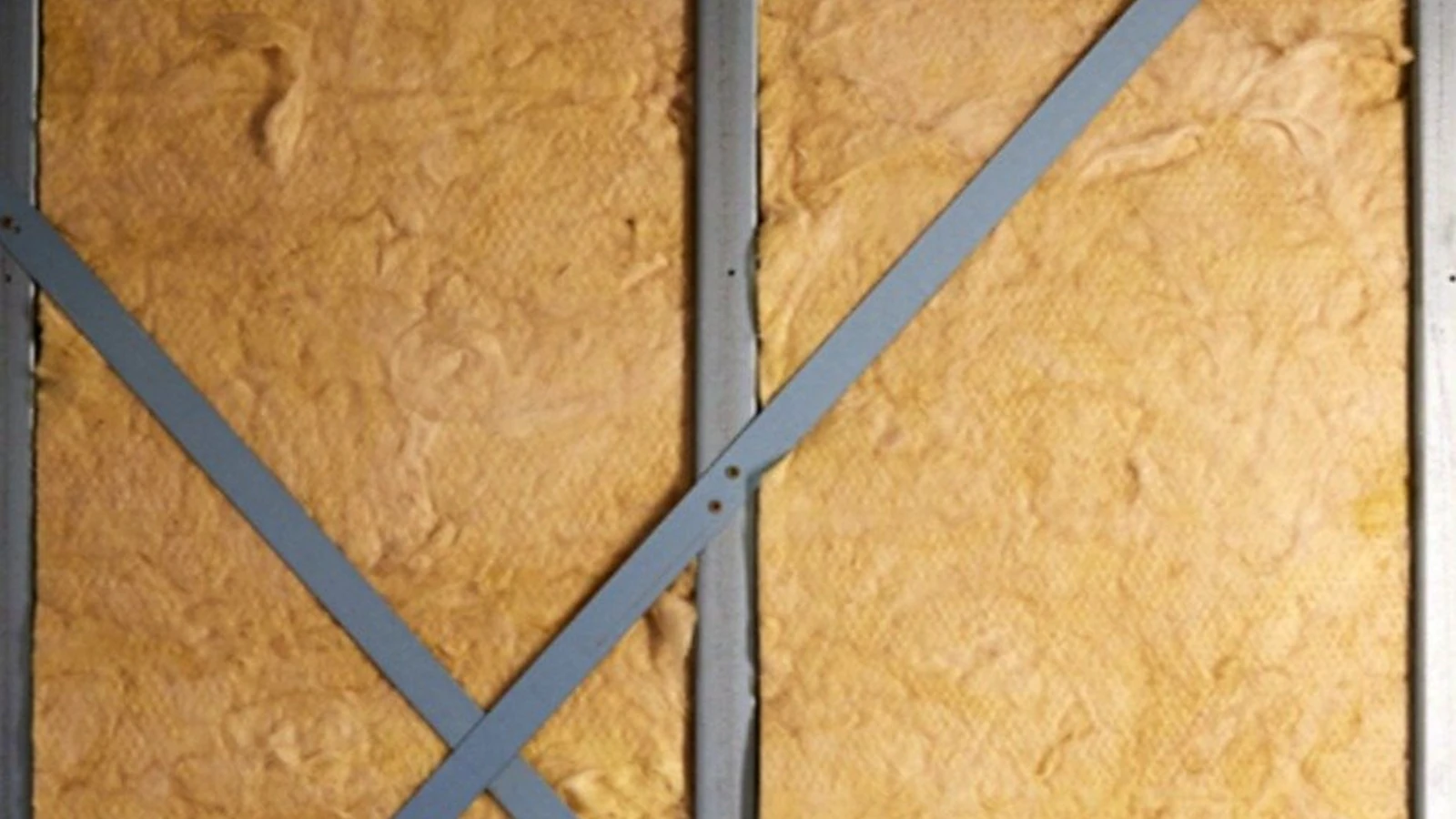
Metal building wall insulation should match the wall construction and support arrangement. Glass wool rolls suit framed cavities that need flexible coverage, while glass wool and rock wool boards suit defined insulation zones with suitable fixing. Prefabricated sandwich walls use finished rock wool sandwich wall panels instead of loose insulation within the framing. The best insulation for metal building walls must also suit the cladding, steel members, available space and specified performance.
For metal building wall insulation projects, Insulvora supplies rolls, boards and sandwich panels with thickness, density and facing selected for the proposed wall section.
Metal Building Wall Insulation Products and Selection
Finding the best insulation for metal building walls starts with wall type. Single- and double-skin framed walls, defined board-insulation zones and prefabricated sandwich walls require different arrangements. The table connects each construction with a product direction and the installation details to verify.
| Wall construction | Product direction | Main considerations |
|---|---|---|
| Framed cavities and liner walls | Glass Wool Roll or Glass Wool Board | Cavity dimensions, frame spacing and vertical retention |
| Defined board-insulation zones | Glass Wool Board or Rock Wool Board; Exterior Wall Rock Wool Board in compatible external systems | Board position, fixing arrangement and specified performance |
| Prefabricated sandwich walls | Rock Wool Sandwich Wall Panel | Panel dimensions, joints, structural supports and connections |
For framed metal building wall insulation, Glass Wool Roll provides flexible coverage across continuous or irregular cavities and around framing members. Insulvora supplies rolls in 25–100 mm thicknesses. Glass Wool Board provides a defined board form in 20–130 mm thicknesses and 24–100 kg/m³ densities. Cavity depth, steel-frame spacing and the chosen support arrangement determine the practical installation thickness. Vertical installations need adequate retention to avoid sagging or exposed areas.
For board-based metal building wall insulation, Rock Wool Board is available in 30–150 mm thicknesses and 60–200 kg/m³ densities. Exterior Wall Rock Wool Board is a separate route where boards are placed externally within a compatible wall system. The choice between glass wool and rock wool boards also depends on fixing methods and specified fire or acoustic criteria; density by itself does not establish suitability.
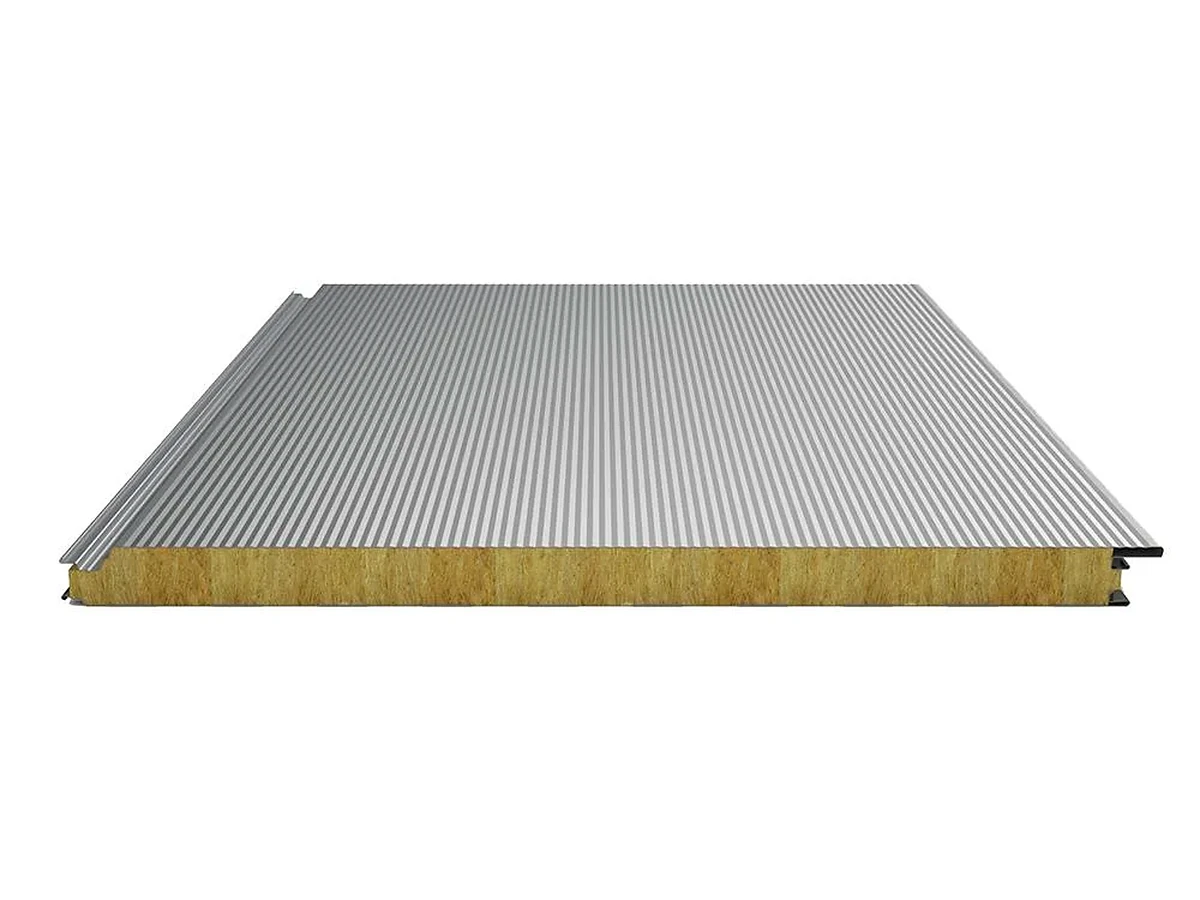
A Rock Wool Sandwich Wall Panel is a finished wall-panel product, not insulation installed between steel studs. Its core thickness, metal facings, finished dimensions, joints and support connections must match the proposed panel system. For prefabricated construction, the best insulation for metal building walls is therefore assessed as a complete panel arrangement, not as a loose insulation material.
When a wall design calls for a facing, Foil Faced Glass Wool Roll is available with single- or double-sided aluminum foil, in plain or reinforced forms. Facing orientation and any required air space affect the reflective function. Vapor-control suitability also depends on the wall's air-sealing and moisture-control strategy.
Performance of the Complete Metal Wall Assembly
Metal building wall insulation must work with steel studs, girts, fasteners and panel connections, all of which can form thermal bridges. Insulation between framing members does not eliminate heat transfer through steel. Increasing the material's nominal R-value may therefore produce a smaller improvement in whole-wall performance than expected. Installed layer positions, continuity and structural connections influence the resulting wall R-value or U-value.
Continuous coverage is equally important. Gaps at framing intersections, panel joints, openings and service penetrations can bypass insulation, while sagging or excessive compression reduces effective coverage. If the design includes an additional continuous insulation layer, its position and attachment must remain compatible with the cladding and structural connections. These details affect metal building wall insulation even when the selected product meets its stated specification.
Moisture control depends on indoor and outdoor conditions, air leakage, facing position and joint sealing. In humid interiors or where temperature differences are large, insulation, air-sealing and vapor-control layers must operate together. A foil facing cannot correct discontinuous seals or an unsuitable wall arrangement. To identify the best insulation for metal building walls, assess condensation risk across the wall assembly rather than relying on the facing alone.
Glass wool and rock wool both provide porous sound absorption, but whole-wall sound isolation also depends on linings, framing connections and sealing. When evaluating the best insulation for metal building walls, fire and acoustic requirements should be checked against the relevant product information and the intended wall construction.
For additional engineering detail, see Metal Building Insulation R-Value for thermal bridges and whole-wall calculations, and Metal Building Insulation Installation for fixing, joints and layer continuity.
Project Specification and Quotation
To review a metal building wall insulation project, provide the proposed wall construction, frame spacing, cavity depth, insulation position and project location. Include the target R-value or U-value, indoor conditions, facing needs and any specified fire or acoustic criteria. For sandwich walls, panel dimensions, joints and support requirements are particularly important.
Insulvora can use this information to review available roll, board or sandwich-panel configurations and confirm suitable thickness, density and facing options, together with the required quantities. A quotation can then be prepared against the agreed product specification and purchasing requirements.
Discuss Your Metal Wall Insulation Project
Share your wall section and performance requirements to confirm the available product route and quotation details.