
Metal Duct Insulation for Condensation & Thermal Control
Metal duct insulation should be selected according to the operating conditions of the sheet-metal duct, not by material type alone. Cold supply ducts in humid air need both thermal insulation and reliable condensation control. Other systems may be driven primarily by thermal resistance, available installation space or the required facing. Outdoor ductwork also needs protection from weather and mechanical exposure.
Insulvora supplies foil-faced glass wool rolls, glass wool boards and closed-cell rubber foam boards for these different routes. The appropriate thickness, facing and system configuration are confirmed against duct temperatures, surrounding conditions and project requirements.
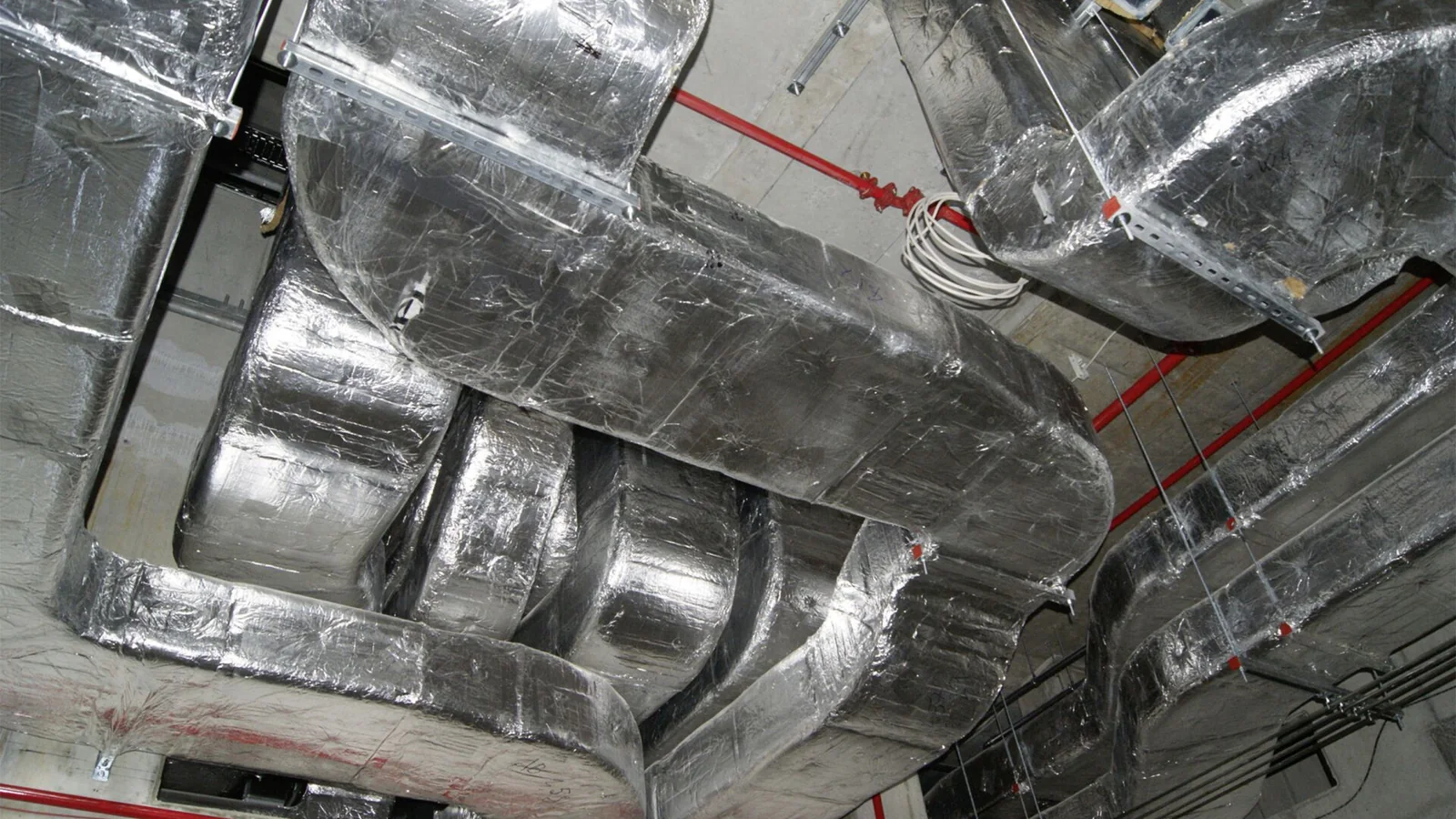
Metal Duct Insulation Selection Guide
Start with the condition that governs the duct rather than choosing a product from its shape alone. For a cold duct, compare the metal-surface temperature with the surrounding air's dew point. If condensation is possible, the insulation and vapor-control construction must prevent humid air from reaching cold metal. Where condensation is not the governing issue, the required thermal resistance, available thickness and preferred installation form become more important.
| Metal duct condition | First route to consider | What still needs confirmation |
|---|---|---|
| Cold supply duct in a humid environment | Closed-cell rubber foam board or sheet; alternatively, a faced glass wool system with continuous vapor control through the facing and joint construction | Surface temperature, ambient temperature and relative humidity, thickness and vapor-control approach |
| Metal duct mainly requiring thermal insulation | Foil-faced glass wool roll | Thermal target or R-value, installed thickness, duct dimensions and facing requirement |
| Flat rectangular duct where a board form is preferred | Glass wool board | Board thickness and dimensions, installation space and specified performance |
| Outdoor metal duct | Glass wool or rubber foam matched to the thermal requirement, with suitable external protection | Weather exposure, mechanical protection and outer construction |
| Acoustic-led application | First distinguish external thermal insulation from internal acoustic treatment | Acoustic target, installation position and system construction |
An external glass wool system may contribute to both thermal and acoustic performance, but it should not be assumed to replace an internal acoustic liner. Where a project specifies an R-value, thickness, fire requirement or other performance criterion, the proposed metal duct insulation configuration must be checked against the relevant product data. For additional guidance on thermal targets, see Duct Insulation R-Value. For systems led by sound-control requirements, see Duct Sound Insulation.
Insulvora Product Routes for Metal Duct Insulation
The three product forms below serve different installation requirements. The selection guide identifies a starting route; final metal duct insulation specifications depend on the selected form, actual dimensions, facing and operating conditions.
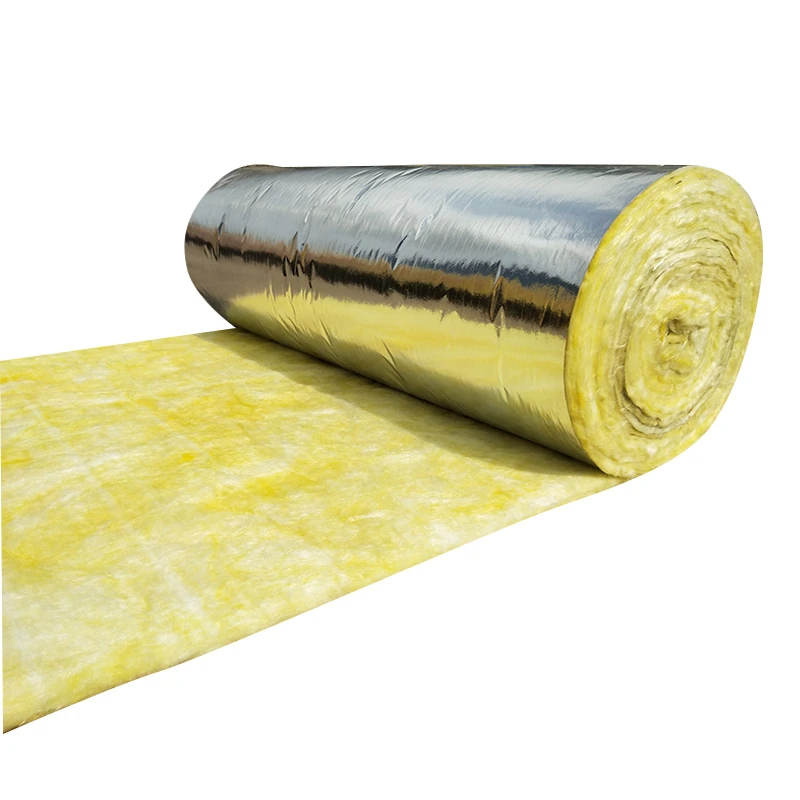
Foil Faced Glass Wool Roll
This flexible roll format is suitable for duct projects that need an outer facing and relatively continuous coverage of larger surfaces. Insulvora's current range includes 25–100 mm thicknesses and a standard width of 1.2 m. Options include single- or double-sided aluminum foil, plus FRK / glass-scrim reinforced facing. The selected facing and joint treatment must meet the overall system requirement.
Glass Wool Board
Glass wool board provides a stable panel form for flat duct surfaces or projects specifying board-type insulation. Available thicknesses are 20–130 mm, with lengths of 600–2400 mm and widths of 400–1200 mm. Board dimensions must fit the duct geometry and installation space; specified performance is confirmed from the individual product information.
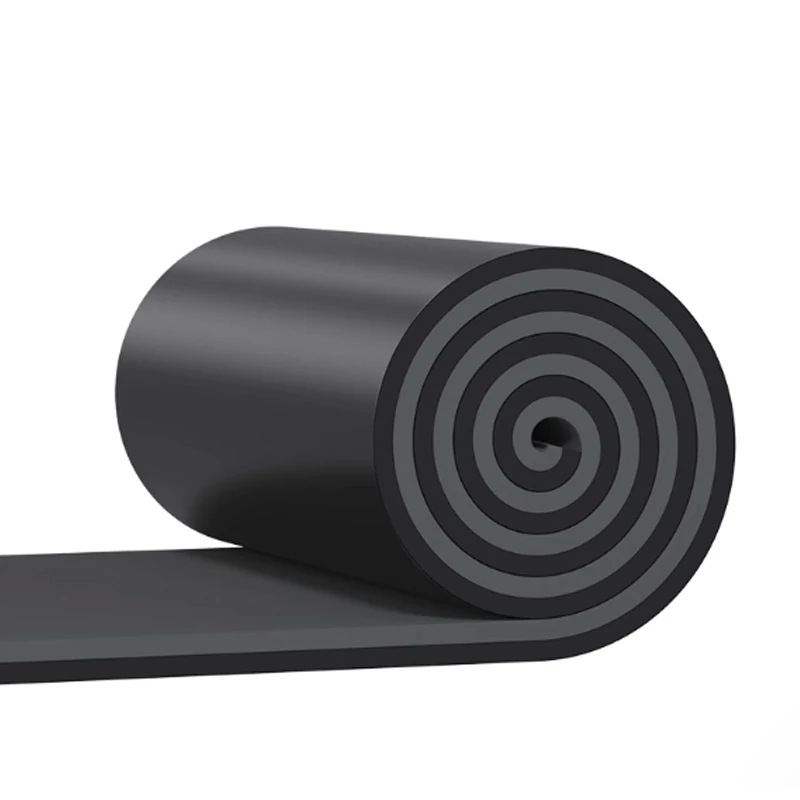
Foil Faced Rubber Foam Board
Closed-cell NBR/PVC rubber foam board offers flexible insulation with moisture-control characteristics for cold metal ductwork. Current thickness options are 5 / 10 / 20 / 30 / 50 mm. Available configurations include square or grid aluminum-plate facing, self-adhesive backing and double-layer composite forms. Thickness, facing and backing are matched to the operating temperature, ambient humidity and project construction.
Continuity at Metal-Duct Details
Material selection alone does not complete a metal duct insulation system. On cold ducts, seams, flanges, stiffeners and transitions can interrupt the insulated surface. Gaps in the insulation or vapor-control layer at these points can allow humid air to reach exposed metal and create localized condensation.
Hangers and structural supports should not leave large compressed or uninsulated areas. Access doors and serviceable components must remain usable, while their frames and surrounding insulation are addressed. On outdoor sections, the completed assembly also needs outer protection suited to rain, sunlight and mechanical exposure.
Detailed fixing and joint-treatment methods belong in the installation specification. At the selection stage, confirm that the material and proposed construction can remain continuous around actual duct details. See Duct Insulation Installation for related installation considerations.

Confirm Your Metal Duct Insulation Requirement
To request a product or bulk-supply quotation, send the duct operating or surface temperature, ambient temperature and humidity, duct dimensions, required R-value or thickness, and any facing, acoustic, fire or outdoor exposure requirements.
Insulvora can review the suitable material route, available product dimensions and facing options, then confirm the proposed supply configuration in the quotation.