
Rock Wool vs Fiberglass: Performance and Application Differences
Rock wool and fiberglass (glass wool) both provide thermal insulation and sound absorption, but they are not interchangeable in every application. Rock wool is often preferred for higher-temperature service, dimensionally stable boards, and installations with specific mechanical requirements. Fiberglass offers practical advantages in lightweight insulation, flexible installation, building cavities, and conventional HVAC systems.
In a rock wool vs fiberglass comparison, thermal conductivity alone rarely determines the better choice. Products with similar thickness and conductivity can provide comparable thermal resistance. Service temperature, product form, fire requirements, installation conditions, and total installed cost often make the difference.
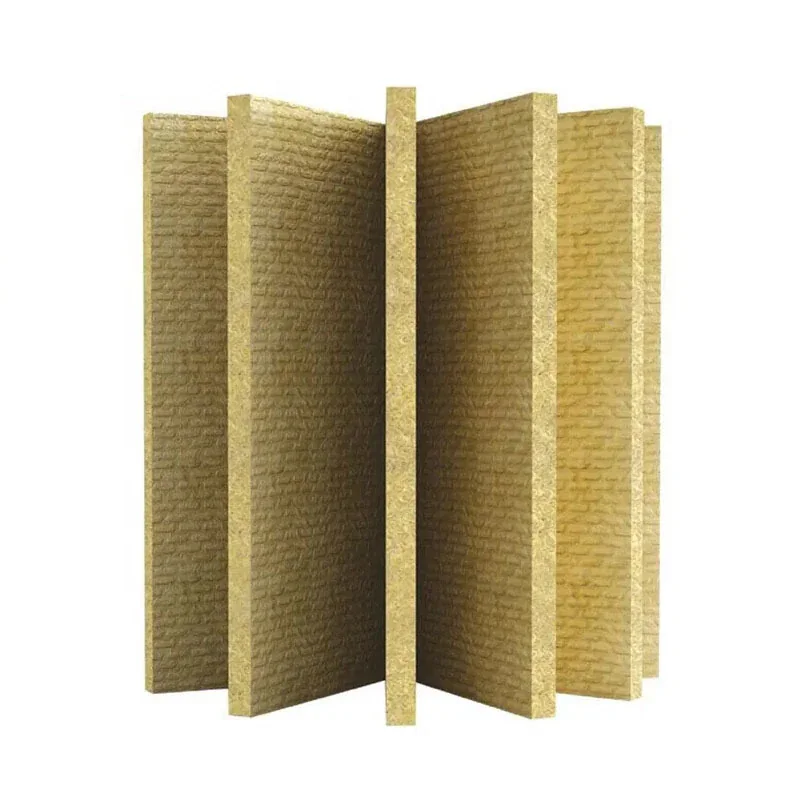
Three Conditions for a Reliable Comparison
- Compare matched productsUse comparable thickness, conductivity measurement conditions, product forms, and intended applications.
- Evaluate the required performanceMechanical, acoustic, and fire characteristics depend on the selected grade and complete assembly.
- Consider installation conditionsMoisture control, compression, facings, protective coverings, and labor affect installed performance.
Rock Wool vs Fiberglass: Key Performance Differences
| Selection factor | Rock wool | Fiberglass / glass wool |
|---|---|---|
| Fiber source | Inorganic fibers produced from molten rock and other mineral raw materials | Inorganic fibers produced from molten glass |
| Thermal insulation | Low thermal conductivity for building and industrial insulation | Similarly low conductivity, with substantial overlap across common product ranges |
| Temperature capability | Broad selection of grades for higher-temperature industrial insulation | Building and mechanical insulation, including grades designed for elevated temperatures |
| Density and form | Commonly supplied as higher-density semi-rigid or rigid boards | Lightweight blankets and rolls, plus boards in different densities |
| Fire performance | Commonly specified where noncombustible insulation or greater heat resistance is required | Suitable unfaced glass wool can also be noncombustible; facings and assemblies affect performance |
| Acoustic applications | Cavity absorption, equipment noise control, and architectural acoustic systems | Partitions, ceilings, ducts, and other sound-absorbing systems |
| Installation | Dimensionally stable boards suit defined dimensions and applications requiring greater rigidity | Flexible, lightweight products suit large surfaces and irregular cavities |
A rockwool vs fiberglass insulation comparison is meaningful when the selected products serve the same purpose. Comparing a rigid rock wool board with a lightweight fiberglass blanket without considering the installation can lead to misleading conclusions.
For rockwool versus fiberglass, higher density does not automatically mean better thermal insulation. Likewise, a glass wool grade with lower room-temperature conductivity is not necessarily suitable for a high-temperature industrial surface. The relevant product grade and operating conditions must be considered together.

Rock Wool vs Fiberglass: Comparing Board Specifications
The following Insulvora board specifications provide a practical basis for comparing available products. The ranges refer to the listed board families rather than every possible rock wool or fiberglass product.
| Product specification | Glass wool board | Rock wool board |
|---|---|---|
| Density | 24–100 kg/m³ | 60–200 kg/m³ |
| Thickness | 20–130 mm | 30–150 mm |
| Thermal conductivity | 0.035–0.042 W/(m·K) | 0.038–0.042 W/(m·K) |
| Listed maximum service temperature | 350°C for standard grades; 450°C for high-temperature grades | 600°C |
| Product form | Boards in different densities | Semi-rigid and rigid mineral wool boards |
| Typical uses | Walls, partitions, curtain walls, roofs, and acoustic infill | Walls, roofs, partitions, sandwich panels, and suitable industrial insulation assemblies |
Rock Wool vs Fiberglass Thermal Performance: Thickness and Conductivity
The listed conductivity ranges overlap. In many building applications, either material can achieve the required thermal resistance when an appropriate grade and thickness are selected.
For example, a 50 mm insulation board with thermal conductivity of 0.040 W/(m·K) provides a simplified material thermal resistance of:
R = Thickness ÷ Thermal Conductivity
R = 0.050 ÷ 0.040 = 1.25 m²·K/W
In a rockwool vs fiberglass comparison, the result is the same when thickness and conductivity are identical. This calculation represents the material layer rather than the thermal performance of an entire building assembly.
In a rock wool insulation vs fiberglass assessment, effective thickness and thermal conductivity are more useful indicators of thermal resistance than density alone. Conductivity also changes with mean temperature, so elevated-temperature applications require data relevant to the intended operating conditions.
Temperature Capability in Industrial Service
The Insulvora board ranges show a meaningful difference in listed maximum service temperature. Rock wool board provides the higher temperature limit, while standard and high-temperature glass wool grades have their own defined operating ranges.
For rockwool vs fiberglass in higher-temperature service, rock wool is a practical starting point. However, the maximum temperature rating should not be treated as the only selection criterion.
For conventional building envelopes and HVAC systems, both material families offer suitable products. Weight, product form, installation requirements, and cost may be more important than the maximum temperature capability.
In a rockwool insulation vs fiberglass specification for industrial equipment, fixings, facings, and external protection must also suit the operating environment. The complete insulation system must be evaluated, not only the fiber material.
Rock Wool vs Fiberglass Across Different Applications
Building Walls, Partitions, and Ceilings
Fiberglass blankets and boards are practical options for conventional framed cavities. Flexible products fit between studs, accommodate cavity dimensions, and offer lightweight installation across large areas.
In a fiberglass vs rockwool comparison, rock wool boards become attractive where the design requires dimensional stability, higher-density products, or particular mechanical characteristics.
Both material families can be used in fire-rated wall constructions when the selected products and complete assembly meet the specified requirements. The insulation material alone does not establish the wall's fire-resistance rating.
Roofs and Metal Buildings
In a rock wool vs fiberglass assessment for metal roofing and steel buildings, fiberglass rolls are commonly suitable for large surfaces requiring lightweight insulation, continuous coverage, and compatible facings.
Rock wool boards provide another option where the roof construction requires defined board dimensions or particular mechanical performance.
For fiberglass insulation vs rockwool in load-bearing roof systems, the specified product's compressive properties must be checked. Greater density does not automatically guarantee the compressive strength required by the roof design.
Industrial Equipment and High-Temperature Insulation
For industrial equipment, a rock wool vs fiberglass selection depends on sustained service temperature, equipment geometry, and the required insulation system.
Rock wool boards, blankets, or pipe sections may be appropriate for higher-temperature surfaces, depending on the equipment and installation requirements.
Fiberglass can also be used for equipment and piping operating within the limits of the selected grade.
A fiberglass vs rockwool insulation assessment should consider heat-loss requirements, operating temperature, insulation thickness, available installation space, and protective cladding. Establishing these conditions before comparing product grades helps avoid selecting a material based on temperature rating alone.
Fire and Acoustic Performance: Is Rock Wool Always Better?
Fire Performance: Material Reaction and Assembly Resistance Are Different
Rock wool is widely used in building and industrial systems where heat resistance and fire performance are important. However, fiberglass is not inherently combustible. Suitable unfaced glass wool products can also meet noncombustibility requirements.
Facings, foil, paper, adhesives, and other components may affect the fire classification of a finished insulation product.
There is also an important distinction between a material's reaction-to-fire classification and the fire-resistance rating of an entire wall, roof, or other assembly.
For a fire-focused rock wool vs fiberglass comparison, the required material classification and tested assembly specification should determine the choice. A compliant glass wool assembly does not need to be replaced simply because rock wool is used in another construction.
Acoustic Performance: Density Is Not a Soundproofing Score
Rock wool and fiberglass are both porous fibrous materials that absorb sound energy and help control resonance within partitions and cavities.
For rock wool vs fiberglass sound isolation, the complete construction matters. Board layers, framing, cavity depth, structural connections, and sealing can all influence the final result.
Is rockwool better than fiberglass for soundproofing? Not automatically.
A denser rock wool infill does not guarantee a higher sound insulation rating than glass wool installed in a different wall assembly.
Sound absorption within a room or equipment enclosure is also different from blocking sound transmission through a partition.
When evaluating rock wool vs fiberglass for acoustic applications, distinguish the required sound absorption performance from sound isolation performance and compare suitable product or assembly data.
Installation, Moisture Control, and Installed Cost
Installation and Handling
Product form influences transportation, handling, and installation labor. Lightweight flexible rolls can be efficient for large surfaces, while rigid or semi-rigid boards may be appropriate where defined dimensions and mechanical properties are required.
For a rock wool vs fiberglass installation comparison, the practical method should be evaluated alongside the specified performance, rather than selecting a material based on weight or density alone.
Moisture and Condensation Control
Neither rock wool nor fiberglass should be treated as a complete vapor barrier simply because it is fibrous insulation.
On condensation-prone cold surfaces and in moisture-sensitive building assemblies, facing selection, sealed joints, and continuity of the vapor-control layer are essential considerations.
For rock wool vs fiberglass, a change of fiber type does not replace the need for proper moisture-control detailing.
Comparing Installed Cost
Material purchase price is only one part of the total insulation cost.
An installed rock wool vs fiberglass cost comparison should account for the target thermal resistance, insulation thickness, product form, facing, protective covering, transportation, handling, and labor.
The two options are meaningfully comparable only when they satisfy the same project requirements. A lower material price does not necessarily result in a lower installed system cost.
Insulvora Rock Wool and Fiberglass Products
For rock wool vs fiberglass projects, Insulvora supplies both insulation product families for building and industrial applications. The appropriate product form should be selected according to the required performance and installation conditions.
Rock Wool Products
For dimensionally stable insulation boards, higher-density specifications, and applications involving higher service temperatures, see Rock Wool Board.
Additional rock wool insulation forms are available through the Rock Wool product range.
Fiberglass Products
For walls, ceilings, roofs, curtain walls, and projects requiring lightweight thermal or acoustic insulation, see Glass Wool Board.
Other available product forms, including flexible insulation products, can be explored through the Glass Wool range.
Where project documentation uses the broader term mineral wool, see Mineral Wool vs Fiberglass for an explanation of material terminology and product categories.
Discuss Your Rock Wool vs Fiberglass Requirements
For a rock wool vs fiberglass project, share the intended application, operating temperature, required product form, thickness, and relevant performance requirements.
Insulvora can review available rock wool and fiberglass specifications and discuss suitable product options and project pricing.
If another insulation material may be more appropriate, see Rock Wool Alternatives.