
Rockwool Alternatives: Glass Wool, Elastomeric Foam and High-Temperature Insulation
Rockwool alternatives vary by insulation duty. For walls, roofs and partitions, glass wool may provide the required thermal resistance and sound absorption. On chilled-water pipes, refrigeration lines and HVAC equipment, closed-cell NBR/PVC elastomeric foam offers a different approach to vapor control. Hot-water piping and high-temperature industrial equipment may call for rated glass wool pipe sections, calcium silicate or aluminum silicate fiber insulation.
Choosing among rockwool alternatives starts with the function of the existing insulation. Any replacement must meet the project's temperature, moisture, fire, acoustic and mechanical requirements. Cost, weight, installation effort and availability then help determine whether a change is worthwhile.
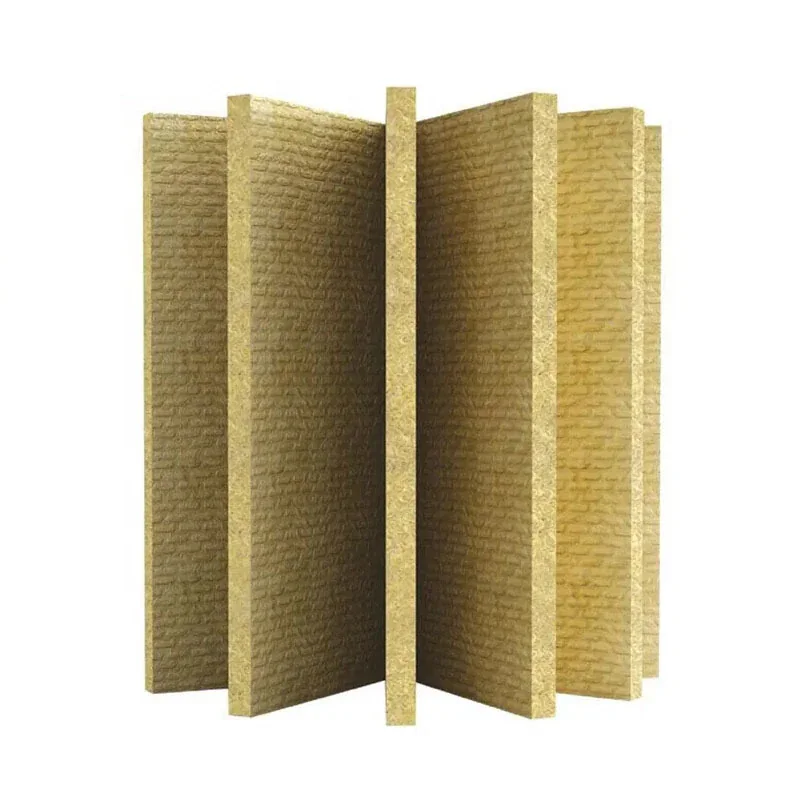
Three checks before comparing materials
- Reason for replacementIdentify whether the constraint is temperature, condensation, cost, space, weight or availability.
- System requirementsConfirm thermal, fire, acoustic and mechanical requirements for the installed assembly.
- Material routeConsider glass wool, elastomeric foam or specialist high-temperature insulation according to the service.
Rockwool Alternatives by Application
| Existing application or reason for replacement | Materials to consider first | Practical selection guidance |
|---|---|---|
| Building walls, roofs and ceilings | Glass wool rolls or boards | Rolls are flexible for cavity filling; boards provide a defined, stable form. |
| Interior partitions and acoustic ceilings | Glass wool boards or rolls | Fibrous insulation absorbs sound, but whole-assembly performance depends on construction. |
| Chilled-water pipes, refrigeration lines and HVAC ducts | Closed-cell NBR/PVC foam tubes or sheets | Provides thermal insulation and relatively low vapor permeability for condensation-control systems. |
| Hot-water lines and some medium-temperature mechanical services | Glass wool pipe sections | Use preformed insulation only where the specific grade meets operating-temperature requirements. |
| High-temperature industrial pipes and equipment | Temperature-rated glass wool, calcium silicate or aluminum silicate fiber | Check operating temperature, mechanical loads and installation design before substitution. |
| Assemblies with specified fire or compressive-load requirements | Appropriate mineral wool or a specified insulation system | Verify the tested assembly and load requirements; similar conductivity is not sufficient. |
The table offers starting points, not interchangeable products. When reviewing rockwool alternatives, compare system requirements and total installed cost, not material price alone. Weight affects freight and handling; flexibility affects work around fittings. Redesign may outweigh savings from a substitute.

Glass Wool as an Alternative for Rockwool in Buildings
In wall cavities, light-steel roofs, ceilings and interior partitions, glass wool is among the practical rockwool alternatives when the insulation layer is mainly required for thermal resistance, cavity filling or sound absorption. Glass wool and rock wool share these functions, but their density, stiffness, product forms and temperature limits differ.
Conductivity ranges can overlap. For a specified thermal resistance, compare conductivity at the relevant mean temperature and the installed thickness rather than density alone. Rolls suit continuous filling across cavities; boards suit locations requiring flat, stable pieces.
Insulvora supplies glass wool rolls in thicknesses of 25–100 mm and glass wool boards in thicknesses of 20–130 mm. High-density glass wool boards provide another board configuration when higher density is required.
Glass wool is not an automatic alternative for rockwool in loaded roofs, high-temperature duties or fire-rated assemblies. Check compressive strength, stability, fixings and the permitted assembly construction; similar conductivity does not establish equivalent structural or fire performance. For a more detailed fibrous-material comparison, see Rock Wool vs Fiberglass.
Elastomeric Foam for Chilled-Water and HVAC Systems
For chilled-water pipes, refrigeration lines and HVAC equipment, rockwool alternatives must be evaluated as part of the entire condensation-control system. Rock wool is vapor-open, so insulation on surfaces below ambient temperature generally needs a continuous vapor barrier, including at joints, supports, fittings and penetrations.
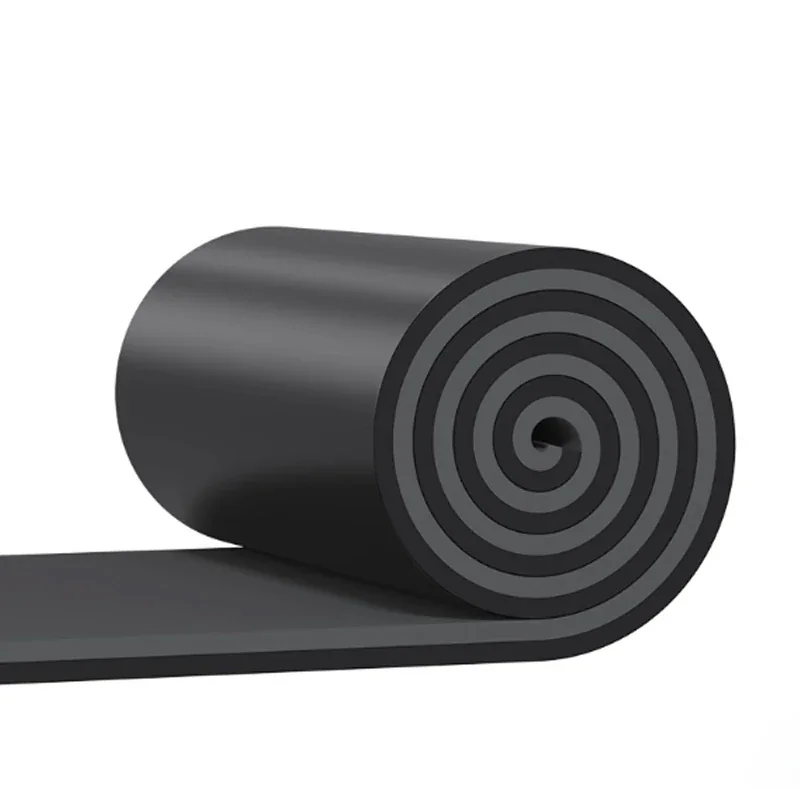
Closed-cell NBR/PVC foam combines thermal insulation with relatively low vapor permeability within its rated service-temperature range. Tubes fit pipe runs, while sheets cover ducts, equipment and irregular surfaces. These forms can make cutting and fitting around elbows, branches and connections more practical.
Insulvora offers slit elastomeric foam pipe insulation, self-adhesive elastomeric foam sheets, other sheet configurations and faced elastomeric products for suitable applications.
A closed-cell material does not eliminate the need to seal longitudinal cuts, butt joints, elbows and valves. Select thickness from the operating temperature and ambient humidity, so the outer surface remains above the relevant dew point; do not automatically reuse the previous rock wool thickness. For an alternative for rockwool on cold services, verify the product's temperature range and applicable fire requirements. Hotter services beyond the foam's rating, or systems requiring noncombustible insulation, need suitable inorganic materials.
Rockwool Alternatives for Hot-Water and High-Temperature Services
For hot-water lines and some mechanical services, preformed glass wool pipe sections may serve as an alternative for rockwool pipe insulation. Their curved form covers straight pipe runs without cutting flat boards to fit, provided the selected grade is rated for the actual operating temperature.
Insulvora's glass wool pipe insulation covers inner diameters of 22–720 mm and insulation thicknesses of 25–100 mm. Compare the required thermal thickness, pipe dimensions, weight and installation method before selecting a replacement.
At higher temperatures, rockwool alternatives include suitable calcium silicate or aluminum silicate fiber insulation. Rigid calcium silicate boards and pipe sections offer shape retention and some compressive support. High-temperature fiber blankets or boards may suit hotter surfaces, irregular equipment and linings. The final choice depends on conductivity at service temperature, vibration, thermal cycling, cladding and exposure conditions.
An alternative for rockwool is not always necessary. Where the existing mineral wool system meets project requirements, retaining it may avoid redesign. Insulvora supplies rock wool boards and rock wool pipe sections for suitable applications.
Key Performance Checks for Rockwool Alternatives
Before approving rockwool alternatives, confirm the properties that determine performance in the finished system:
Thermal performance and thickness. Compare conductivity at similar mean temperatures. Flat-layer resistance depends on thickness and conductivity; pipe resistance also depends on cylindrical geometry and pipe diameter. Two insulation layers of equal thickness do not necessarily provide equal resistance.
Fire performance. Reaction-to-fire classification, facing performance and fire resistance of the complete assembly are different measures. Glass wool and rock wool grades vary. Tested walls and penetrations must follow the permitted construction; noncombustible material alone does not establish an assembly's fire-resistance rating.
Sound absorption and sound insulation. Fibrous materials can absorb sound, but the sound insulation of a complete wall also depends on lining mass, studs, cavity depth, connections and seals. When considering an alternative for rockwool in an acoustic partition, assess the complete assembly rather than material absorption figures alone.
Vapor control and environmental exposure. Cold-service fibrous insulation generally needs a vapor barrier; closed-cell foam systems still need properly sealed joints. Outdoor or wash-down installations may also require weatherproof cladding and physical protection.
Strength and long-term stability. Loaded roofs, pipe supports and maintenance areas require suitable compressive resistance and dimensional stability. A lighter alternative for rockwool may not support the same loads.
Related technical resources: Low Thermal Conductivity Insulation · High-Temperature Insulation Materials
Discuss Rockwool Alternatives for Your Project
Insulvora supplies glass wool, rock wool and elastomeric foam insulation. Share your application, operating temperature, dimensions and any moisture, fire or load requirements. We can discuss appropriate product forms, available sizes and pricing for your project.