
Exhaust Pipe Insulation for Industrial Exhaust and Flue Pipework
Industrial exhaust pipes, boiler flues, generator exhaust lines, and other hot-gas pipework need insulation selected for the operating temperature, pipe geometry, and service environment. For regular round pipes, Rock Wool Pipe or Rock Wool Pipe Section is normally the starting point. For large-diameter flues, elbows, reducers, and irregular transitions, Wire Mesh Rock Wool Blanket is generally easier to fit.
Insulvora supplies these forms for industrial exhaust pipe insulation. The final selection must also account for the required insulation thickness or outer surface-temperature target, maximum operating conditions, and protection against outdoor exposure. A single insulation construction is not necessarily suitable for every part of a connected exhaust system.
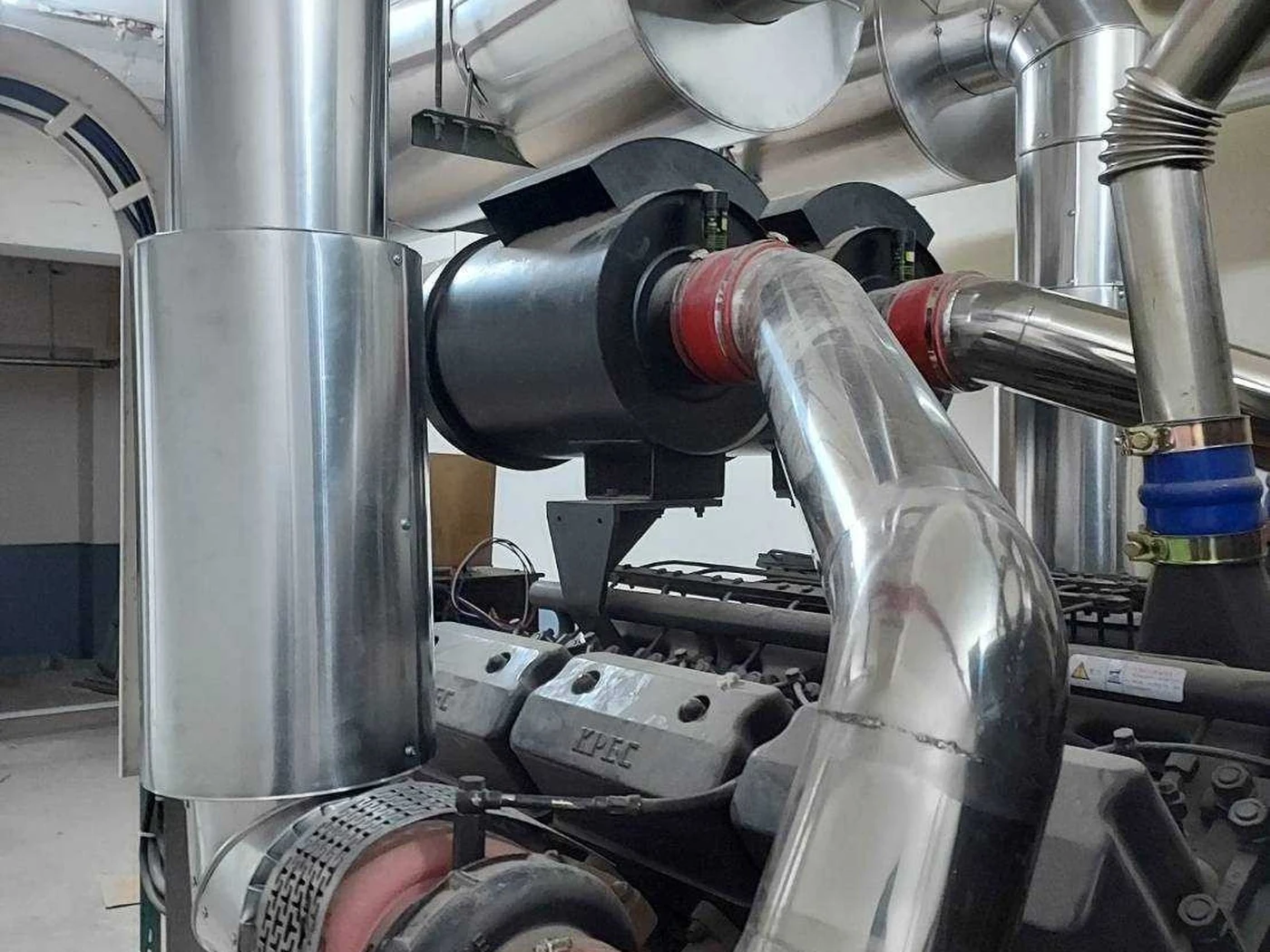
How Operating Conditions Change the Product Form
Operating temperature. Confirm both the normal and design or maximum temperatures before choosing a product grade. Sustained heat and repeated thermal cycling affect the suitability of exhaust pipe insulation, so the selected grade must remain within its stated operating range under the actual duty.
Diameter and geometry. Preformed rock wool sections can follow regular round pipework closely and provide a consistent insulation thickness. Large-diameter flues, elbows, reducers, and irregular connections may require flexible wired blanket that can be formed around the surface. Geometry determines the practical form of flue pipe insulation; it does not by itself establish the required temperature grade or thickness.
Thermal objective. Exhaust pipe insulation may be specified to limit heat loss, reduce the exposed outer surface temperature in accessible areas, or meet both objectives. In some flue systems, maintaining gas temperature can also help avoid unfavorable condensation conditions. That consideration depends on the specific flue-gas duty and should not be assumed for every installation.
Service environment. Outdoor exposure, equipment vibration, and thermal movement influence the fixing method and cladding arrangement. Connections close to engines, boilers, or other equipment may experience greater movement than straight static runs. These conditions need to be considered alongside the insulation material, not treated as an afterthought.
Insulvora Product Options for Exhaust and Flue Pipework
For straight, regular round hot-gas lines, Rock Wool Pipe and Rock Wool Pipe Section provide preformed exhaust pipe insulation options. Current product ranges cover 22–910 mm inner diameters, 20–150 mm thicknesses, and a listed maximum operating temperature of 600°C. Confirm the applicable size, thickness, and grade against the pipe dimensions and project temperatures.
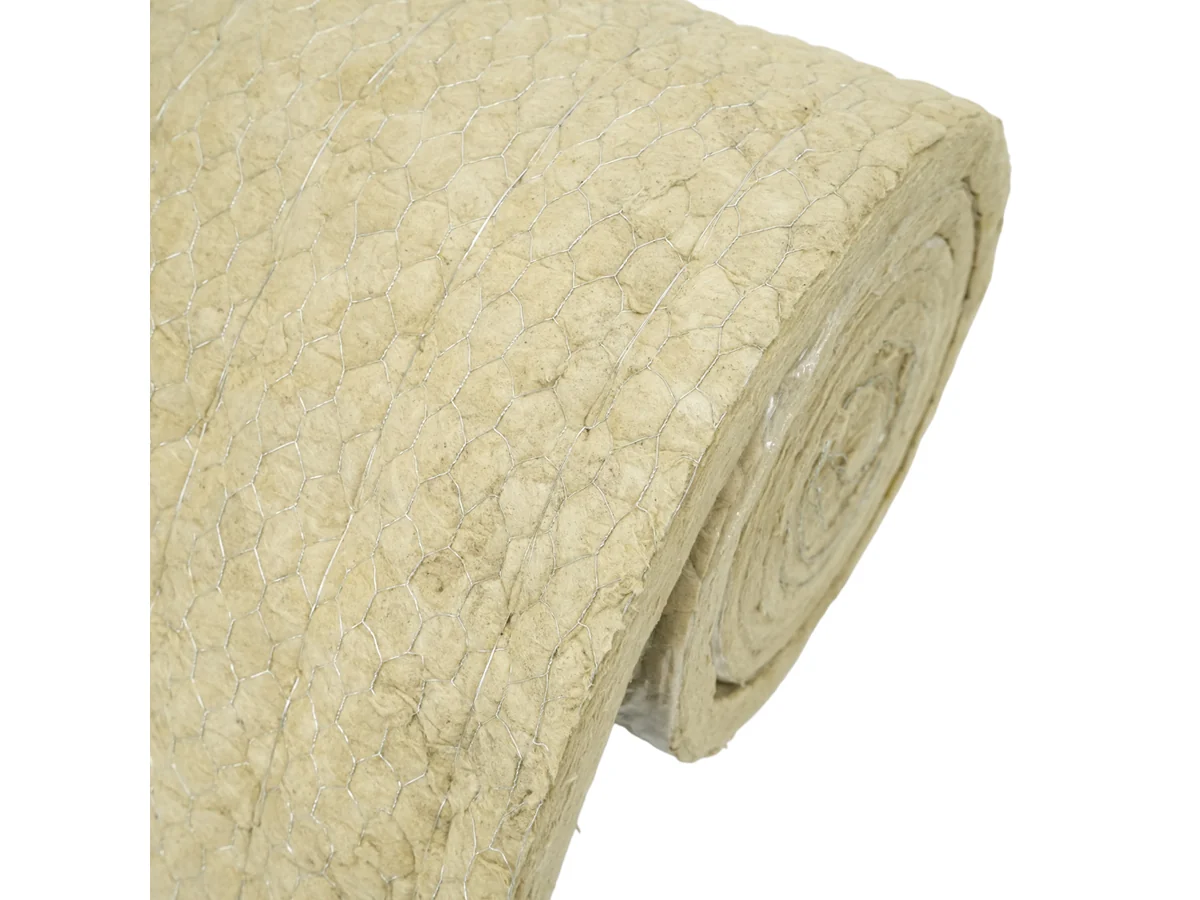
For large-diameter flues and irregular surfaces, Wire Mesh Rock Wool Blanket provides a flexible flue insulation option. Listed product dimensions include 30–100 mm thicknesses and 0.4 m, 0.6 m, or 1.2 m widths, with a listed maximum operating temperature of 750°C. Suitability depends on the selected product configuration and actual service conditions.
| Application condition | Product or system direction | Key items to confirm |
|---|---|---|
| Regular round hot-gas pipe | Rock Wool Pipe / Rock Wool Pipe Section | Temperature, pipe diameter, insulation thickness |
| Large-diameter round flue | Wire Mesh Rock Wool Blanket | Temperature grade, diameter, fixing method |
| Elbows, reducers, and irregular transitions | Wire Mesh Rock Wool Blanket or another form suited to the geometry | Dimensions, field forming, insulation continuity |
| Outdoor exhaust or flue line | Rock wool insulation with continuous cladding | Cladding, joints, terminations, drainage |
| Accessible hot surface | Suitable rock wool insulation system | Target outer surface temperature, operating conditions |
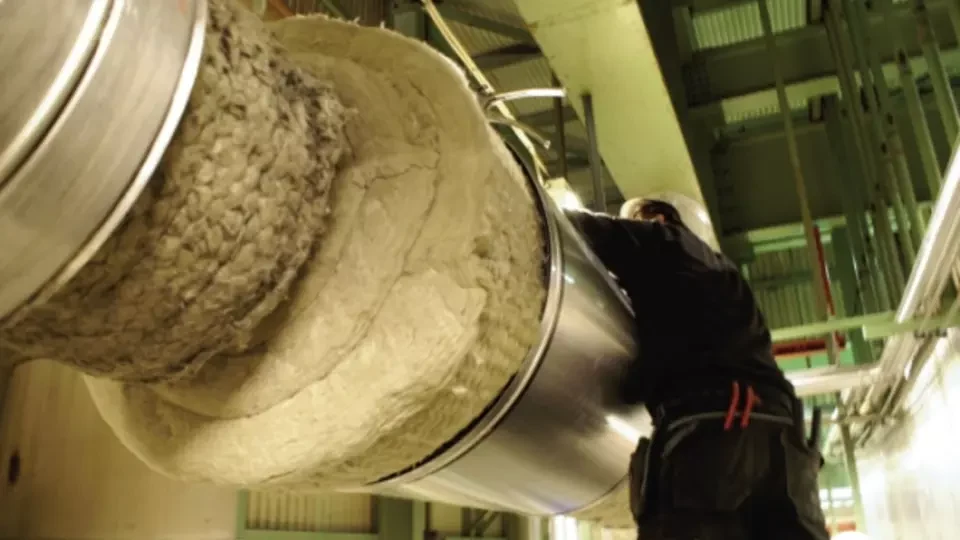
Exhaust pipe insulation does not have to use the same form along an entire line. A system with long straight runs and oversized or irregular connections can combine preformed sections on regular pipework with wired blanket at transitions. The important requirement is to maintain insulation continuity and the specified thermal protection where one form meets another.
Elbows, Supports, and Outdoor Detail Zones
For exhaust pipe insulation, elbows, reducers, and irregular transitions need more attention than a typical straight run. Gaps or excessive compression can interrupt insulation continuity. For flue pipe insulation at these points, the chosen form should follow the changing surface geometry without leaving unprotected areas or relying on a straight-pipe detail where the shape no longer matches.
Supports, hangers, and equipment connections also affect the local insulation arrangement. On exhaust lines connected directly to engines, boilers, or other hot equipment, vibration and thermal expansion place additional demands on fasteners and cladding. Flue insulation fixing details must keep the material stable while accommodating normal thermal movement.
Outdoor flue insulation requires continuous external protection. Cladding overlaps, terminations, penetrations, and potential water-entry points need suitable detailing and drainage. Moisture entering the insulation system can alter its service condition and raise the risk of corrosion at the metal surface. The insulation form and outer protection therefore need to be considered together.
Where Exhaust / Flue Pipework Ends and Chimney Design Begins
Connected exhaust lines, boiler flues, elbows, reducers, and equipment connections can generally be assessed as exhaust pipe insulation applications. The scope changes when a project involves a freestanding chimney, chimney shell, or complete chimney construction, including its structural support, penetration and clearance requirements, and dedicated expansion details.
Those chimney-specific conditions require a system-level assessment rather than simply extending a standard flue pipe insulation detail. See Chimney Insulation for the separate application route. Although pipework and chimney sections can belong to the same hot-gas discharge system, their structural and installation requirements are not interchangeable.
Send Your Exhaust / Flue Project Requirements
To request an exhaust pipe insulation quotation, send the normal and maximum operating temperatures, pipe or flue dimensions, required insulation thickness or surface-temperature target, indoor or outdoor location, and quantity. Include drawings or site photos for elbows, reducers, and other complex sections.
Insulvora will review the project information, confirm whether Rock Wool Pipe, Rock Wool Pipe Section, or Wire Mesh Rock Wool Blanket is the appropriate form, check the available size and thickness range, and proceed with a quotation for the confirmed exhaust or flue insulation specification.