Best Pipe Insulation for Hot Water
For domestic and commercial hot-water systems, closed-cell NBR/PVC rubber foam and preformed glass wool pipe sections are usually the first materials to consider. Flexible rubber foam is practical on smaller pipes, frequent bends and restricted access, provided the operating temperature is within its rating. Glass wool is well suited to long circulation mains and plant-room pipework. Rock wool is an option for hotter industrial services or projects with specified mineral-wool or fire-performance requirements.
The best pipe insulation for hot water must control heat loss and accessible surface temperature while maintaining a continuous protective layer around the pipe. The highest temperature rating alone does not establish the best choice.
Key selection conditions
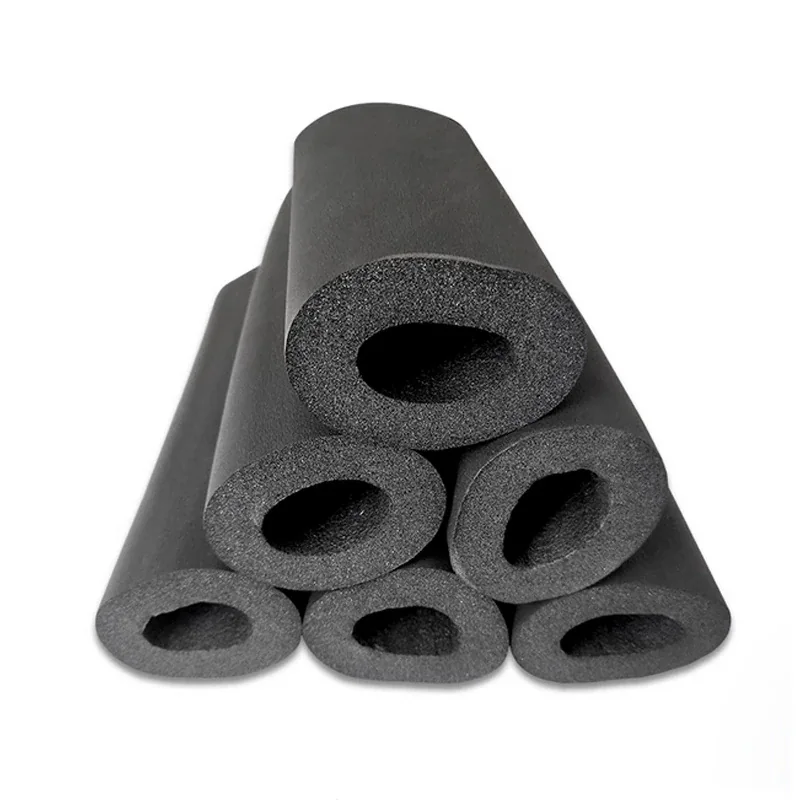
- Branch lines Rubber foam fits compact runs and frequent bends within its rated temperature range.
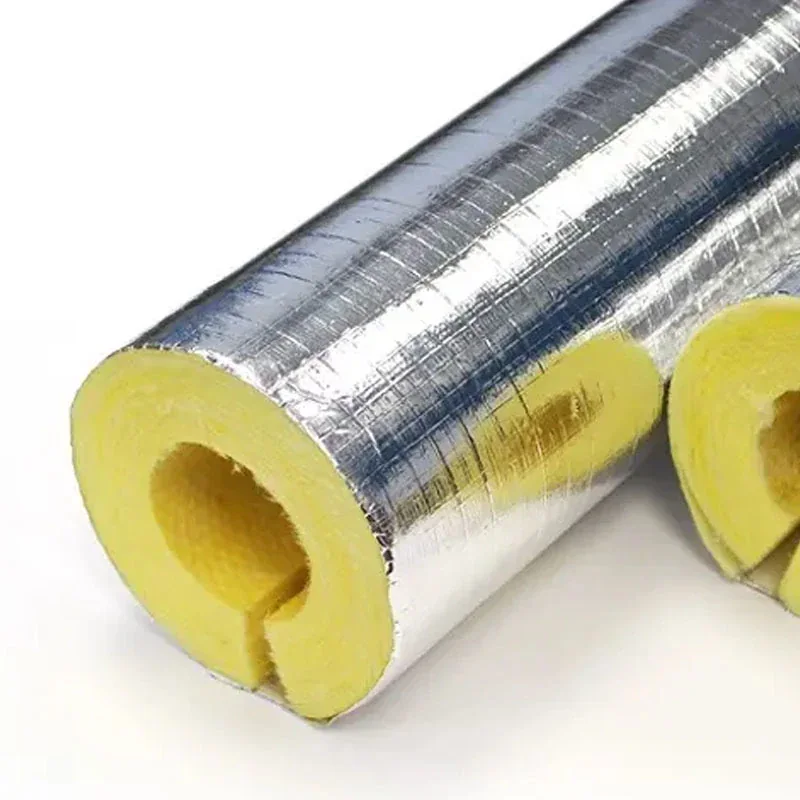
- Circulation mains Preformed glass wool sections help maintain consistent insulation thickness along mechanical pipework.
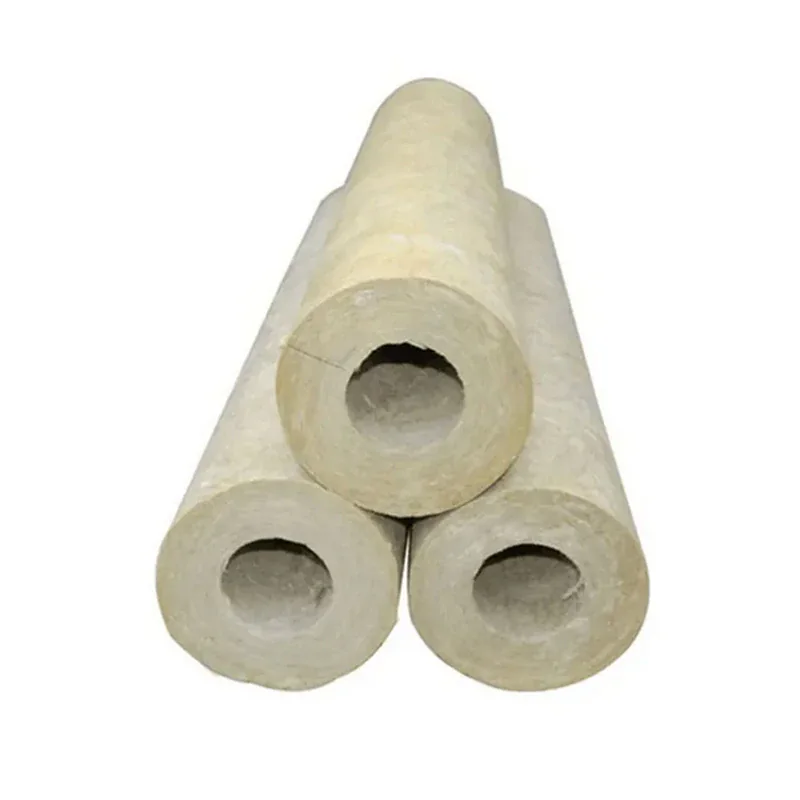
- Industrial duty Rock wool may be appropriate where higher operating temperatures or project-specific fire requirements govern.
Best Pipe Insulation for Hot Water by Application
| Hot-water service | Material to consider first | Main reason |
|---|---|---|
| Indoor domestic hot water, small branch lines and pipes with frequent bends | NBR/PVC closed-cell rubber foam tubes | Flexible insulation is easier to fit where access and space are limited. |
| Commercial hot-water circulation mains and long, straight plant-room runs | Glass wool pipe sections | Preformed sections provide consistent thickness over extended mechanical runs. |
| Higher-temperature industrial hot water, equipment lines or specified mineral-wool and fire requirements | Rock wool pipe sections | Suitable service-temperature range and use within industrial insulation assemblies. |
| Outdoor lines, washdown areas and pipes exposed to physical damage | Temperature-appropriate rubber foam, glass wool or rock wool with suitable cladding | Weather protection, sealed joints and mechanical resistance become critical. |
A single project may require different insulation materials on different pipe runs. For example, glass wool can cover long circulation mains while rubber foam is used on short branch connections, where operating conditions permit. The best pipe insulation for hot water is therefore selected by service and location, not by applying one material to every pipe.
What Determines Thermal Performance on Hot Water Pipes?
Heat loss and operating costs
Hot-water pipe insulation reduces heat loss, which is particularly important in circulation systems running for long hours. Small losses per meter become significant across extensive mains. Heat loss depends on pipe diameter, water and ambient temperatures, insulation thickness and thermal conductivity.
Compare conductivity values at relevant temperatures and under comparable test conditions. A value measured at 0°C cannot, on its own, establish which material performs better on a hot pipe. When choosing the best pipe insulation for hot water in a continuously operating system, sufficient thickness and long-term heat-loss reduction may matter more than a minor difference in material price.
Contact safety and surface temperature
Insulation can also lower the outer surface temperature of accessible pipework in plant rooms, maintenance corridors and occupied areas. A design that meets a heat-loss target does not necessarily meet a contact-temperature target. Ambient temperature, air movement, insulation thickness and the outer finish can all affect the resulting surface temperature. For accessible pipework, the best pipe insulation for hot water must meet both requirements, which should be assessed separately.
Insulation thickness and pipe dimensions
Greater insulation thickness generally reduces heat loss, but the reduction is not proportional to thickness. The appropriate thickness depends on the service temperature, pipe geometry and intended thermal or surface-temperature target. No single thickness makes one product the best pipe insulation for hot water across all applications.
For preformed sections, match the insulation bore to the pipe's actual outside diameter. Bore diameter, insulation wall thickness and finished insulated diameter are separate measurements. Nominal steel, copper and PPR pipe sizes do not necessarily correspond to the same outside diameter.
For further sizing guidance, see Pipe Insulation Thickness Chart and Pipe Insulation R-Value.
Best Pipe Insulation for Hot Water: Material Options
NBR/PVC rubber foam: flexible insulation for conventional hot-water lines
Closed-cell NBR/PVC rubber foam is flexible and easy to cut and join around small-bore pipes, bends and restricted-access locations. Its closed-cell structure helps limit moisture ingress in damp environments. Slit tubes are practical for domestic hot-water branches and selected HVAC heating lines, provided the operating temperature remains within the product's rated range.
For compact pipework with frequent changes of direction, rubber foam may be the best pipe insulation for hot water when the required temperature and thermal performance can be met. It should not be specified for service temperatures above its rating.
View product: Slit Rubber Foam Pipe
Glass wool: preformed insulation for circulation mains
Glass wool pipe sections provide uniform coverage along commercial hot-water circulation mains, straight plant-room runs and other mechanical services. Preformed sections are available in different bore sizes and thicknesses, with suitable facing or protective finishes selected for the installation.
For long pipe runs, consistent fit and thickness make glass wool a practical material to assess. Where exposed to weather or mechanical damage, the completed system needs suitable cladding. Glass wool can be the best pipe insulation for hot water on commercial mains when the specified performance and installation conditions are satisfied.
View product: Glass Wool Pipe Insulation
Rock wool: higher-temperature and specified industrial systems
Rock wool pipe sections serve industrial hot-water lines, heating equipment and mechanical systems where mineral-fiber insulation is specified. They can be used with appropriate density, insulation thickness and metal cladding in systems governed by temperature or fire-performance requirements.
Insulvora lists GB 8624 Class A reaction-to-fire documentation for this product range. Rock wool is not automatically the best pipe insulation for hot water: a higher allowable service temperature does not, by itself, reduce heat loss when another material already satisfies the design conditions.
View product: Rock Wool Pipe
Insulvora Hot Water Pipe Insulation: Product Specifications
| Product | Available sizes | Thermal conductivity | Temperature rating |
|---|---|---|---|
| Slit NBR/PVC rubber foam tube | 15 / 20 / 25 / 30 / 40 / 50 mm thicknesses; bores vary by thickness | ≤0.034 W/(m·K) at 0°C | -40°C to +105°C |
| Glass wool pipe section | 22–720 mm inside diameter; 25–100 mm thickness | 0.035–0.042 W/(m·K) | Maximum service temperature: 450°C |
| Rock wool pipe section | 22–910 mm inside diameter; 20–150 mm thickness | 0.035–0.042 W/(m·K) | Maximum service temperature: 600°C |
These are product-family specification ranges, not a direct performance ranking. The stated rubber-foam conductivity is measured at 0°C; the listed mineral-wool conductivity ranges should not be compared with it as if all values were measured at identical temperatures. Confirm relevant test conditions before comparing heat-loss performance.
To identify the best pipe insulation for hot water from these product ranges, check operating temperature first, then actual pipe outside diameter, required thickness, project fire requirements and exposure conditions. Select the product as part of a complete insulation assembly rather than on the strength of one figure.
Installation Details, Total Cost and Service Life
The selected material will not perform as intended if insulation is interrupted around elbows, valves, connections or supports. These locations require attention to fit and joint continuity, not just the thickness on straight pipe.
Glass wool and rock wool sections should be secured with properly closed joints. For slit rubber foam, both longitudinal seams and circumferential joints require careful closure. In outdoor or damage-prone locations, glass wool and rock wool need suitable protective cladding, including appropriate laps, terminations and treatment around fittings.
Hot-water pipes do not always need the same condensation-control approach as chilled-water systems. Moisture ingress, joint losses and outer-surface protection remain important, particularly in exposed areas.
For cost comparisons, use the installed system rather than material price per meter alone. Adhesives, fittings, cladding, labor, maintenance and expected operating hours can change the overall cost. On continuously circulating mains, the effect of heat loss over the service life may outweigh a small initial price difference. The best pipe insulation for hot water should meet the thermal and surface-temperature targets, remain continuous at joints and withstand the operating environment over time.
Hot Water Pipe Insulation Products and Quotations
Insulvora supplies NBR/PVC rubber foam tubes, glass wool pipe sections and rock wool pipe sections for hot-water and industrial piping. Share the operating temperature, pipe dimensions and insulation requirements so suitable product sizes and pricing can be discussed.