
Refinery Insulation
Refinery insulation covers process piping, columns, vessels and tanks that differ in geometry, service temperatures and maintenance needs. For hot-service equipment where rock wool is suitable, preformed pipe sections are the first option for straight runs, flexible blankets fit large-diameter and curved surfaces, and boards serve relatively flat areas with adequate support.
Insulvora supplies these rock wool product forms. Final specifications must satisfy the equipment's operating conditions, thermal requirements and project standards.
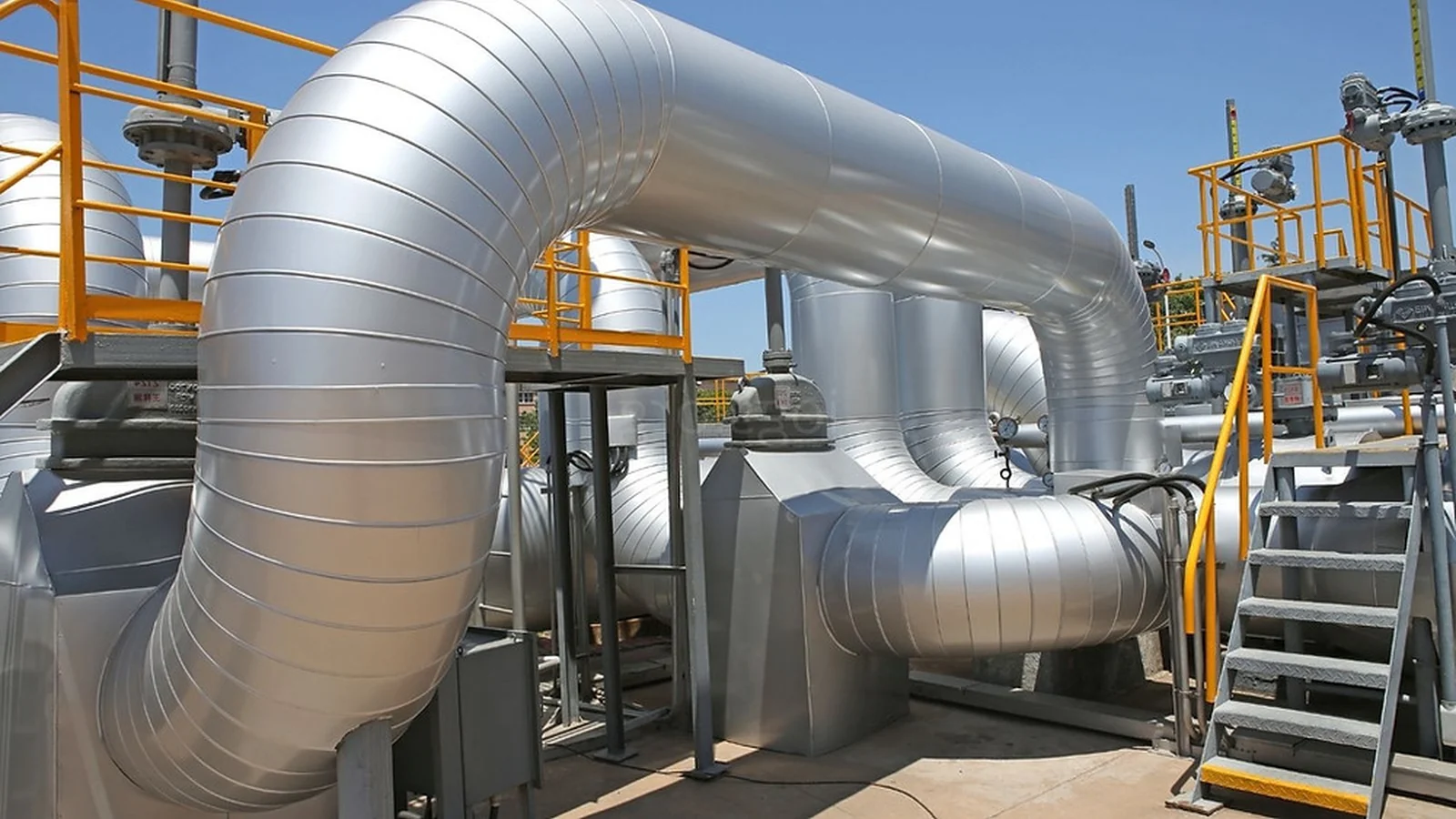
Rock Wool Forms for Refinery Equipment
For refinery insulation projects, the initial product choice follows equipment geometry and installation requirements. Available forms and sizes are shown below.
| Equipment / Application | Product and Available Range |
|---|---|
| Straight process piping | Rock Wool Pipe / Rock Wool Pipe Section — Preformed sections with 22–910 mm inside diameters, 20–150 mm thicknesses and 1 m standard lengths. The bore must match the pipe outside diameter. |
| Large-diameter piping, columns and curved vessels | Wire Mesh Rock Wool Blanket — Galvanized mesh-reinforced blanket, 30–100 mm thick. The flexible form follows curved surfaces, and the mesh helps retain its shape during fitting and fixing. Rock Wool Blanket — Unreinforced flexible blanket, 25–200 mm thick, for areas where mesh reinforcement is unnecessary. |
| Relatively flat equipment areas | Rock Wool Board — Boards 30–150 mm thick for surfaces with suitable support and fastening arrangements, where flexible wrapping is not required. |
Large equipment may combine curved and flat surfaces, requiring more than one insulation form. Valves, flanges, elbows and regularly opened areas also have fitting and access requirements different from uninterrupted pipe runs.
See Process Piping Insulation for fittings and special details, and Industrial Tank Insulation for tank shells, roofs and associated structures.
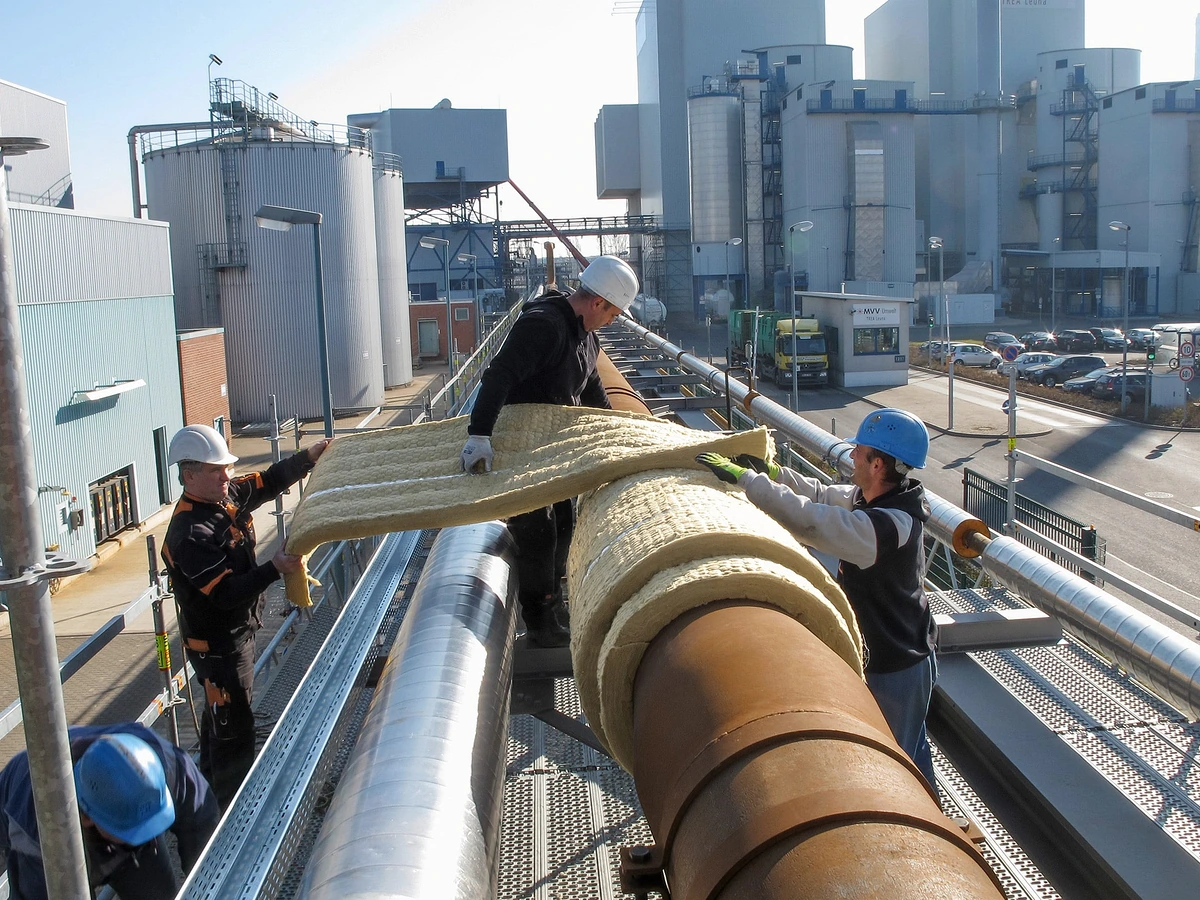
Operating Temperatures and Product Limits
Normal and maximum operating temperatures can differ across equipment groups within the same refinery. Insulation thickness follows heat-loss targets, equipment temperatures or personnel-protection requirements. Similar equipment may therefore need different thicknesses when the required outcome differs.
Insulvora's rock wool pipe and pipe sections have a listed maximum operating temperature of 600°C. Both Rock Wool Blanket and Wire Mesh Rock Wool Blanket are available in 600°C standard and 750°C high-temperature grades. These limits apply to the specified products and grades. A higher-temperature blanket is not automatically a substitute for a preformed pipe section: equipment geometry, fixing and operating conditions still determine suitability.
Refinery insulation specifications may also prescribe density, thickness, thermal properties and supporting documentation. Higher temperatures or unusual service conditions require separate product and system checks. See High Temperature Insulation Materials for temperature suitability and Pipe Insulation Specification for pipe sizing, thickness and technical requirements.
Jacketing, Moisture and Maintenance
Outdoor refinery insulation systems require weather protection suited to equipment geometry and site exposure. Rainwater can enter through damaged or incomplete jacketing seams, end closures and penetrations. Water may collect at low points or remain within the insulation system if drainage is inadequate.
Valves, flanges, manways and other inspection locations require maintenance access. After equipment is opened, insulation, joints and jacketing must be properly reinstated to avoid creating new water-entry paths.
Where corrosion under insulation (CUI) is a concern, trapped moisture can increase corrosion risk on metal surfaces. Protective coatings, jacketing, drainage and inspection arrangements must work together. Rock wool provides thermal insulation but does not replace equipment corrosion protection or corrosion-management measures.
Discuss Your Refinery Project
For a refinery insulation inquiry, share equipment drawings or line schedules, pipe sizes, normal and maximum operating temperatures, thermal requirements, quantities, applicable project standards, technical documentation and delivery requirements. This information helps establish where pipe sections, blankets or boards are needed, including equipment with curved and flat surfaces or maintenance-access points.
Insulvora reviews these details against available rock wool products and specifications to confirm suitable product forms, dimensions, thicknesses and temperature grades for each equipment group. The quotation scope can then reflect the required quantities, documentation and delivery requirements instead of applying a single specification throughout the refinery.