
Return Air Duct Insulation
Return air duct insulation should be specified for the actual duct route, not applied automatically to every return-air system. Duct location, air and surrounding temperatures, humidity, thermal targets, and acoustic needs determine whether insulation is required and which material is appropriate.
Insulvora supplies foil-faced glass wool rolls and closed-cell elastomeric board and sheet options for return-air duct applications. Available thicknesses, facings, and installation configurations can be reviewed against your project conditions.
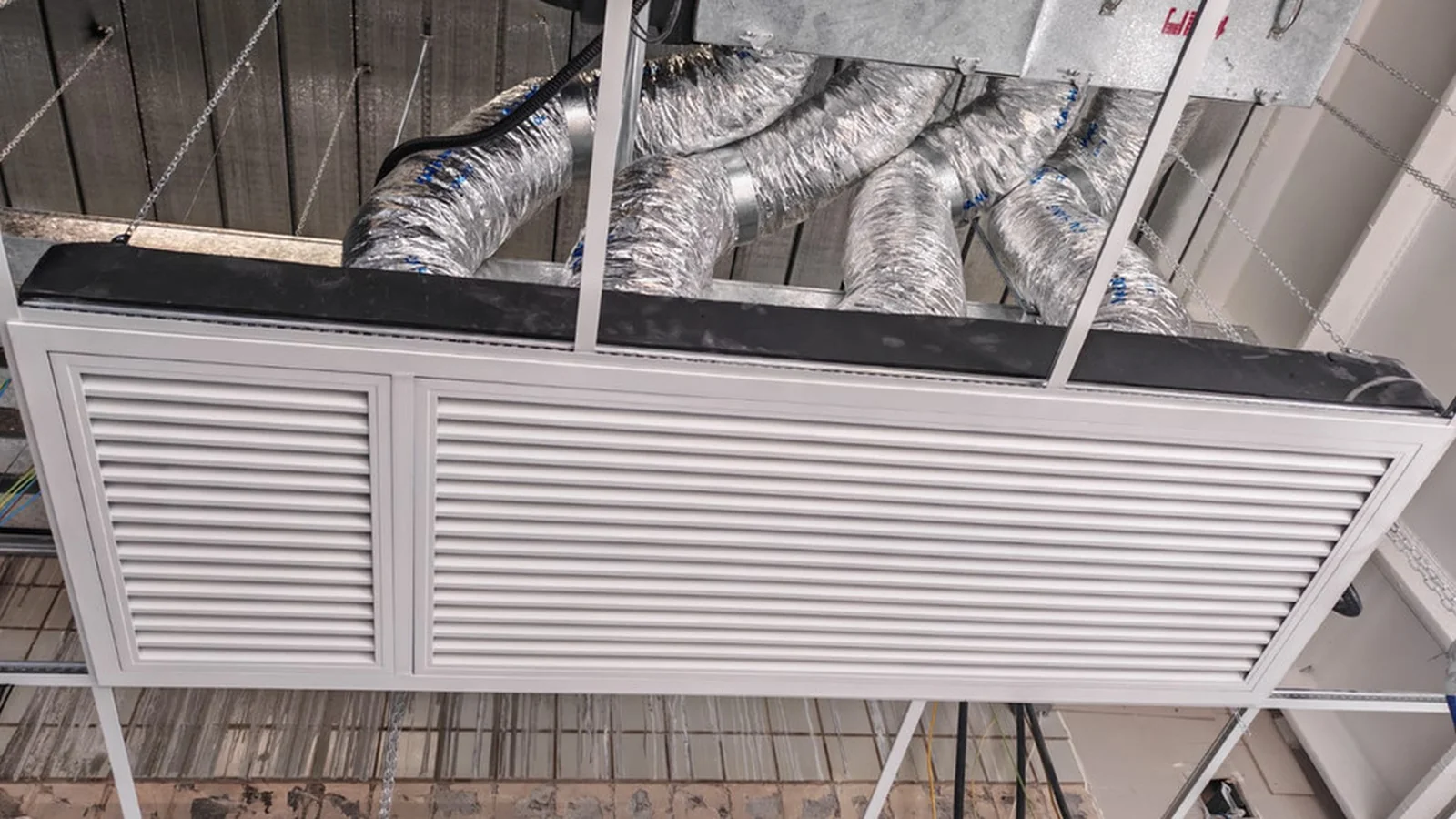
When Return Air Duct Insulation Is Needed
Ducts in unconditioned spaces. Roof spaces, shafts, plant rooms, and service areas can expose return ducts to temperatures different from the air inside. Assess these sections using the operating temperature difference and the project's thermal requirements. Being a return duct alone does not establish an insulation requirement.
Humid surroundings. Where duct surface temperatures may lead to condensation, return air duct insulation must be evaluated for moisture control as well as heat transfer. The selected material, facing, and vapor-control construction need to suit the expected operating conditions.
Ducts inside conditioned areas. If the complete return-air path stays within a stable conditioned zone with little temperature difference, its insulation needs may differ from those of ducts in unconditioned areas. Follow the project design, specified thermal resistance, and applicable requirements rather than assuming the same treatment throughout.
Outdoor or exposed ducts. Insulated sections exposed to weather or physical damage may also need external weather and mechanical protection. The protection arrangement should match the insulation material and the actual exposure.
For a broader comparison of supply, return, and other duct applications, see Air Duct Insulation.
Material and Specification Routes for Return Air Duct Insulation
The first step is to match the duct condition to a material route. The table below identifies options to evaluate; final return air duct insulation specifications depend on the thermal target, moisture conditions, clearance, and surface configuration.
| Return-air condition | First route to evaluate | Main function |
|---|---|---|
| External thermal insulation in unconditioned space | Glass wool roll or board | Reduce heat transfer between the duct and its surroundings. |
| Combined thermal and acoustic objectives | Glass wool system | Provide thermal insulation while drawing on the sound-absorption characteristics of fibrous insulation. Acoustic results depend on the noise path and installation position. |
| Humid or vapor-control-sensitive area | Closed-cell elastomeric board or sheet | Support moisture control through the closed-cell material structure and continuous joint treatment. |
| Limited clearance or flexible sheet application | Elastomeric board or sheet | Accommodate duct surfaces and complex local geometry, subject to the required insulation thickness. |
| Internal duct noise is the primary issue | Dedicated duct acoustic route | Identify the noise source and path before selecting internal absorption or another acoustic treatment. |
External thermal insulation should not be assumed to resolve internal duct noise. For a dedicated acoustic assessment, see Duct Sound Insulation.
Available Glass Wool and Elastomeric Products
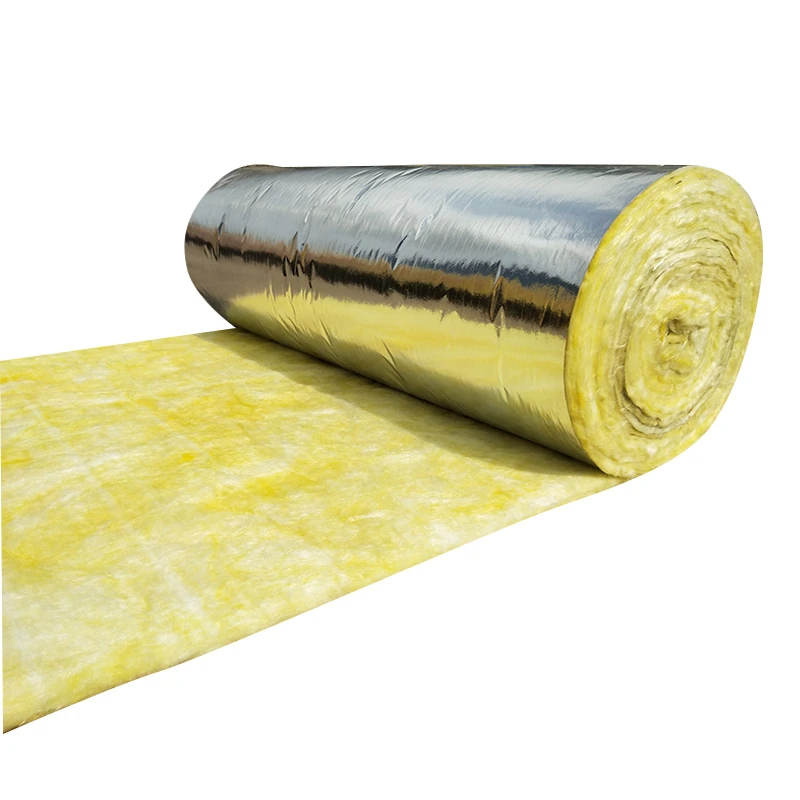
Foil Faced Glass Wool Roll. For externally wrapped return air duct insulation, Insulvora supplies Foil Faced Glass Wool Roll as a flexible blanket. Current product data lists 25–100 mm thickness, 1.2 m standard width, and single- or double-sided aluminum foil with reinforced or plain facing options. The ability of the facing to provide surface or vapor control depends on the selected construction and how its joints are treated.
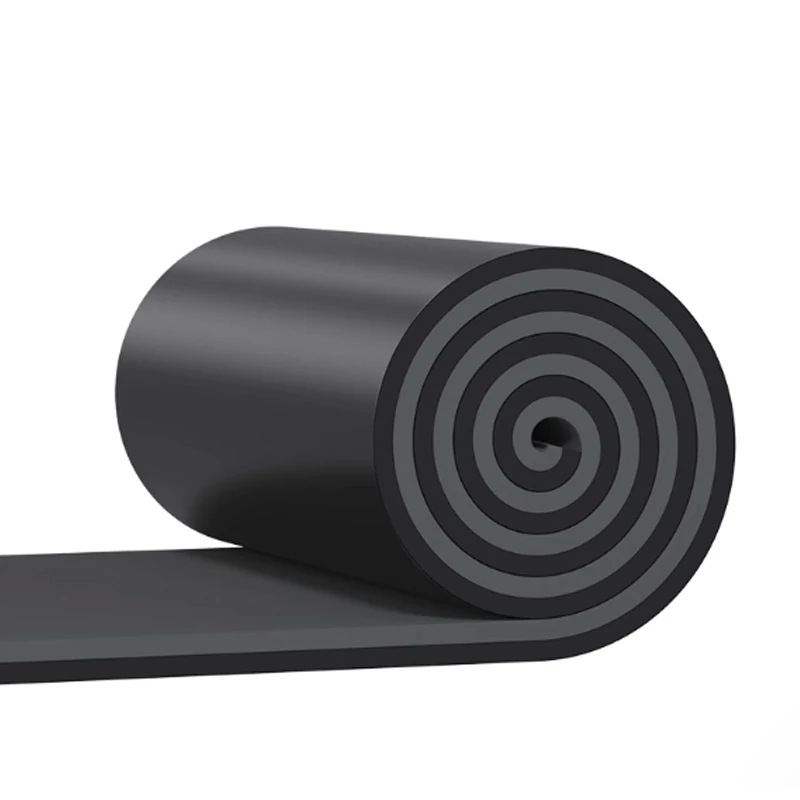
Closed-cell NBR/PVC board and sheet options. Where moisture control or conformable sheet coverage is important, Self Adhesive Rubber Foam Board is available in 5, 7, 7.5, 10, 15, 20, 25, 30, and 50 mm thicknesses, with self-adhesive or non-adhesive and faced or unfaced configurations. Foil Faced Rubber Foam Board is available in 5, 10, 20, 30, and 50 mm thicknesses. The choice between these configurations should reflect the duct surface, facing requirements, and installation conditions.
Confirming the Project Specification
Once a material route has been selected, confirm return-air temperature, surrounding temperature and humidity, duct dimensions, installation location, and available clearance. Where the project specifies a thermal resistance or insulation thickness, check the chosen product's data against that requirement. Also identify any required facing, vapor-control arrangement, adhesive backing, and acoustic or exposure constraints.
This step translates the application decision into a product configuration without duplicating full technical product data. Density, thermal conductivity, service-temperature limits, and other product-level information belong on the corresponding product pages. Where a specific thermal-resistance value is required, Duct Insulation R-Value explains the relationship between R-value, thickness, and the selected material.
Keep the Return Air Duct Insulation System Continuous
Even with the correct material and thickness, gaps and compression can undermine the installed system. Pay particular attention to flanges, elbows, transitions, supports, access doors, and penetrations. These locations should not be left uninsulated or become excessively compressed.
Where a facing or vapor-control layer is specified, its longitudinal and transverse seams, terminations, and penetrations need to remain continuous with the main surface layer. Access doors, dampers, controls, and inspection points must remain accessible and usable after insulation is installed.
For more detail on wrapping, fixing, sealing, and inspection, see Duct Insulation Installation.
Confirm Your Return Air Duct Insulation Requirement
Send your duct dimensions, return-air and surrounding conditions, specified thickness or thermal target, required quantity, and destination. Insulvora can review suitable product forms, available thickness and facing options, and the configuration to be confirmed in the quotation.