
Mineral Wool Pipe Insulation for Industrial and Hot-Service Piping
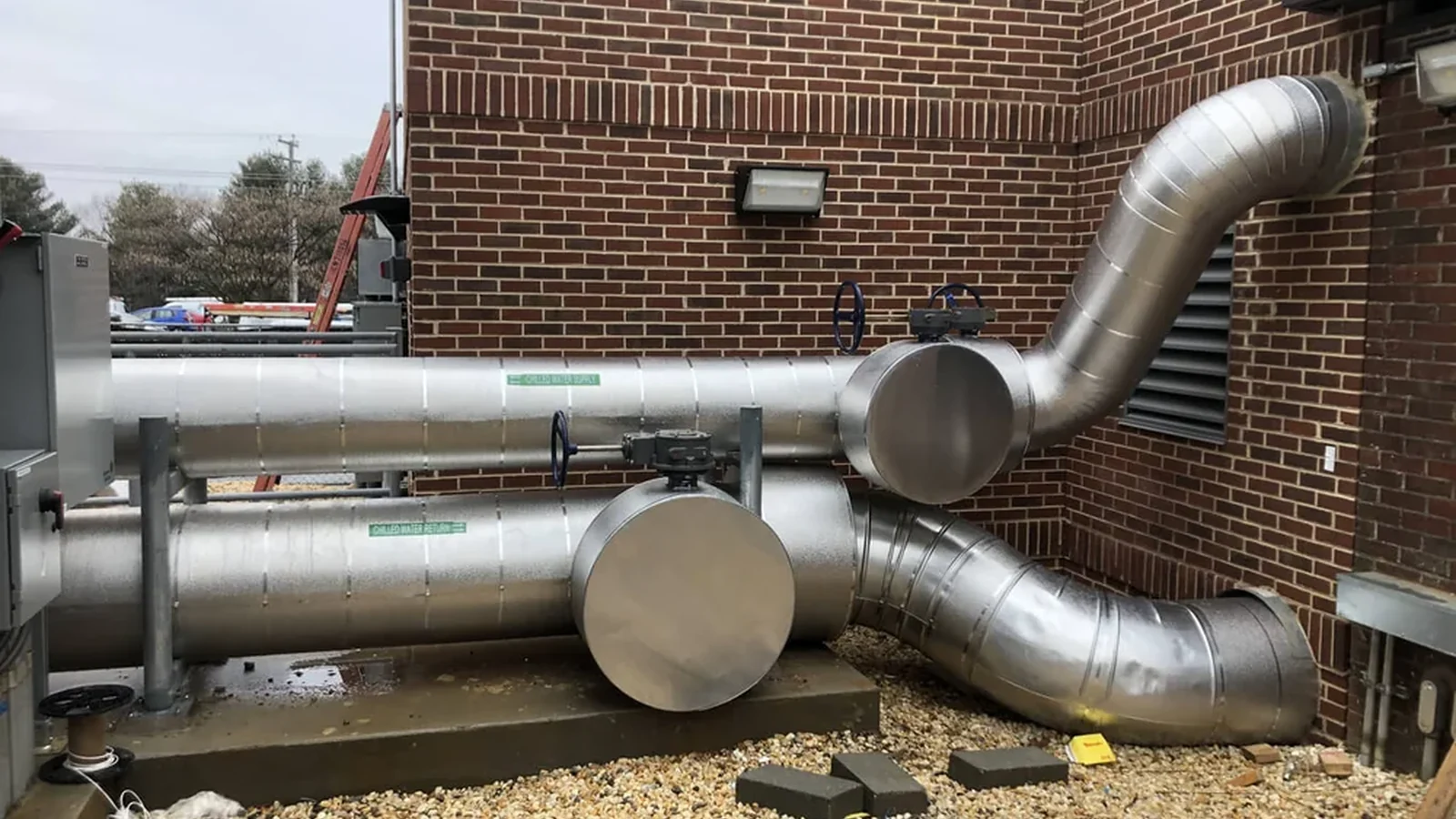
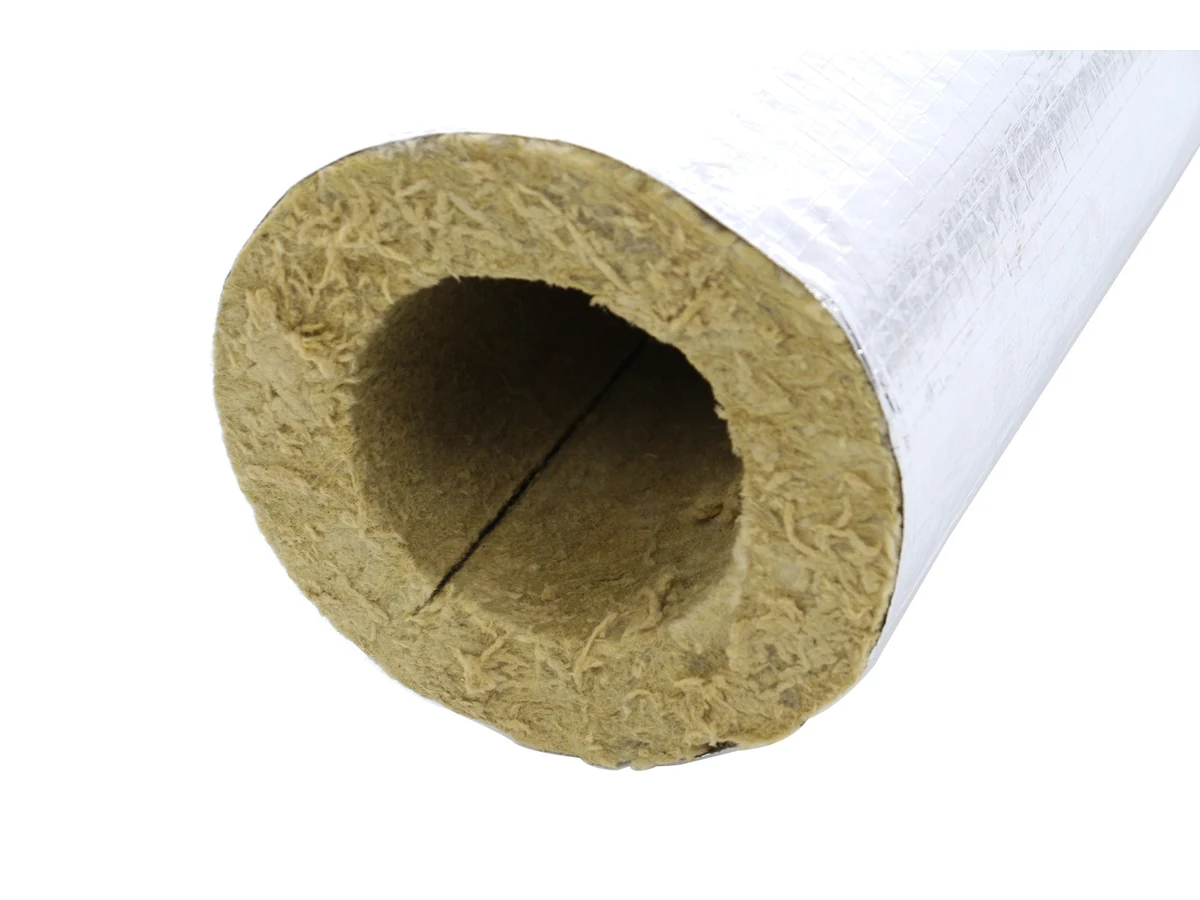
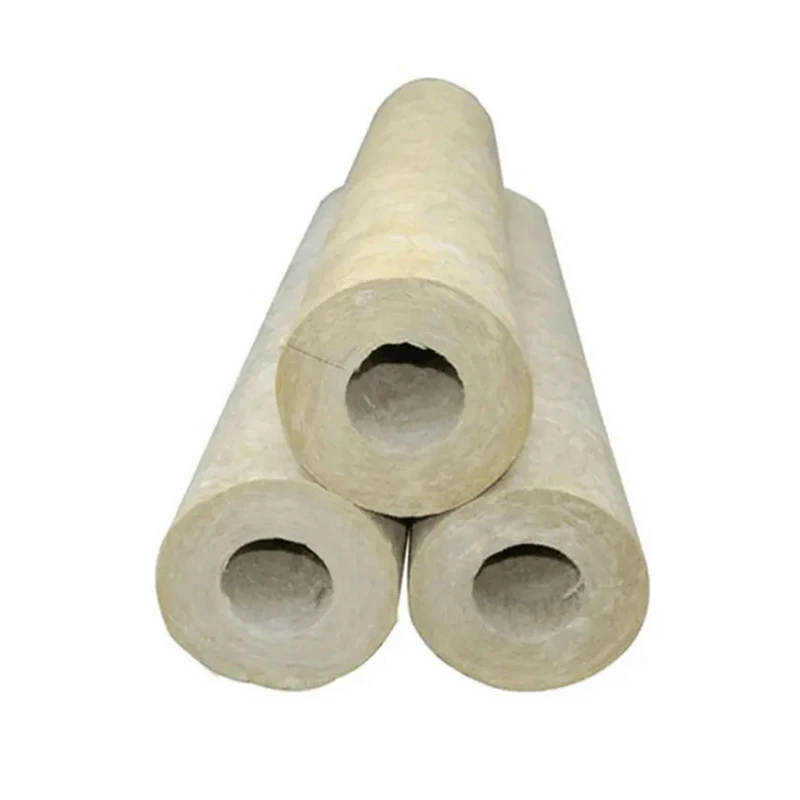
For industrial heating, utility and hot-process lines, mineral wool pipe insulation usually begins with preformed rock wool pipe sections when the actual pipe outside diameter, insulation thickness and service temperature fit the available range. Where size or geometry makes sections unsuitable, rock wool blankets provide flexible coverage. Wire-mesh rock wool blankets add retention on large or irregular surfaces.
Insulvora supplies all three forms for different parts of the same piping system.
Match Product Form to the Pipe Condition
Pipe diameter is only one factor in selecting mineral wool pipe insulation. Geometry, access and fixing requirements may call for a different product form.
| Pipe condition | Main check | Product direction |
|---|---|---|
| Regular straight pipe | Actual OD, insulation bore, thickness and service temperature | Rock Wool Pipe / Rock Wool Pipe Section |
| Size or shape unsuitable for preformed sections | Need for flexible coverage | Rock Wool Blanket |
| Large or irregular surface needing retention | Wrapping and fixing | Wire Mesh Rock Wool Blanket |
| Elbows, valves and flanges | Insulation continuity and maintenance access | Fabricated pieces or flexible rock wool |
| Outdoor piping | Weather and mechanical exposure | Rock wool with protective jacketing |
| Higher-temperature duty | Product-specific operating temperature limit | High Temperature Pipe Insulation |
Insulvora Rock Wool Product Range
Rock Wool Pipe / Pipe Section
Preformed pipe sections are available in 22–910 mm inside diameter and 20–150 mm thickness, with a maximum operating temperature of 600°C. Their cylindrical form suits regular straight runs; bends and fittings may require separate pieces.
Rock Wool Blanket
This flexible form is available in 25–200 mm thickness. Standard and high-temperature grades have maximum operating temperatures of 600°C and 750°C, respectively.
Wire Mesh Rock Wool Blanket
Galvanized wire mesh helps retain the flexible insulation layer on large or irregular surfaces. Available thickness is 30–100 mm, with standard and high-temperature grades rated to 600°C and 750°C, respectively. The mesh does not replace separate jacketing for weather or impact protection.
Confirm the Final Specification
For preformed mineral wool pipe insulation, the insulation inside diameter must match the pipe's actual outside diameter. A DN or NPS designation alone may require the pipe material or dimensional standard to establish the correct OD. See the Pipe Insulation Sizing Chart for this relationship.
Confirm both normal operating and maximum or design temperatures before choosing a grade. A 750°C blanket rating does not extend the 600°C limit of preformed pipe sections. Required thickness follows the project's heat-loss or external surface-temperature target. The Pipe Insulation Thickness Chart and Pipe Insulation Specification cover the next steps for thickness and ordering requirements.
Special Components, Maintenance, and Outer Protection
Elbows, branches, supports, instrument connections and tracing areas can interrupt straight-run insulation. Fabricated pieces or flexible rock wool can maintain continuity around these details. Valves and flanges also need inspection or removal access, so their insulation arrangements and quantities should be considered separately from straight-pipe lengths.
For outdoor mineral wool pipe insulation, protective jacketing must address joints, terminations and penetrations where water could enter the insulation. Mechanical exposure and maintenance needs also affect the outer protection. For more specific duties, see Steam Pipe Insulation, Process Piping Insulation and High Temperature Pipe Insulation.
Project Confirmation and Quotation
For a mineral wool pipe insulation quotation, share the actual pipe OD, normal and maximum or design temperatures, required thickness or thermal target, approximate quantities, and any fittings or outdoor exposure. Insulvora will review the requirements, confirm suitable rock wool product forms and specifications, and prepare a quotation.