Industrial Thermal Insulation
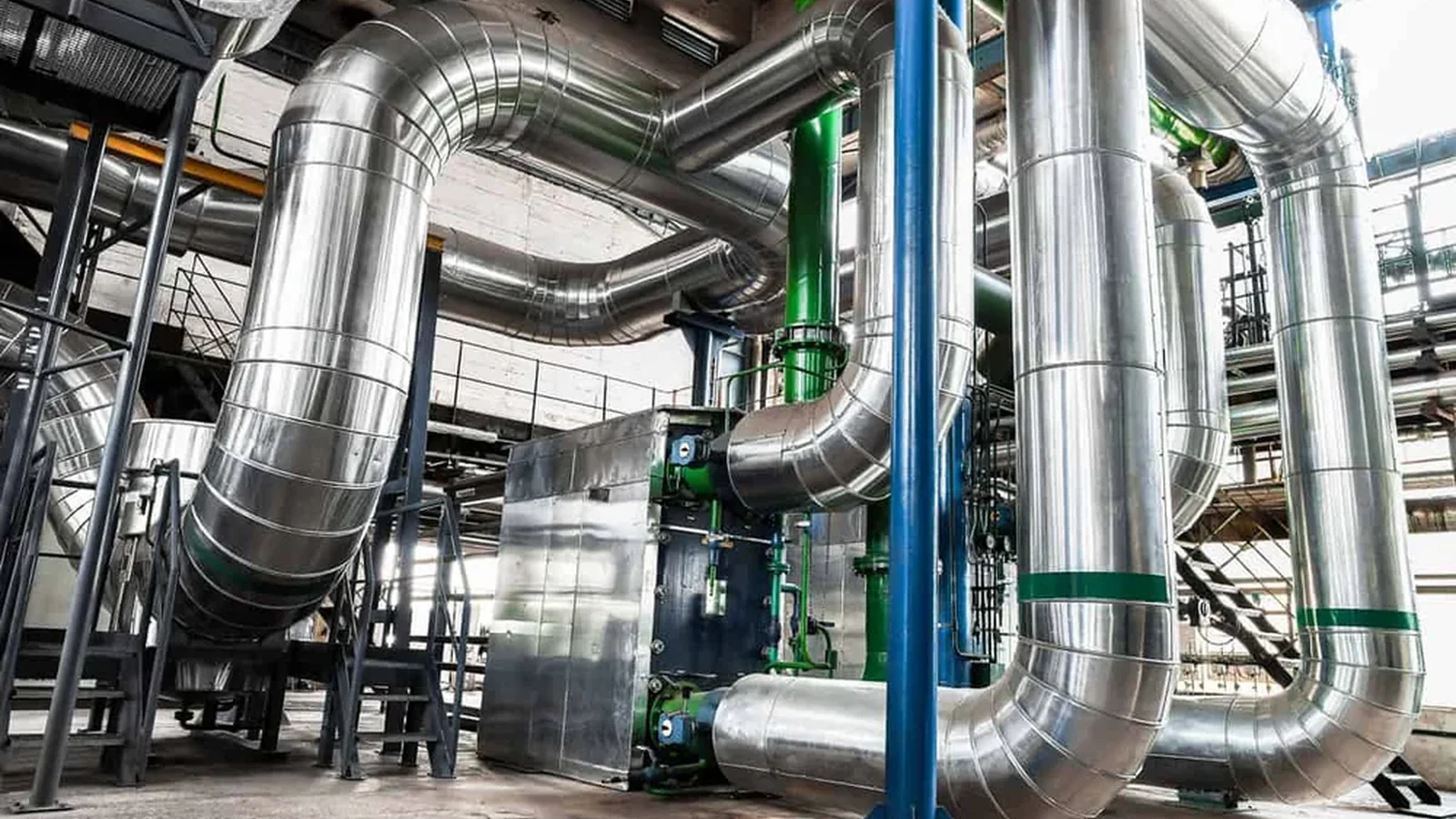
Industrial thermal insulation for piping, tanks, boilers and other heated equipment must account for operating temperature, heat-loss or surface-temperature targets, equipment geometry and exposure. Insulvora supplies rock wool pipe sections, blankets, wire-mesh blankets and boards for compatible hot-service applications.
Preformed sections suit straight pipe runs, blankets cover larger or irregular surfaces, and boards suit relatively flat areas. Final grades and configurations depend on service conditions. Cold piping where condensation control is critical requires suitable cold insulation and vapor protection rather than a hot-service assembly. See Industrial Pipe Insulation for piping-specific guidance.
Rock Wool Forms for Industrial Equipment
Start with equipment geometry and how the insulation can be fixed and retained. The following forms address different surfaces and installation conditions.
| Equipment or area | Product | Application |
|---|---|---|
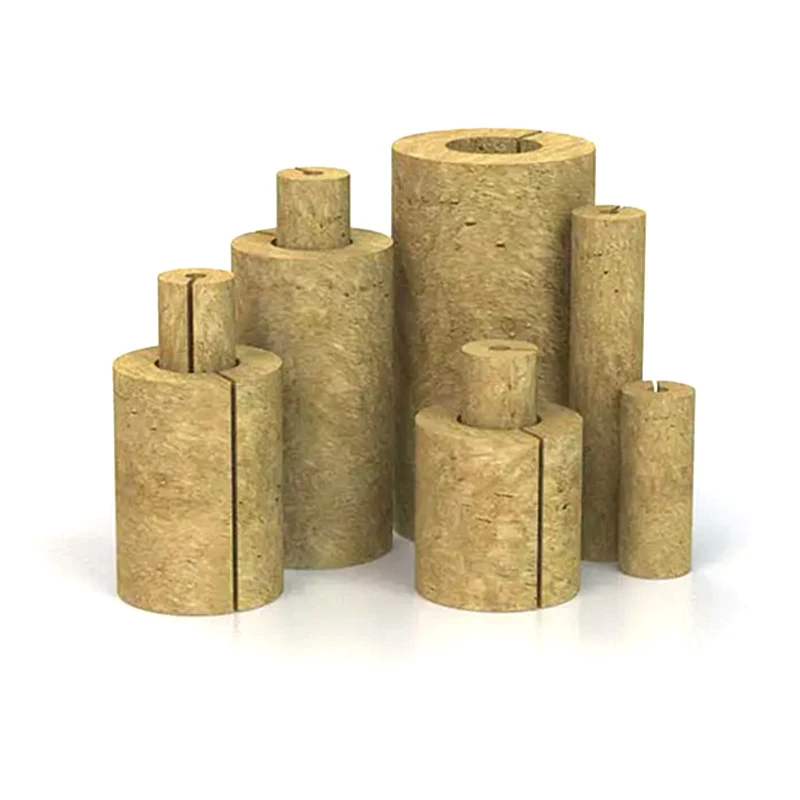
| Straight, cylindrical piping | Rock Wool Pipe Section | Preformed sections matched to pipe diameter for consistent coverage along regular runs. |
| Large-diameter pipes, curved tanks and irregular surfaces | Rock Wool Blanket | Flexible insulation that follows equipment contours where rigid sections are less practical. |
| Curved or vertical equipment requiring additional retention | Wire Mesh Rock Wool Blanket | Mesh-reinforced blankets that support tying and securing insulation around equipment. |
| Relatively flat equipment casings | Rock Wool Board | Form-stable boards for surfaces with suitable mechanical fixing. |
Rock wool pipe sections cover 22–910 mm internal diameter and 20–150 mm thickness. Industrial rock wool blankets cover 25–200 mm thickness, while wire-mesh blankets cover 30–100 mm. Available densities, temperature ratings and configurations differ by product grade.
Ordinary blankets suit surfaces where the fixing arrangement provides adequate retention; wire-mesh blankets are an alternative where additional reinforcement is needed. A tank may use blankets over its shell and preformed sections on connecting pipes. Joints and transitions must be fitted and secured to maintain continuous industrial thermal insulation.
Operating Temperatures and Final Specifications
Industrial thermal insulation specifications must distinguish a product grade's allowable service temperature from the thickness required to meet heat-loss or surface-temperature limits. A material may tolerate the operating temperature but, at the proposed thickness, still allow excessive heat loss or a higher outer surface temperature than the project permits. Process heat retention, energy-loss limits and personnel protection can therefore require different thicknesses.
Insulvora's rock wool blanket and wire-mesh blanket ranges include standard and high-temperature grades. Selected grades are listed for service up to 750°C. Standard rock wool pipe sections and boards have listed maximum operating temperatures of 600°C. These limits apply to specific grades, not the entire rock wool range.
For industrial thermal insulation projects, a specified thickness can be checked against available products. Where a heat-loss or surface-temperature target must be met, final thickness also depends on operating temperature, ambient conditions and the selected material's thermal performance. See Rock Wool Thickness and High Temperature Insulation Materials for further details.
System Protection and Maintenance Access
Outdoor industrial thermal insulation generally requires jacketing to protect the insulation from rain, impacts and other site conditions. Protection details must also allow access where equipment needs inspection or maintenance.
Poorly sealed jacket seams, terminations and penetrations can allow water into the system, affecting thermal performance and increasing corrosion concerns on susceptible metal surfaces. Where corrosion under insulation is a risk, substrate protection, sealing, drainage and inspection provisions must be considered together. Insulation alone does not prevent corrosion.
At supports, valves, flanges, instrument connections and access doors, insulation must maintain coverage without obstructing operation or maintenance. Frequently serviced components may need removable details that can be reinstated without disturbing adjacent insulation or leaving gaps.
Insulation Applications by Equipment Type
For process piping, industrial thermal insulation must accommodate regular pipe runs as well as elbows, valves, flanges and instrument branches. Changes in geometry need suitable transitions between insulation forms. See Process Piping Insulation; refinery-specific service and protection requirements are addressed under Refinery Insulation.
Industrial Tank Insulation addresses broad curved shells, tank roofs, supports and attachments. Large coverage areas need reliable blanket retention, with attention to joints and weather protection around structural connections.
Boiler Insulation involves equipment casings, access doors, burner-adjacent areas and connected piping. Relatively flat casings may suit boards, while areas with different temperatures or maintenance needs require separately matched product forms and fixing details.
Discuss Your Industrial Insulation Project
For an industrial thermal insulation inquiry, provide the equipment type and dimensions (including pipe diameter where relevant), operating temperature, specified thickness or thermal target, fixing requirements, required quantity, configuration and destination. Insulvora can review these details against available rock wool products, confirm suitable options and discuss project pricing.