
Mechanical Pipe Insulation for Building-Service Systems
Mechanical pipe insulation for building services starts with the duty of the pipe, not a single material specification. Chilled-water, domestic cold-water, heating-water, and domestic hot-water lines can operate in the same plant room yet call for different approaches to condensation control, heat gain, heat loss, and service temperature.
Insulvora’s mechanical pipe insulation offering includes closed-cell NBR/PVC elastomeric tubes, preformed glass wool pipe sections, and preformed rock wool pipe sections. The initial route depends on pipe service and operating temperature; actual pipe outside diameter (OD), insulation thickness, humidity, exposure, and project requirements define the final configuration.
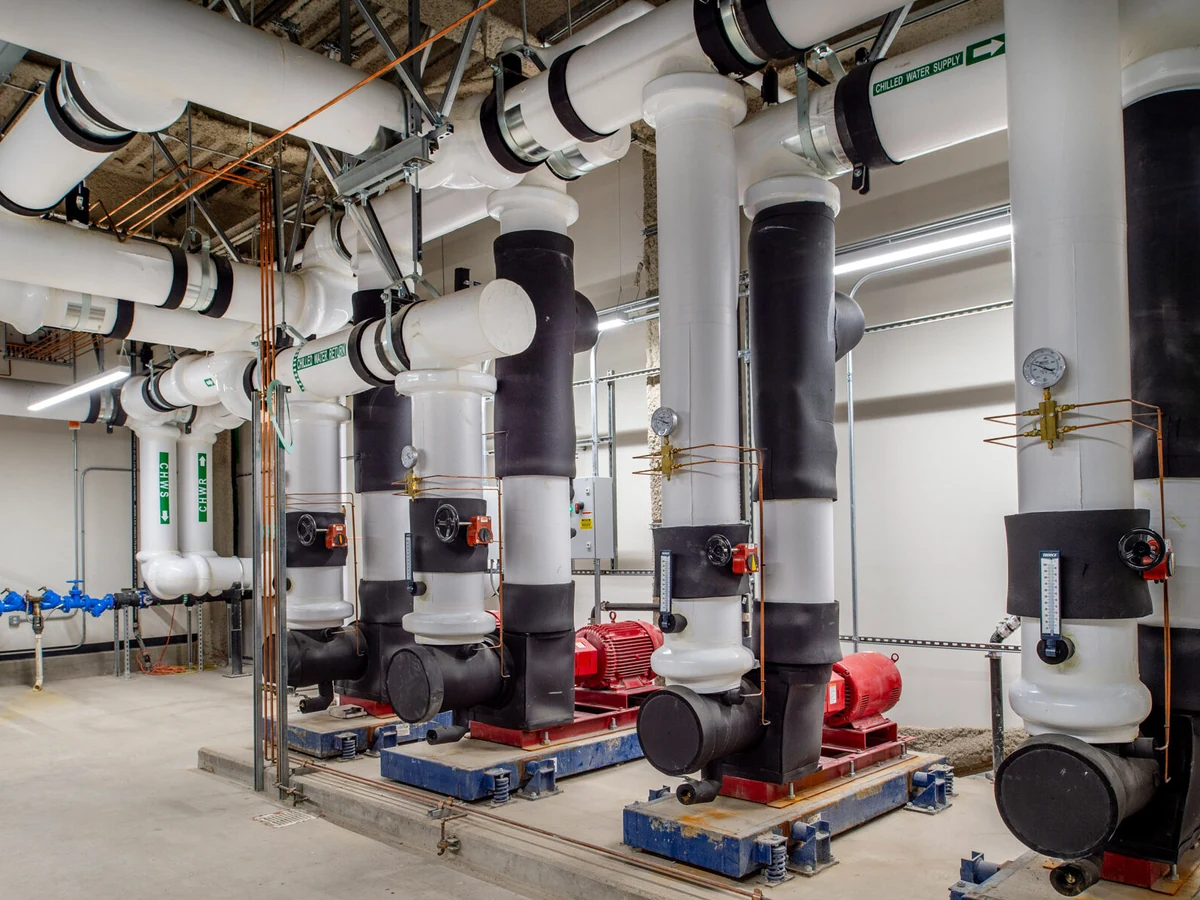
Start with the Pipe Service
| Pipe Service | First Route to Review |
|---|---|
| Chilled water | Closed-cell elastomeric pipe insulation for heat-gain, condensation, and moisture control. |
| Domestic cold water | Closed-cell elastomeric insulation where the pipe surface may fall below the local dew point. |
| Heating water | Elastomeric or mineral-fiber pipe insulation, subject to continuous operating temperature and project requirements. |
| Domestic hot water | Check operating temperature before choosing elastomeric, glass wool, or rock wool pipe insulation. |
| Outdoor mechanical piping | Select insulation for the pipe duty first, then specify protection against weather, sunlight, and mechanical exposure. |
| Industrial or process piping | Use the industrial or process-piping route when conditions extend beyond normal building services. |
Chilled-water systems frequently operate below ambient temperature. In humid plant rooms and non-conditioned spaces, mechanical pipe insulation should be selected with attention to water temperature, ambient temperature and humidity, pipe OD, and required thickness. Domestic cold-water lines may also need condensation control where the pipe surface falls below the local dew point. A dry conditioned space and a humid service area can require different treatment, even for the same water line.
For heating-water and domestic hot-water systems, continuous operating temperature is the primary check in mechanical pipe insulation selection. Some current Insulvora NBR/PVC pipe-insulation series list a service-temperature range of -40°C to +105°C; this must be checked for the particular product rather than assumed for every series. Where the selected elastomeric product is suitable, it can remain a hot-water option. Higher temperatures, specified mineral-fiber systems, or project-specific construction requirements can instead lead to glass wool or rock wool pipe sections.
Outdoor exposure does not change whether a line requires heat-loss control, heat-gain control, or protection against condensation. It adds a separate requirement for external protection appropriate to weather, sunlight, and mechanical contact.
Match Pipe Conditions to Available Product Forms
Closed-Cell Elastomeric Pipe Insulation
For chilled-water mechanical pipe insulation, closed-cell NBR/PVC is the first product form to consider where condensation and moisture control are important. It can also be considered for other mechanical piping within the verified operating range of the selected series.
Insulvora supplies standard preformed tubes, slit tubes, and foil-faced tube options. Current product data includes common insulation thicknesses of 15–50 mm. Tube inside diameter must match actual pipe OD; for mixed-size projects, list each pipe size, insulation thickness, and required quantity separately.
Glass Wool Pipe Insulation
For mechanical pipe insulation on heating-water, domestic hot-water, and other suitable services, preformed glass wool pipe sections are available where the product’s operating range and project requirements align. Current product data records inside diameters of 22–720 mm.
If glass wool is used on below-ambient piping, the design must address vapor control, joint treatment, and moisture-control continuity. These requirements apply to the full insulation assembly, not only to straight pipe sections.
Rock Wool Pipe Insulation
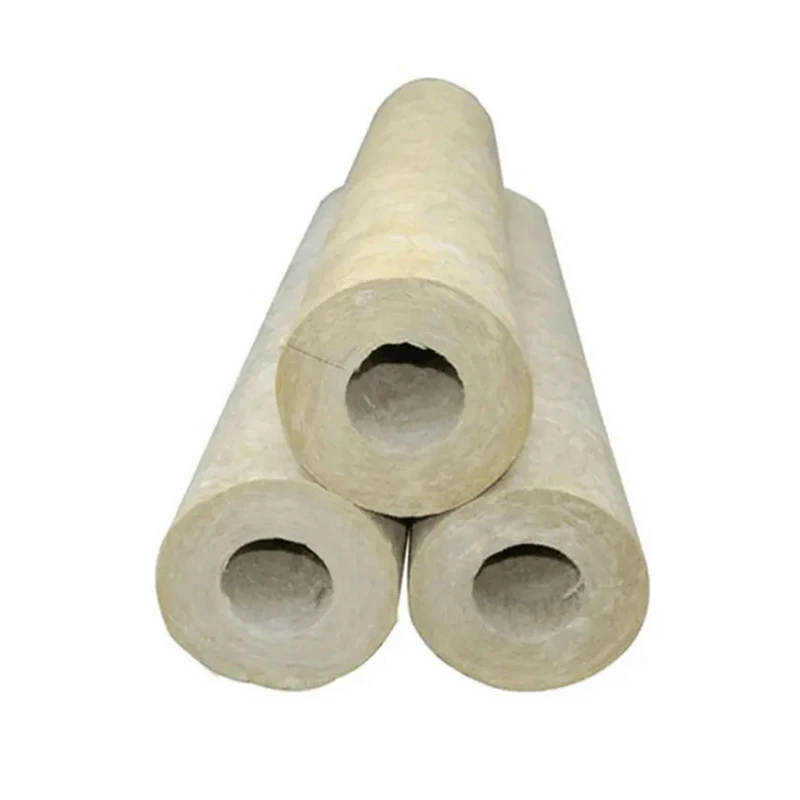
Preformed rock wool pipe sections are available for heating-water, domestic hot-water, and other mechanical services that call for mineral-fiber insulation. Current product data records inside diameters of 22–910 mm.
If a facing or cladding is specified, identify it alongside the relevant pipe-section size and thickness in the project requirements.
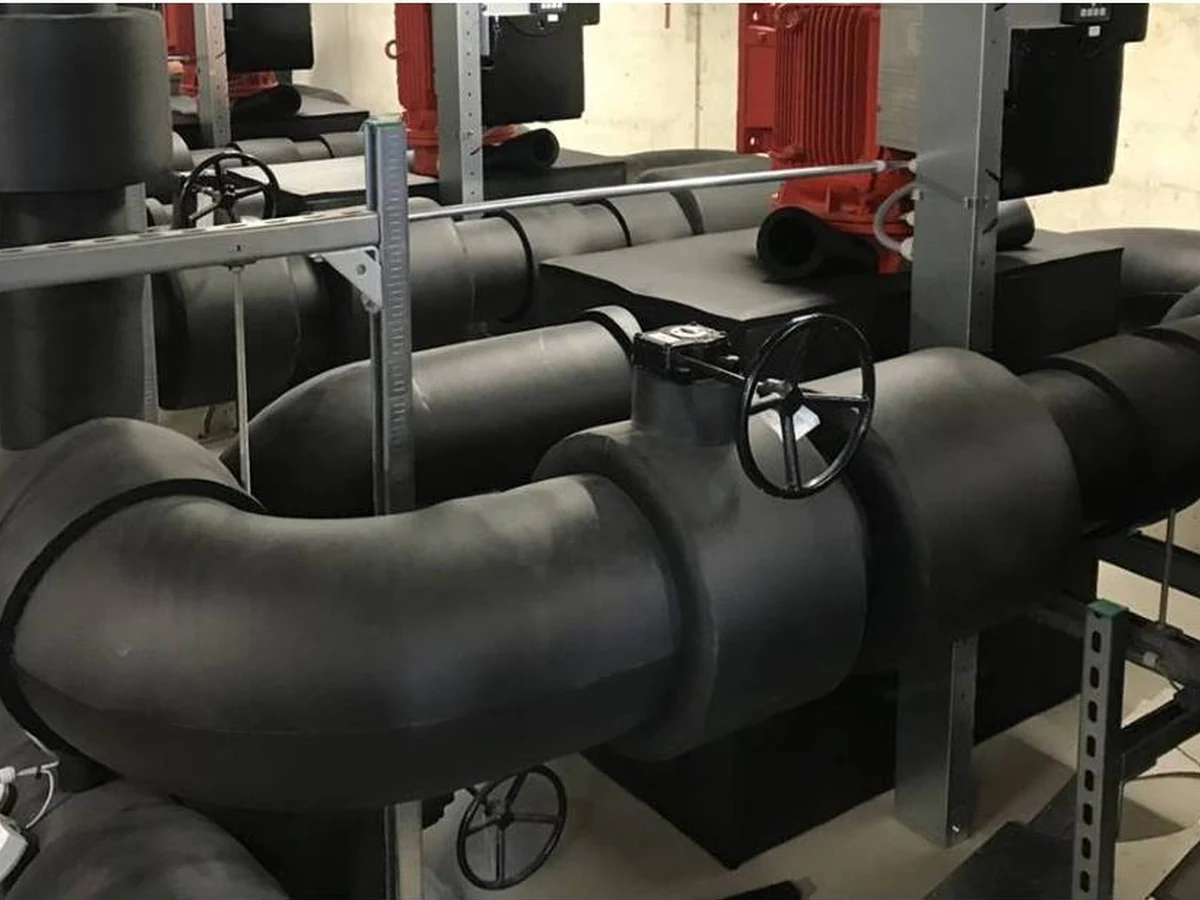
Fittings, Supports, and Equipment Connections Are Part of the Insulation Scope
Mechanical pipe insulation must account for more than straight pipe runs. Elbows, tees, valves, flanges, strainers, supports, and connections to pumps, heat exchangers, and other equipment are part of the installed system.
On chilled-water and other condensation-sensitive lines, gaps at joints, valves, supports, or equipment interfaces may expose cold surfaces to humid air. Moisture-control and thermal continuity need to extend across these locations. Pipe supports deserve particular attention: the support detail should avoid unnecessary thermal bridges and paths for moisture ingress.
Heating-water and domestic hot-water systems also need continuous insulation coverage, but valves must remain operable, flanges removable, and equipment accessible for maintenance. In congested plant rooms, insulation thickness, pipe spacing, support arrangements, and service clearances should be considered together.
Where fabricated fitting pieces are required for elbows, tees, valves, or flanges, these can be reviewed separately. For procurement, the mechanical pipe insulation scope should identify straight-run quantities and the fittings, supports, and equipment connections requiring coverage, rather than treating straight-pipe length as the entire requirement.
Continue by Pipe Duty or Project Stage
Chilled Water Pipe Insulation
For chilled-water circuits requiring below-ambient operation, humidity, and condensation-control details to be resolved.
Cold Water Pipe Insulation
For domestic cold-water lines where water temperature, local dew point, and room conditions affect the selection.
Pipe Condensation Insulation
For projects centered on surface condensation, vapor ingress, and moisture-control continuity.
Hot Water Pipe Insulation
For heating-water and domestic hot-water lines where continuous temperature and heat-loss requirements determine the material route.
HVAC & Pipe Insulation
For projects with a defined HVAC application that need to review available pipe-insulation product forms.
Pipe Insulation Specification
For organizing pipe size, insulation thickness, temperature, facing, and other specified requirements before procurement.
Industrial Pipe Insulation
For industrial production piping assessed against its actual service temperature and operating conditions.
Process Piping Insulation
For process-media piping where the medium, temperature, and operating conditions set a separate selection basis.
Send Your Pipe Requirements
For a mechanical pipe insulation inquiry, share the pipe service, continuous operating temperature, actual pipe OD or size schedule, required insulation thickness, installation location, and estimated quantity. Include any specified facing or cladding and any fittings, supports, or equipment connections that need coverage. Insulvora can review suitable product forms and confirm the details required for a project or bulk-supply quotation.